MAIN ARTICLE
When proxy voting concentrates power
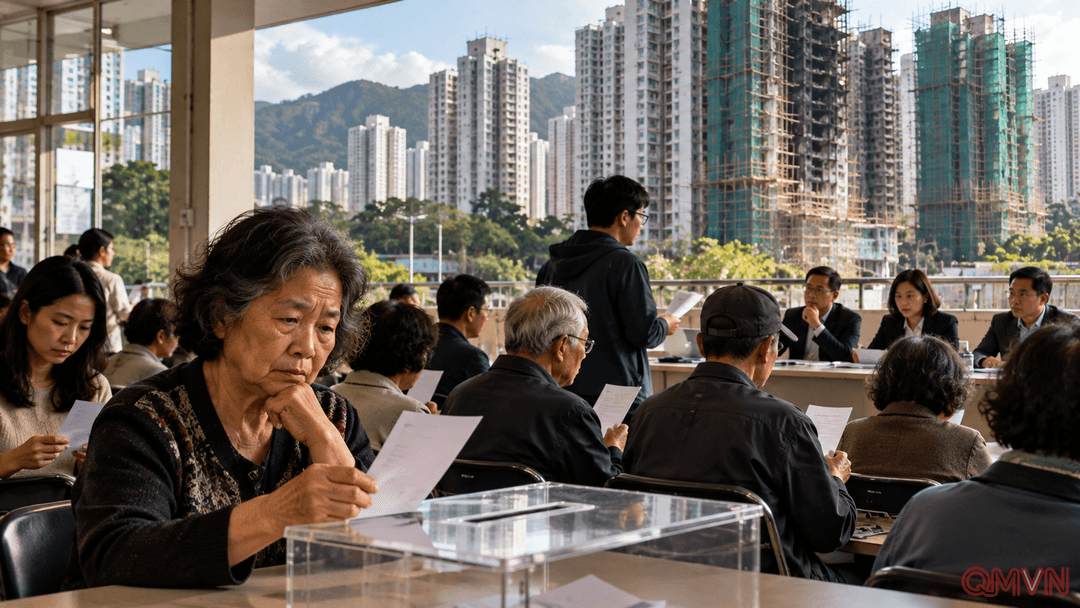
Selecting a contractor for a major estate overhaul can put huge sums of owners’ money and residents’ safety at stake. Yet many residents cannot attend a meeting, leaving representatives to cast ballots on their behalf. When proxy documents accumulate in a few hands, an apparently democratic vote may cease to reflect meaningful individual scrutiny. That is why the Bar Association supports statutory limits on proxy holdings but questions the proposal to confine eligible representatives to family members and other owners in the same building.
Under the government’s proposal, an individual in a building of no more than 50 flats could carry just one proxy. Larger buildings would face a cap of 20 proxies or less than 2% of all flats, whichever is lower. Maurellet has also suggested scaling the cap by contract value, with particularly strong safeguards for costly or safety-critical work. Numerical limits could make captured votes harder to assemble, but they must sit alongside ways for legitimate absentee owners to participate.
Transparency must precede procurement decisions
The association has floated deadlines requiring proxy instruments to be submitted 96 hours before a meeting and disclosed 48 hours ahead. Advance notice would give owners a chance to challenge suspicious authorisations before an irreversible procurement decision.