MAIN CONTENT
A normal shift becomes a disaster
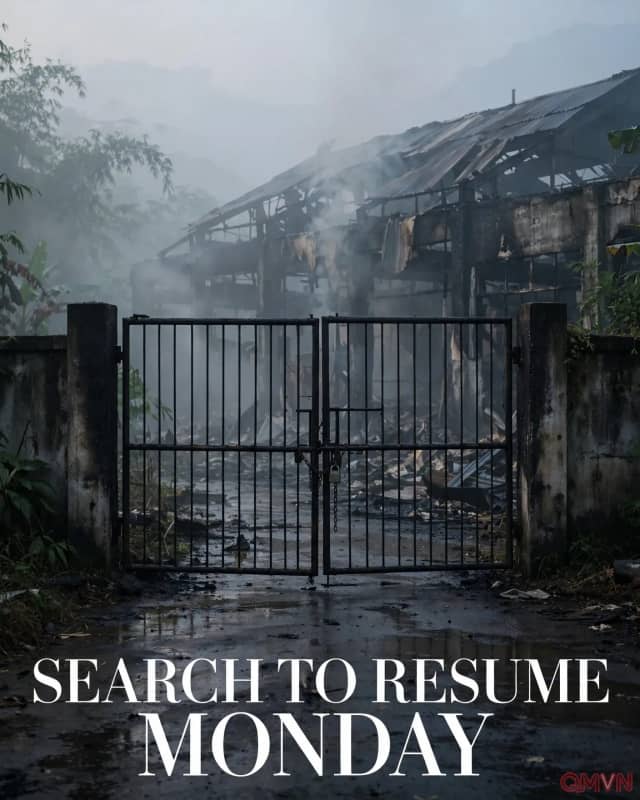
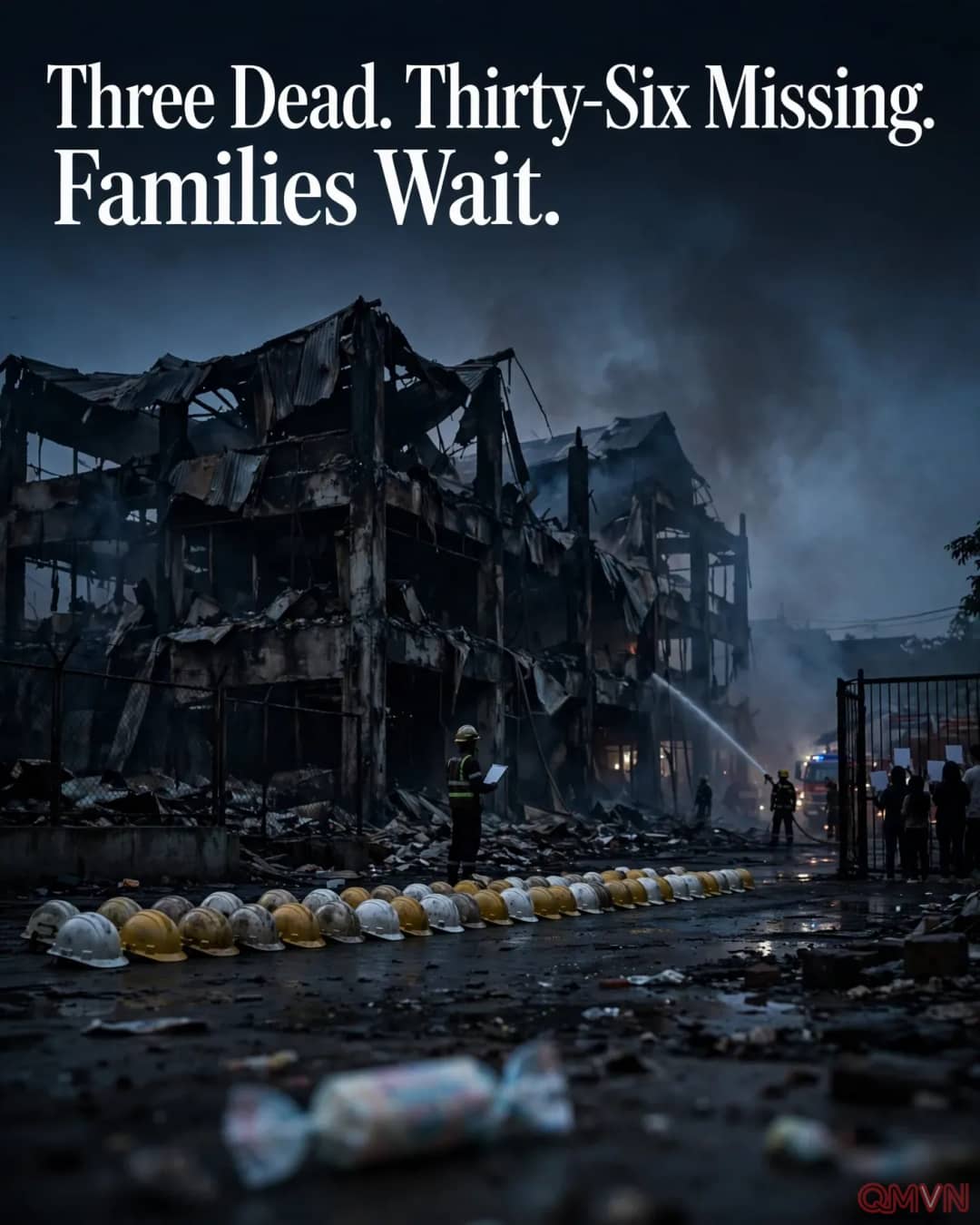
The blaze took hold at about 5 p.m. local time on November 21, engulfing the factory operated by PT Fonusa Agung Mulia in the Serang regency of Banten. The manufacturer makes Milkita confectionery products and is part of the United Family Food group. Television images showed smoke pouring from the structure and roofing twisted by heat. What had been a place of routine production became an unsafe, difficult-to-enter rescue site within hours.
A factory representative initially described approximately 300 people on the shift. In early accounts, 54 workers were listed as missing and 15 as rescued, including four injured. These figures were preliminary snapshots rather than a stable accounting: the company later said that, among 65 workers under particular review, 24 had returned home, four were being treated, 29 were missing and the status of eight was unconfirmed.
The changing numbers illustrate an essential distinction in disaster reporting. An employee temporarily unreachable may later be found safe, while recoveries inside a badly burned building can take time to identify. No responsible assessment should equate a count of body bags with an independently established number of deaths.
Searching where fire has weakened the building
Fire crews battled the flames for more than twelve hours and continued cooling the structure on Sunday. Serang fire official Tubagus Mahfud said collapsed sections, inadequate lighting and remaining hot spots prevented unrestricted entry.
Firefighters also worried that materials inside the factory could reignite. About 15 fire engines, assisted by water cannons, were deployed during the emergency response.
Police, military personnel, the Indonesian Red Cross, volunteers and search-and-rescue teams worked alongside firefighters. Crews had to balance speed with the danger of sending rescuers into unsupported or partially collapsed spaces. The search was suspended overnight, with Banten police chief Hendra Kurniawan saying operations were expected to resume on Monday morning.
The fire's origin has not been established. Local media quoted survivors as saying flames appeared near a third-floor cooling unit, but that account is not a forensic conclusion. Investigators will need to examine electrical equipment, combustible inventory, emergency exits and the sequence of alarms before assigning a cause.
For families, figures cannot replace names
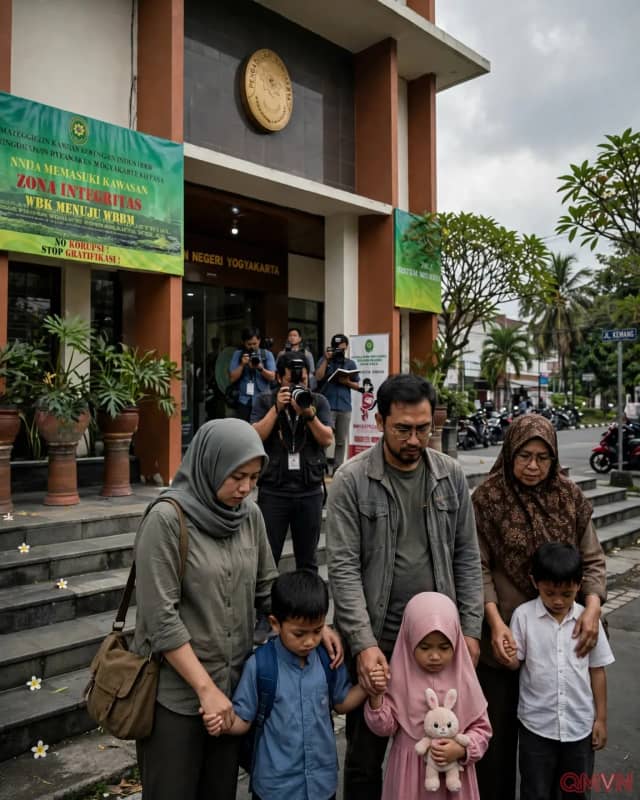
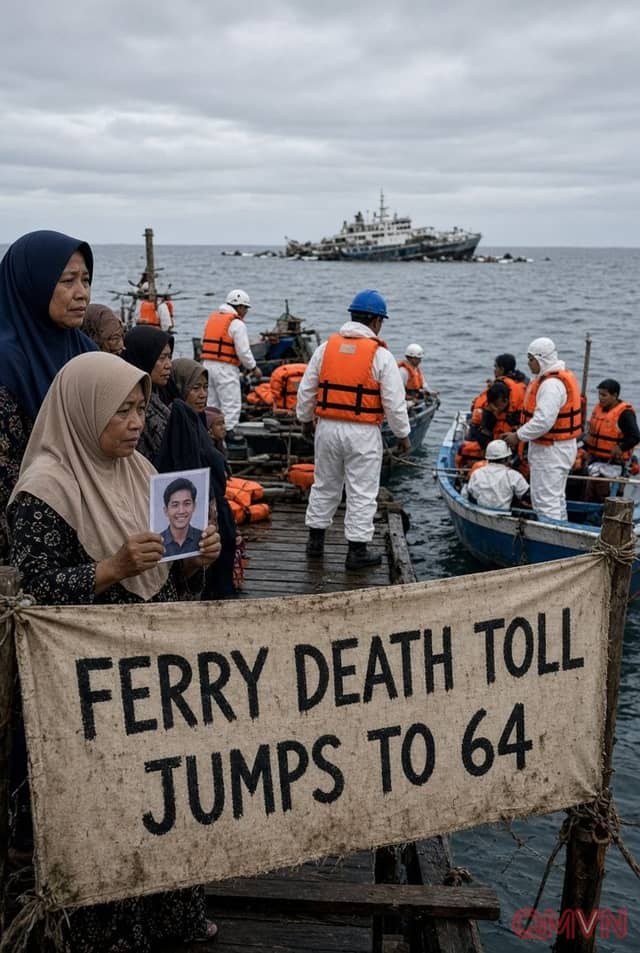
Relatives gathered outside the damaged complex, hoping for a phone call or a reliable list of survivors. Reuters reported that police had removed 24 body bags by Sunday, but authorities cautioned that the contents might include partial remains and could not be counted as 24 identified victims. Earlier reports of at least three deaths should therefore be understood as an initial confirmed figure, not the event's definitive outcome.
Police disaster-victim identification official Wahyu Hidayati said the condition of recovered remains made visual recognition impossible in some cases. Teams were seeking DNA from relatives and personal belongings, a procedure potentially lasting two to three weeks. Accurate names, carefully checked lists and clear communication are as vital to grieving families as the physical search itself.
The uncertainty should not obscure those who survived with injuries or the people whose locations remain unknown. Nor should it invite premature accusations: the evidence required to explain how a fire started is different from the evidence required to establish whether evacuation procedures and safety oversight were adequate.
An industrial tragedy with lessons beyond Banten
The case highlights the practical importance of knowing who is inside a workplace at any given hour. Shift registers, visitor logs, assembly-point checks and systems for contacting employees can shorten the confusion that follows an emergency. They also help rescue commanders decide where to search without risking personnel unnecessarily.
Investigators and regulators may ultimately scrutinize fire suppression, escape routes, compartmentalization, equipment maintenance and staff drills. Those are questions to test, not violations that can yet be asserted in this specific factory. Industry-wide conversations about safety are more useful when grounded in verified findings rather than speculation.
As identification and search work continue, the most meaningful measure of public accountability will be whether authorities publish an evidence-based timeline, provide sustained support to affected families and explain which protections will be strengthened. The immediate task remains finding people and safeguarding the rescuers trying to reach them.