A “second capital” so Tokyo does not go dark
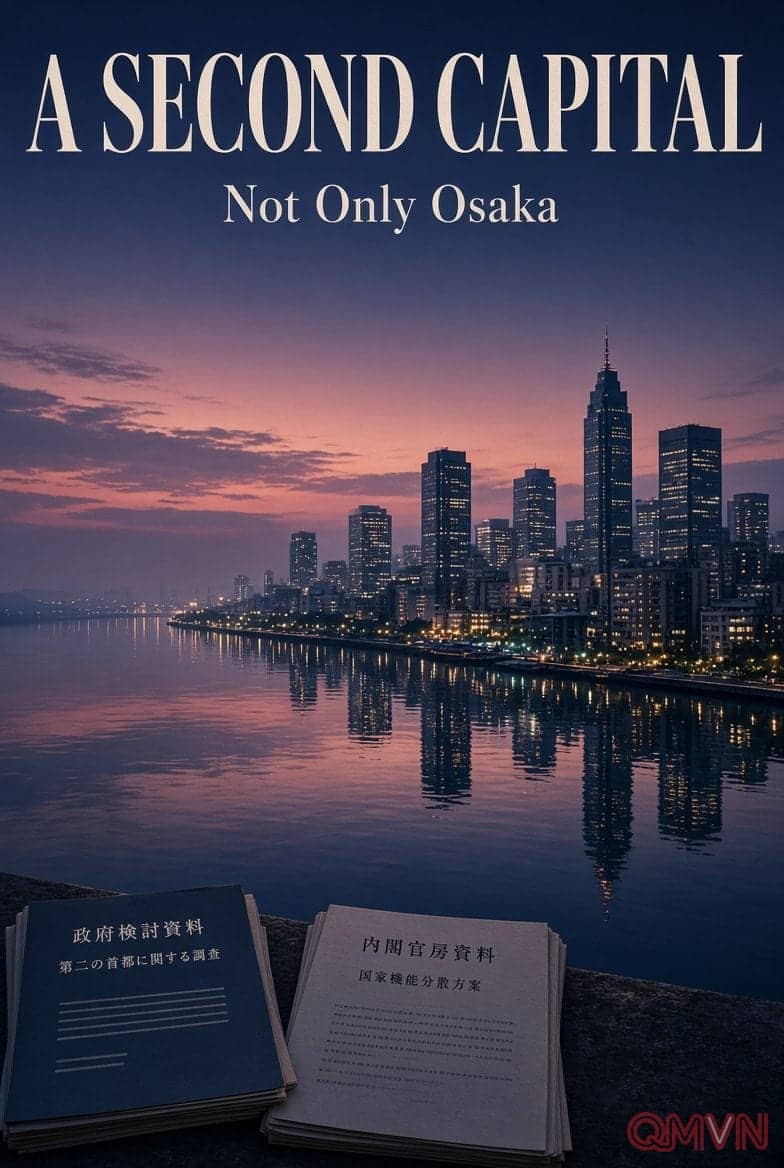
Japan’s second-capital concept does not mean permanently moving Tokyo out of its role as capital. The new law aims to create a regional backup hub able to assume part of the central government’s core functions if Tokyo is paralysed by a large disaster, terrorism or another emergency. At the same time, the policy seeks to reduce excessive economic concentration in Tokyo and encourage regional growth poles.
The concern has a practical basis. Tokyo concentrates central ministries, finance, media, business, digital infrastructure and population. A major earthquake in the capital region or another severe shock could disrupt national decision-making, supply chains and essential services. Placing backup capability somewhere unlikely to be affected by the same disaster is one way to strengthen national resilience. Yet backup is not simply a new building. It requires data systems, communications, trained personnel, regular exercises and authority defined in advance.
A backup capital is valuable only when it can operate before a crisis forces the country to need it.