MAIN CONTENT
Why are rice prices rising in India despite weather and demand pressures?
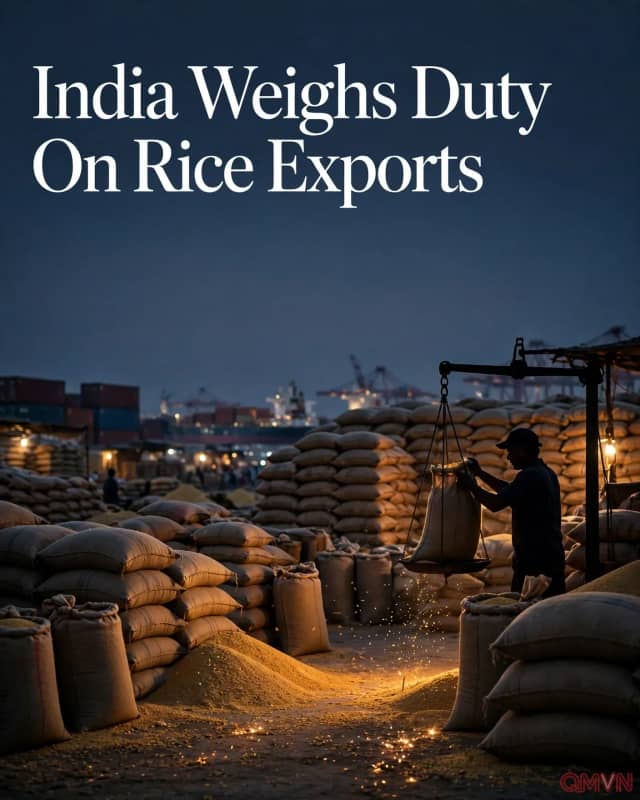
Rice prices are climbing as overall production is set to fall for the first time in a decade—marking the steepest drop in nearly 20 years—after the lowest monsoon rainfall in more than a decade hit crops during the critical grain-maturity stage and reduced yields. The impact has been uneven, with southern states bearing the brunt of the rainfall deficit and suffering sharp hits to premium non-basmati varieties such as Seeraga Samba, Sona Masoori, HMT, and BPT consumed widely in the south.
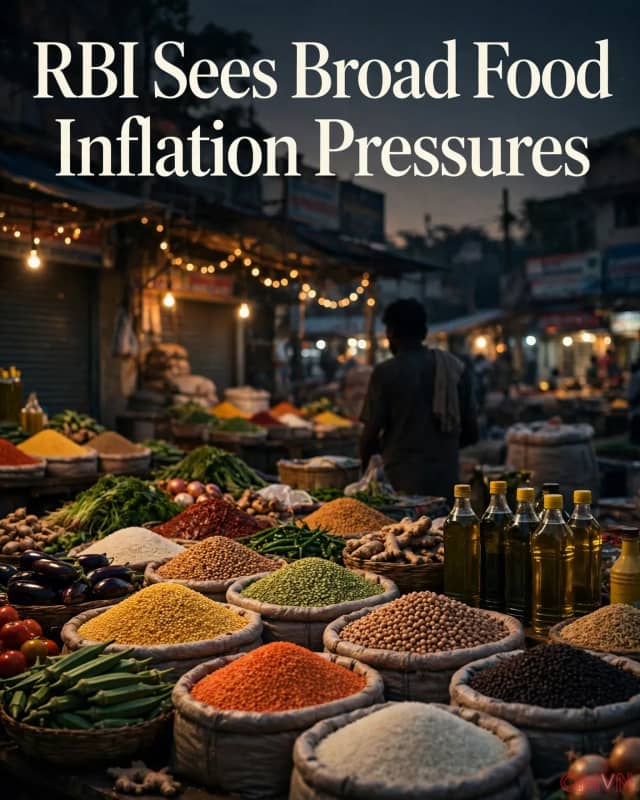
Prices of some of these southern grades have nearly doubled over the past year, lifting the national average up 12.5% in October year-on-year while varieties favored elsewhere saw more modest gains. In addition, broken rice faces stronger demand from poultry and cattle feed manufacturers as well as ethanol producers—alongside traditional food processing—as record-high corn prices amid a production shortfall and limits on diverting sugar to ethanol push buyers toward alternatives.
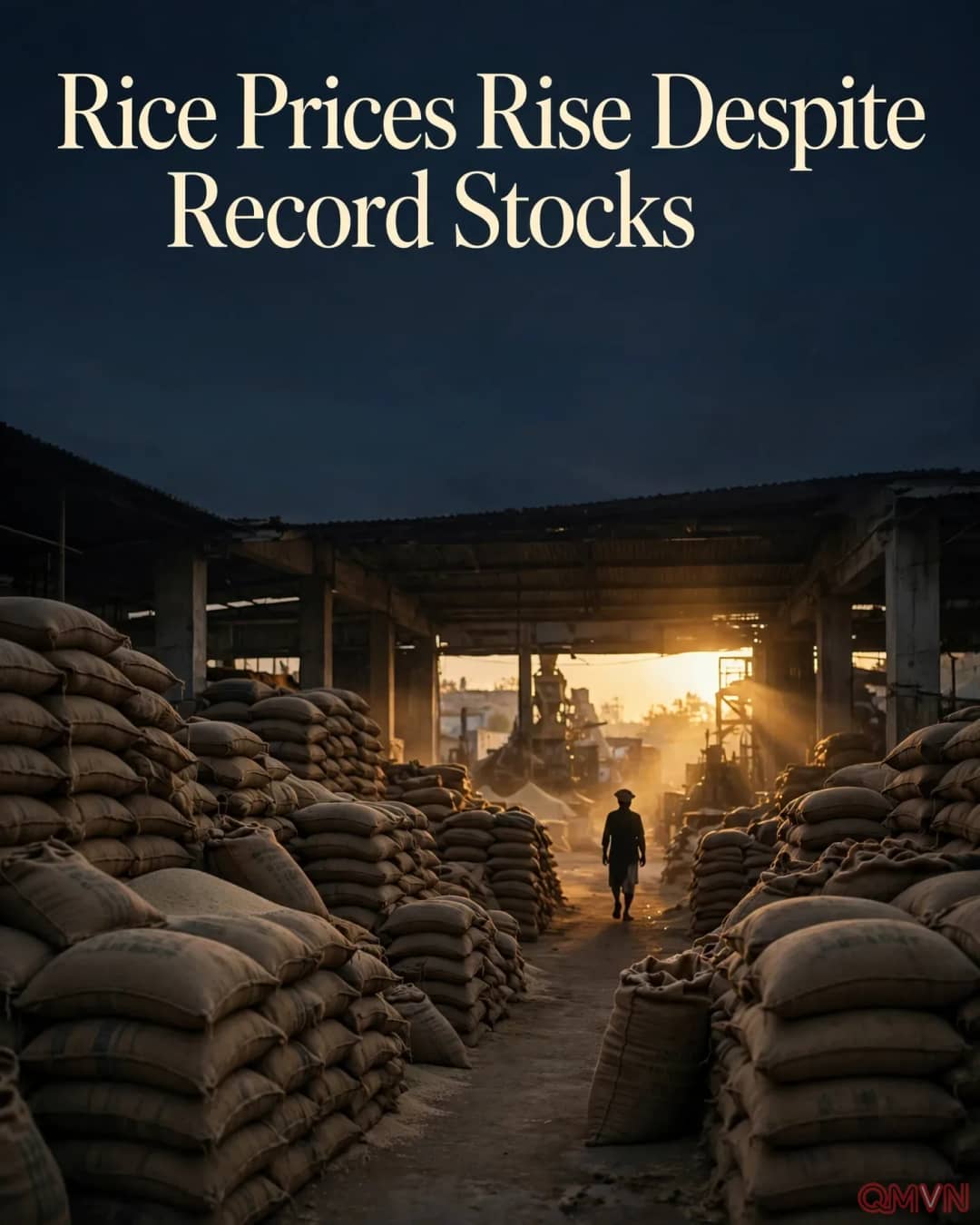
Why aren't record rice stocks taming prices?
India entered the new rice season on October 1, 2026, with record rice stocks of 55.47 million metric tons, more than four times the government-set buffer requirement. However, B.V.