MAIN CONTENT
A negotiation that has advanced far but has little room left
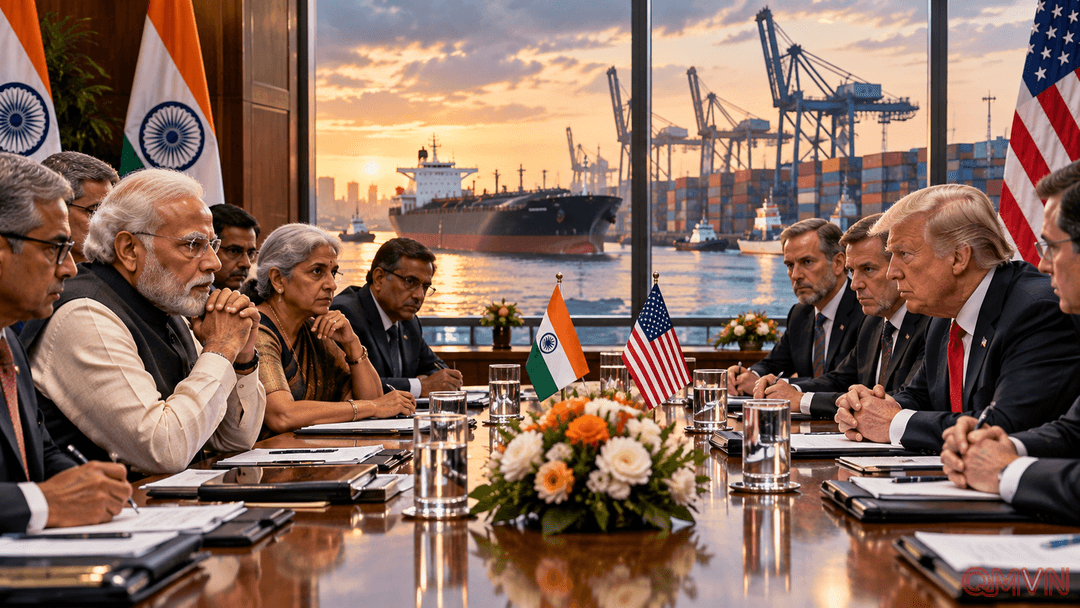
Speaking on October 5, Finance Minister Nirmala Sitharaman described the bilateral process as having reached a “plateau”: both sides remain engaged, yet every additional concession now runs into domestic political and economic limits. The phrase matters because it does not mean the negotiations have failed. Rather, it suggests the easier compromises may already have been explored, leaving the most sensitive questions — market access, tariffs and the trade balance — at the center of the remaining bargaining.
The United States views its goods trade deficit with India as something that should be reduced, while New Delhi argues that the economic relationship cannot be judged by the merchandise balance alone. Indian official data continue to show the United States as India’s largest goods export destination. That makes any additional tariff threat important for labor-intensive industries such as textiles, leather, gems, chemicals and parts of manufacturing. For India, a deal is therefore valuable only if better access to the U.S. market is large enough to justify politically costly concessions at home.