MAIN ARTICLE
A new parliament without a governing majority
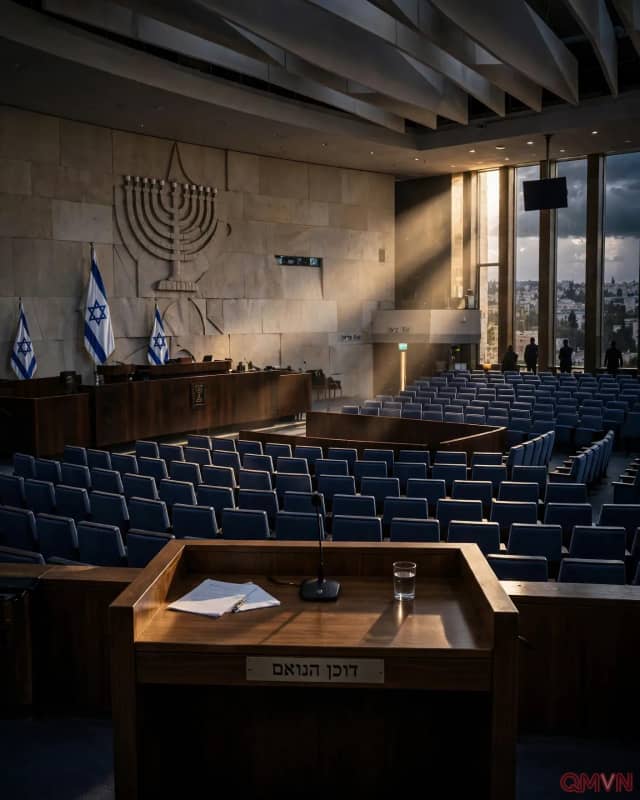
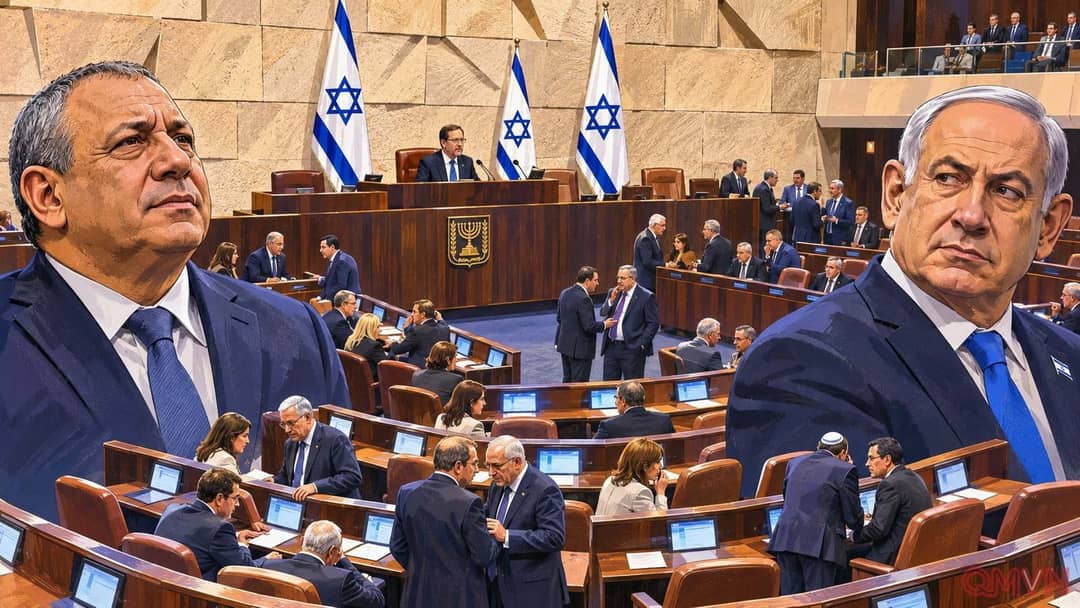
The October 27 election produced a result that is both decisive and inconclusive. Netanyahu’s Likud-led camp won 53 of the Knesset’s 120 seats, while the opposition alliance associated with Eisenkot holds 48. Arab-led parties hold another 19 seats and oppose Netanyahu. None of those groupings can independently reach the 61 votes needed to install a new government.
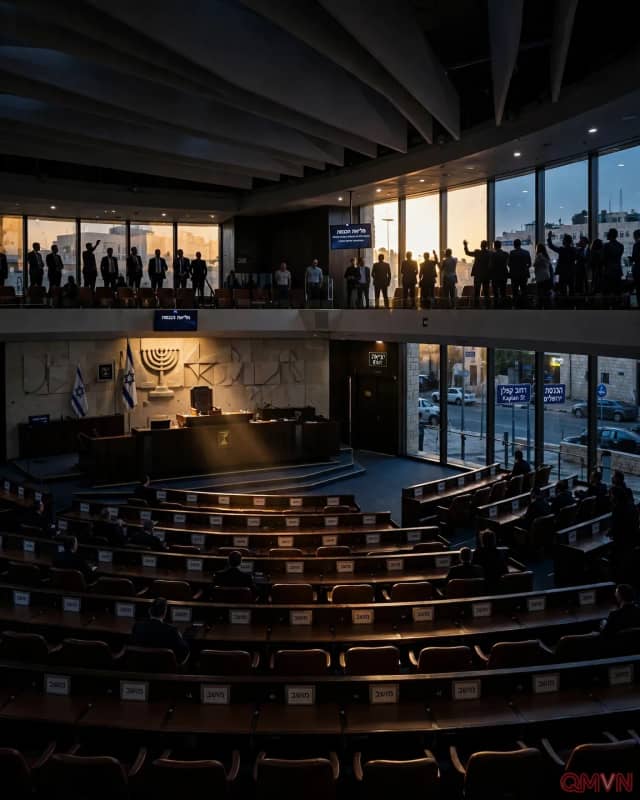
At the swearing-in, President Herzog urged legislators to avoid another election. He had formally assigned Eisenkot the government-building mandate on November 8 after consultations in which factions representing 67 seats recommended him. Parties representing 46 seats recommended Netanyahu, and a seven-seat faction made no recommendation. Those numbers explain the president’s choice but do not eliminate the obstacles to a durable coalition.
Coalition arithmetic meets political red lines
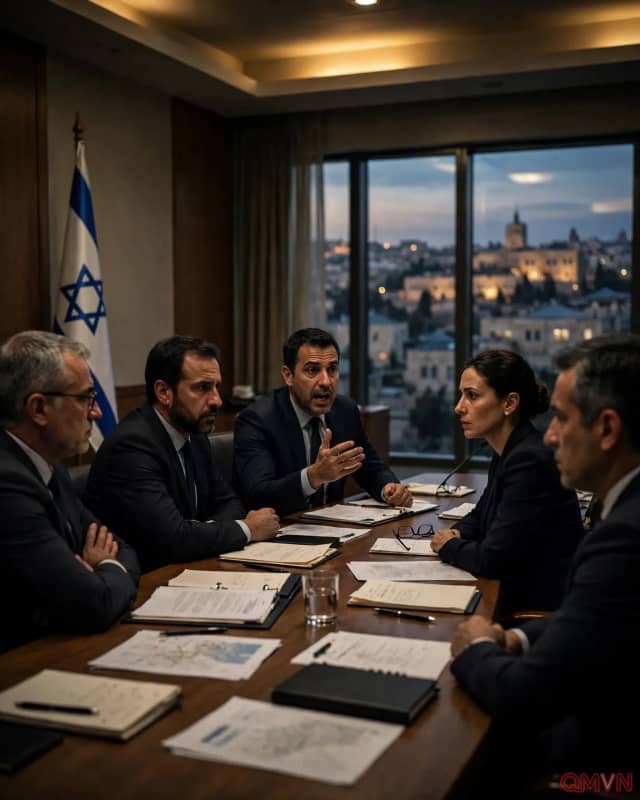
Eisenkot, a former chief of Israel’s armed forces, must bring parties with sharply different priorities into a common agreement on security, public spending and state institutions. He could seek support from Arab lawmakers, court religious parties, or explore a wider unity arrangement.