MAIN ARTICLE
A journey interrupted by violence
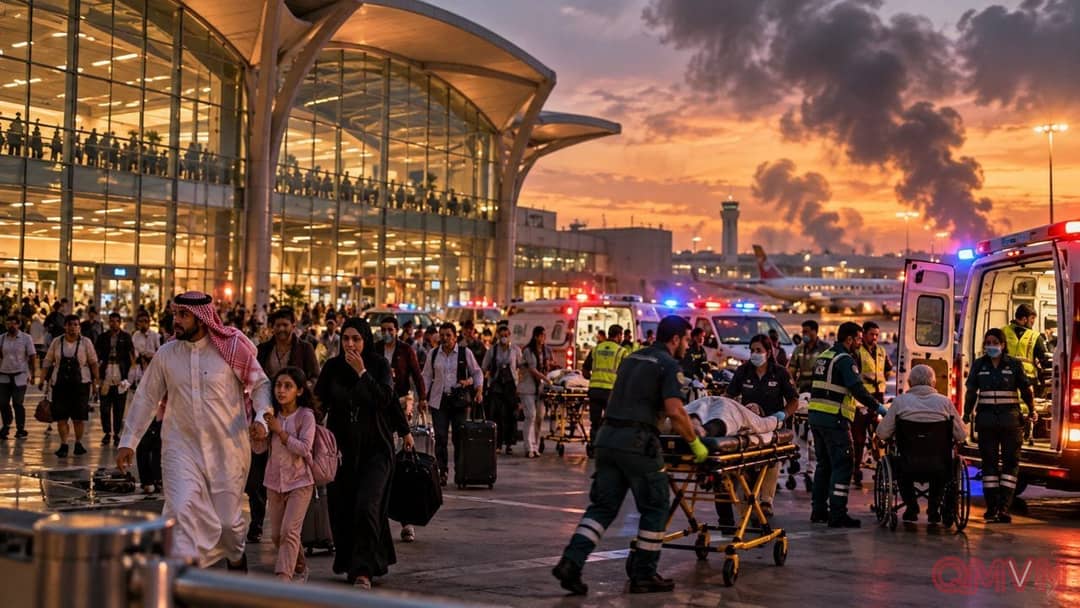
International airports exist to bring distant places closer together. On October 10, the routine movement of passengers through King Khalid International Airport gave way to a desperate emergency response. Saudi authorities reported 12 deaths and 309 injuries, with some patients in critical condition. People familiar with the response told Reuters that ambulances and helicopters transported the injured to hospitals as medical teams struggled with the volume of casualties.
The dead included four Saudis, two Bangladeshis and one citizen each of the United States, Jordan, Palestine, Syria, Sudan and Egypt, according to the breakdown reported by Reuters from Saudi aviation officials. The range of nationalities speaks to the reach of a major international hub. Witnesses described seeing injured people lying inside the airport. One traveler told Reuters that something crossed the sky before part of a ceiling near a departure gate collapsed. These accounts convey the suddenness of the attack, though a full technical reconstruction remains necessary.
The warning that never came
Reuters reported that Saturday’s attack took place without an alert from Saudi Arabia’s threat-warning system. Two earlier strikes against the same airport during the week had already killed four people and badly damaged a parked commercial aircraft. Together, the incidents have intensified scrutiny of surveillance, interception, public warning and the physical resilience of crowded airport buildings. No single technology can eliminate every risk, but an effective warning can give people crucial moments to seek shelter.