MAIN STORY
A hidden device in an executive room
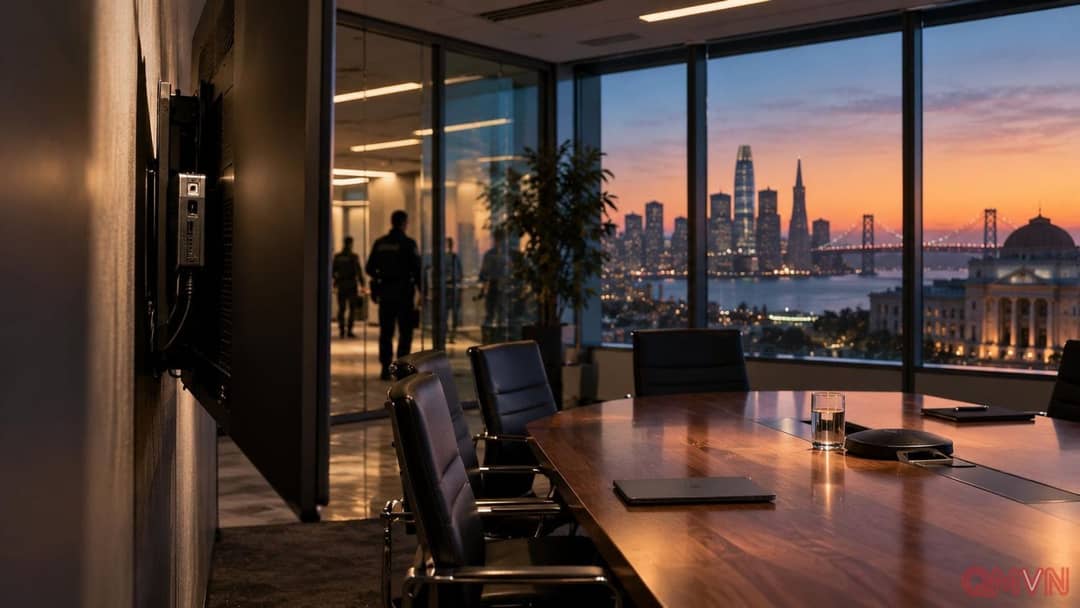
The U.S. Justice Department says OpenAI staff discovered a concealed recording device plugged behind a television in an executive conference room on September 30. Investigators allege it was installed around September 28 and concealed in toilet paper. The room regularly hosted discussions touching on product strategy, business relationships, confidential research and government engagements.
Prosecutors cite surveillance footage and physical evidence in alleging that Alfozan appeared near a room he was not authorized to use. Investigators also describe a second recorder found in his bag. Neither the discovery of hardware nor the presence of a suspect near the room, however, establishes exactly what conversations were captured or whether any information reached another party.
Why the judge refused release
At the October 19 detention hearing, Judge Alex Tse rejected a proposed release arrangement. Prosecutors pointed to the departure of Alfozan’s wife and child for Saudi Arabia, his contacts with a member of the royal family and a consular offer to help post bail. The absence of a U.S.–Saudi extradition treaty heightened concern that he could be difficult to return if he left.