Diplomatic Paradox and Concessions for Human Freedom
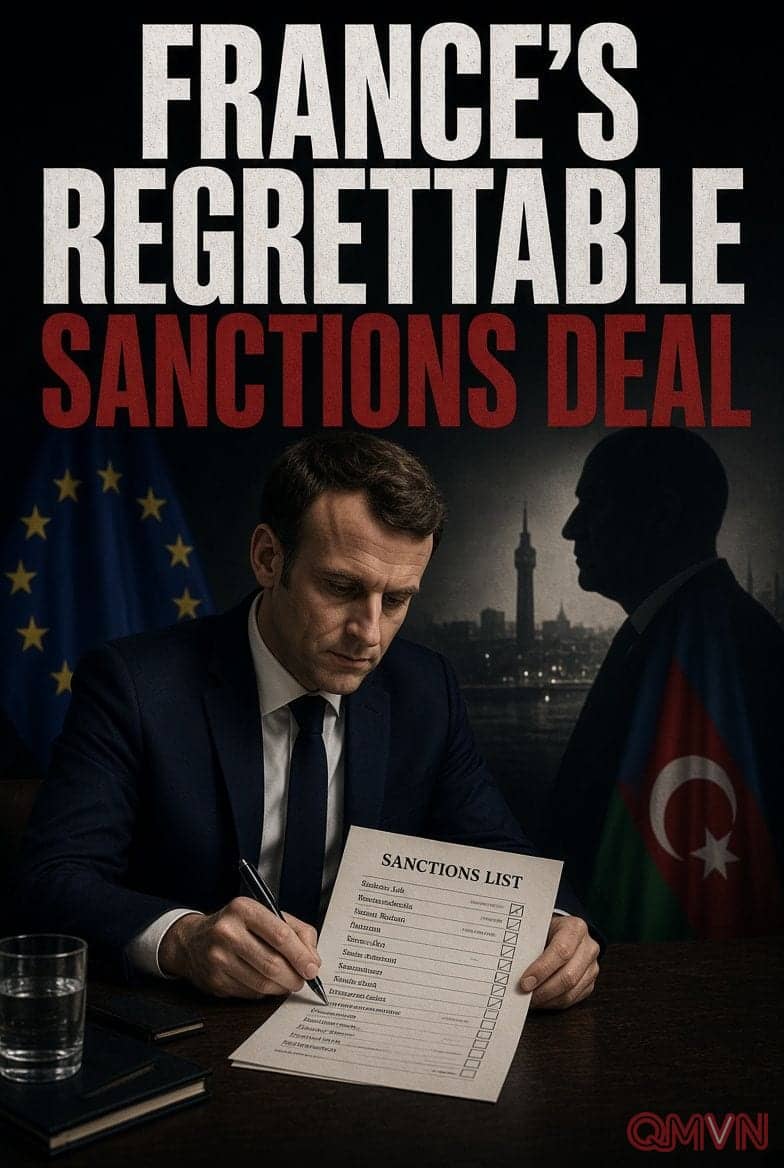
During the European Union sanction review summit, Paris presented member states with a difficult ultimatum by seeking to exclude metals and telecommunications magnate Alisher Usmanov from the punitive blacklist. The maneuver unfolded against the backdrop of a French entrepreneur sentenced to ten years of imprisonment in Baku on espionage charges that French authorities consistently dismissed as entirely baseless.
Following this diplomatic concession in Brussels, Azerbaijani President Ilham Aliyev formally issued a presidential pardon, granting the French national his long-awaited release. While the outcome rescued a citizen from severe hardship abroad, it simultaneously drew significant criticism from international observers who perceived the intervention as an uncomfortable compromise of collective EU foreign policy.
“Any sanctions policy incurs a cost for the country that imposes it, and its effectiveness depends on how consistently it is enforced.” — Le Monde
Alliance Fissures and Precedents in Multilateral Sanctions
The unilateral action spearheaded by France generated immediate consternation among European Union members and government officials in Kyiv. Strategic exemptions of prominent sanctioned individuals are widely viewed as a development that could inadvertently dilute the credibility of the collective European stance against external aggression.