‘No money, no future’
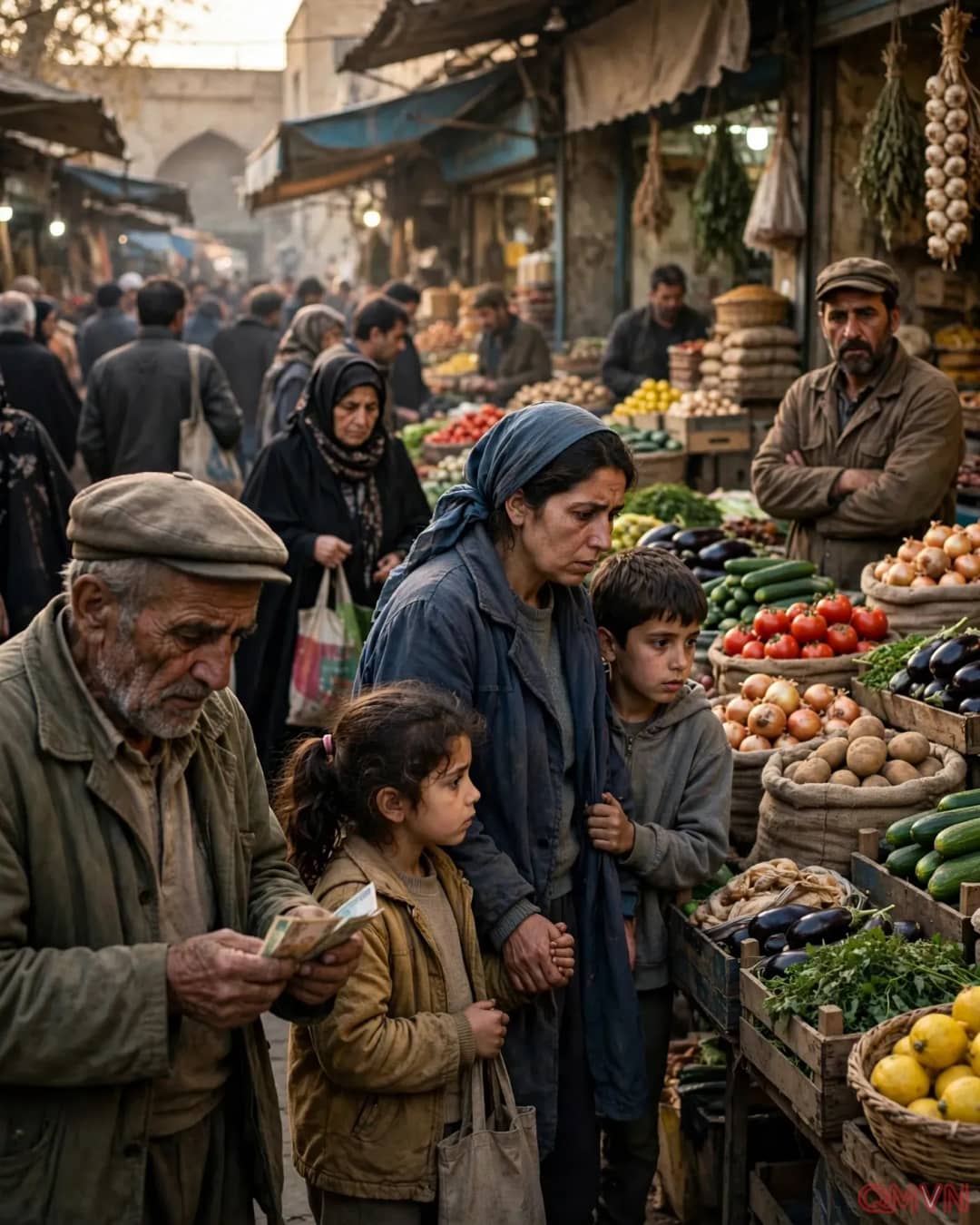
Reuters spoke to more than two dozen people across Iran, from different backgrounds and regions, and heard a similar story: real incomes have collapsed while prices keep climbing. In the northeastern city of Mashhad, 47-year-old shopkeeper Mohammadali, a father of two, described a life shaped by two fears, of another US attack and of being unable to make ends meet each month.
“We have no money, no future and no hope.” — Mohammadali
His words echo across social classes. In Isfahan, a 44-year-old government employee named Mahmoud said his salary of less than $100 lasts only about ten days, and that he and his wife constantly invent excuses when their daughters ask for a toy or new clothes.
Prices outrun paychecks
Official data paint a stark picture. Annual inflation accelerated to 73.6% in September, while consumer prices were nearly 90% above their level a year earlier. Food and beverages rose even faster, by 121.8%, forcing families to cut spending elsewhere. Government-mandated pay rises have been swiftly overtaken by price increases, and many households have exhausted their savings or borrowed to cover daily needs.
Official estimates put the minimum monthly cost of living for a three-person working-class family at about $336, more than three times the average monthly wage. Key indicators of the squeeze include: