MAIN CONTENT
The fuel bill reshapes every fare
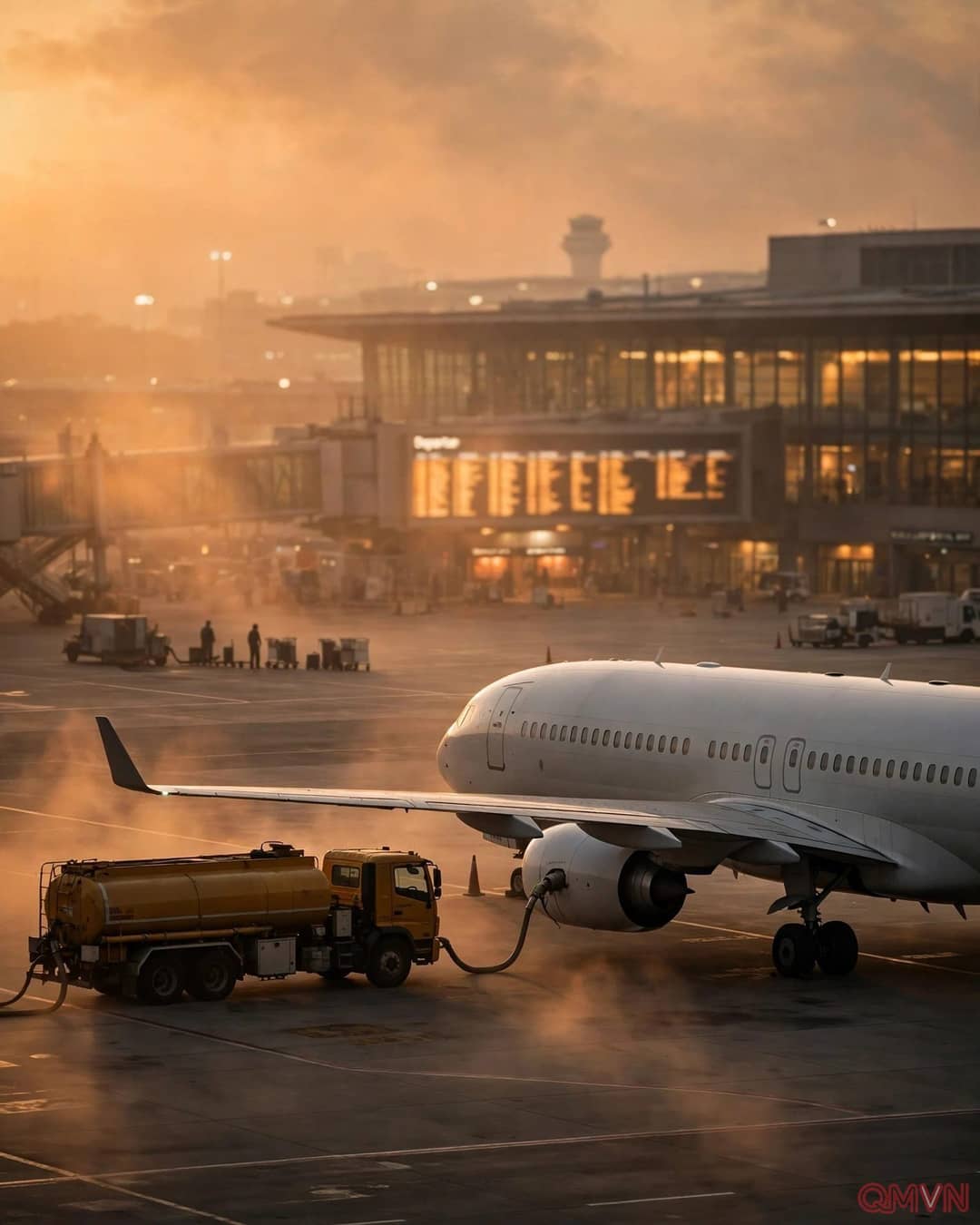
Aviation's cost equation has changed quickly. At an industry gathering in Kuala Lumpur, Wong said carriers were attempting to protect passengers from the full shock of fuel inflation, without sacrificing the cash needed to operate safely and maintain networks. Because fuel accounts for approximately a third of expenses, a prolonged increase leaves little room for painless adjustments. Airlines can raise base fares, impose fuel surcharges, change ancillary fees or trim capacity, but each option carries commercial risks.
The precise price benchmark matters. Reuters reported on November 13 that spot jet fuel was around $148 a barrel, down from nearly $180 in late October, while Wong described the industry's experience of prices around $180. Those figures are snapshots, not a contradiction in the underlying message: fuel remains dramatically more expensive than before the Middle East conflict began in February. A fall in the spot price also does not automatically flow through to cheaper tickets already priced, sold or hedged months earlier.
Demand is resilient but not limitless
According to the AAPA figures quoted by the Associated Press, regional passenger traffic contracted in each month from April through August and edged back into growth in September. Even so, cumulative traffic for January through September was up 1.9%.