MAIN ARTICLE
Why six units are not an absolute ceiling
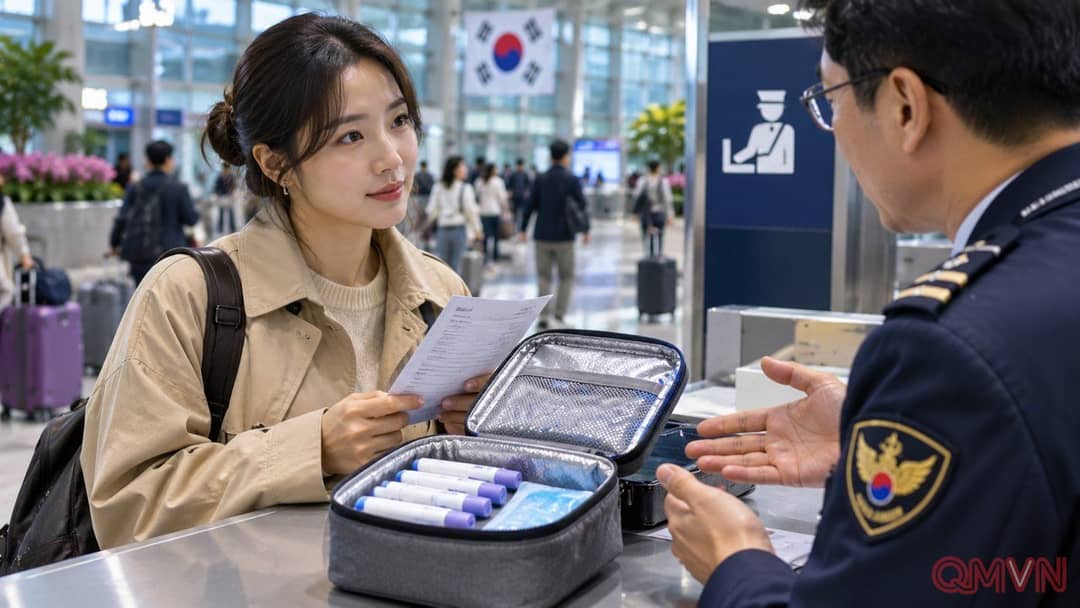
The agencies' November 11 announcement says eligible medicines must be officially authorized by the relevant country's drug regulator, prescribed through a legitimate healthcare system and legally purchased. Travelers must be carrying them for personal treatment rather than for sale or redistribution. That distinction separates patients maintaining a course of therapy from unauthorized traders transporting supplies with uncertain origins.
Six units form the default allowance, but the actual limit depends on a medication's dosing schedule. When a regimen requires more than six, travelers may carry no more than the quantity corresponding to three months of treatment. For a once-weekly, single-use GLP-1 injection, regulators illustrated the rule with around 12 units. It would be incorrect to interpret that example as permitting 12 packages of every weight-management medicine.
Three practical situations are covered: a patient returning to South Korea with medication previously taken abroad, international students or foreign residents continuing treatment started elsewhere, and travelers who received valid prescriptions and purchased medicine during an overseas trip. The underlying principle is continuity of legitimate healthcare, not an exemption from professional medical assessment.