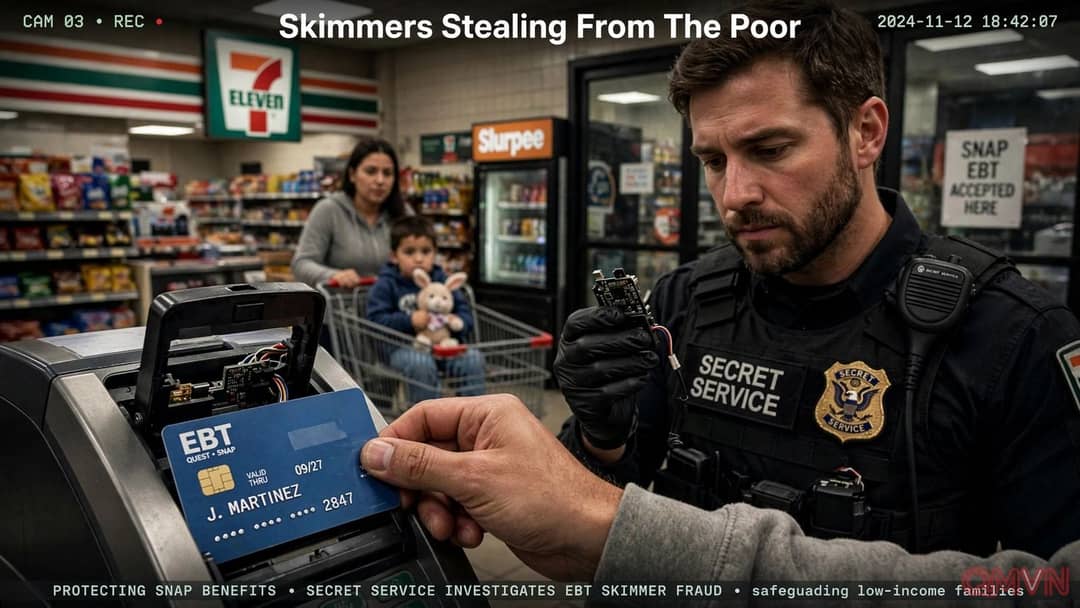
How the Toledo 7-Eleven Skimming Scheme Worked
Prosecutors allege group behind Toledo attack arrived in Ohio in late February. A man named Ionut Ilie secretly photographed payment devices at several stores in Ohio and sent them to California, where Valentin Velicu operated a skimming device workshop at his home, according to indictment.
Dragos Vasile, third alleged member, then went to a California post office to send skimmers and fake IDs to Ilie, operating under name Morgan Anderson. Ilie installed skimmers at stores in Toledo and Cleveland areas in early March, using 12-pack paper towels to block cashier's view of payment terminal. With help of informant, Ilie, Velicu, Vasile and fourth Romanian man were arrested. Alleged leader Constantin Ion, nicknamed Piranha, was charged but not arrested. Four detained men pleaded not guilty and expected to go to trial in January.
Magnetic-Stripe Loophole That Makes EBT Cards Vulnerable
Criminals exploit a common flaw in cards most low-income Americans use: magnetic-stripe technology invented in 1960s. Skimmers, fitted snugly onto payment terminals and looking almost identical, collect account numbers and PINs electronically during purchase. Criminals then encode data onto blank cards, then withdraw cash from ATMs or buy items like energy drinks to sell on black market.