MAIN CONTENT
From a distant goal to a reachable threshold
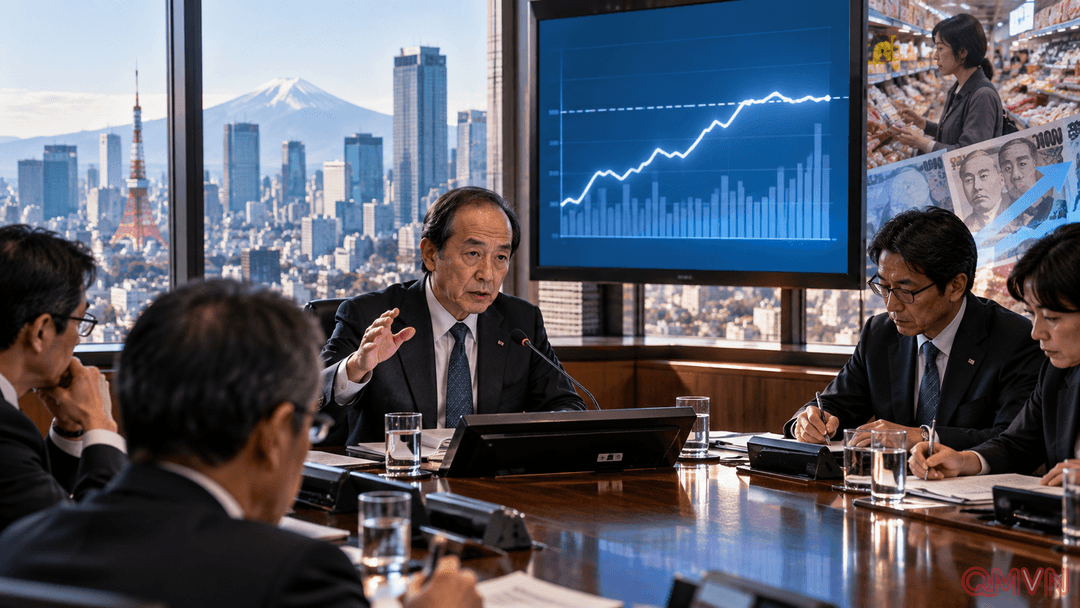
For years, the BOJ’s 2% inflation target looked remote. Now, wage gains, inflation expectations and companies’ greater willingness to pass higher costs to consumers point to a structural change. The BOJ’s September meeting summary showed that some policymakers judged underlying inflation to be fairly close to 2%, while another view was that it had broadly reached that level. The difference in wording captures the central bank’s position: the goal may be within reach, but this is not yet an unconditional declaration of victory.
The “underlying inflation” watched by the BOJ is broader than a single CPI reading. Policymakers examine measures stripped of temporary effects, medium- and long-term inflation expectations, wage trends, the output gap and indicators of labor shortages. The aim is to distinguish price increases caused by oil, exchange rates or subsidy changes from a more durable cycle in which wages and prices rise moderately together.
If the BOJ formally states that underlying inflation is around 2%, the deeper message will be that Japan may have moved beyond the long era of chronically stagnant prices. But a statistical threshold becomes a policy achievement only if it can be maintained without repeated external shocks. The key question therefore shifts from “has 2% been reached?” to “can 2% become embedded?”