Context of the New U.S. Tariffs
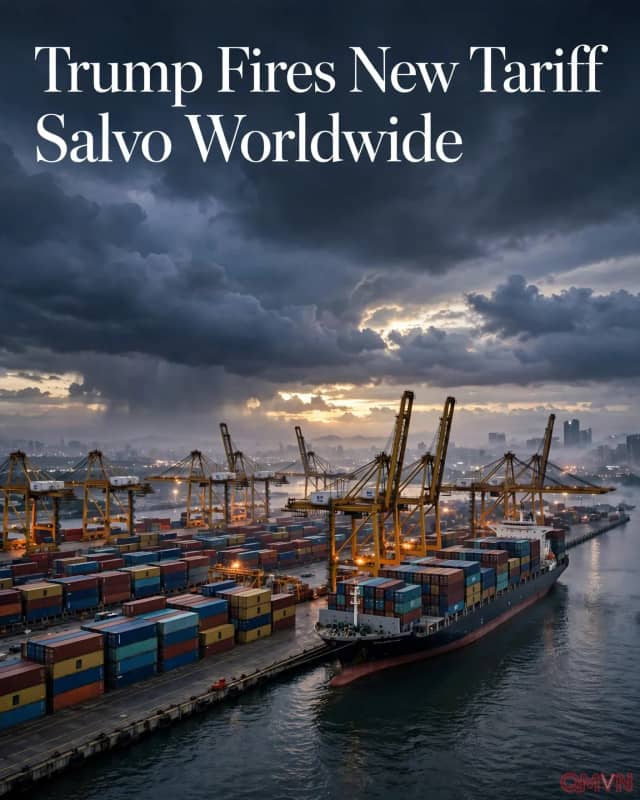
On May 19, the Trump administration imposed new tariffs ranging from 10 to 12.5% on imported goods from over 80 countries. This move was based on Section 301 of the U.S. Trade Act of 1974, citing that many countries lacked effective measures against goods produced through forced labor. The U.S. authorities emphasized the goal of boosting domestic production and reducing trade deficits with foreign partners.
However, this measure has faced opposition and criticism from many countries, who argue that the accusations lack sufficient basis or constitute discrimination. Particularly, the new tariff policy replaced the previously expired 10% global tariff, leading many to suspect that the U.S. is abusing national law.
Reactions from Countries and Regions
Australia
Australian Trade Minister Don Farrell completely denied allegations that the country is involved in forced labor in its exported products. Australia, one of the major beef, gold, and copper exporters, stated that it highly values the issue of modern slavery and will continue diplomatic negotiations with the U.S. to resolve these new tariffs.