MAIN CONTENT
A safety decision with nationwide consequences
On November 13, air traffic facilities began reporting instability in radar-related data and communications. Rather than authorize further departures while controllers were receiving inconsistent information, the FAA imposed a nationwide ground stop. Aircraft already airborne continued to be guided toward safe landings. The measure was disruptive by design: in aviation, the cost of pausing operations must be weighed against the potentially catastrophic cost of proceeding without dependable information.
The agency cleared departures to resume at 8:15 p.m. Eastern Time after checks, but an airline network cannot restart like a light switch. Aircraft were in the wrong cities, flight crews were approaching duty limits, passengers had missed connections and airport schedules had to be rebuilt. Even after the technical fault was addressed, the operational consequences were expected to last well beyond Friday night.
Passengers pay the immediate price
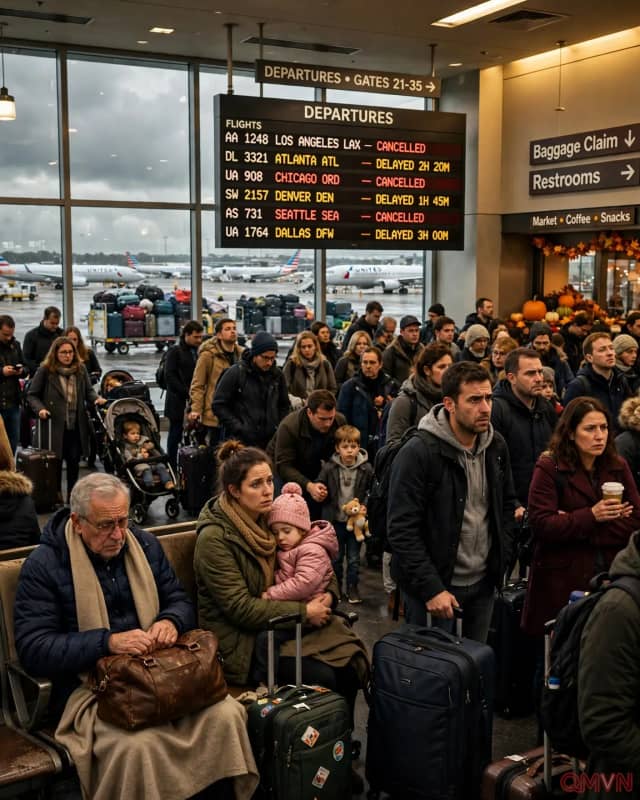
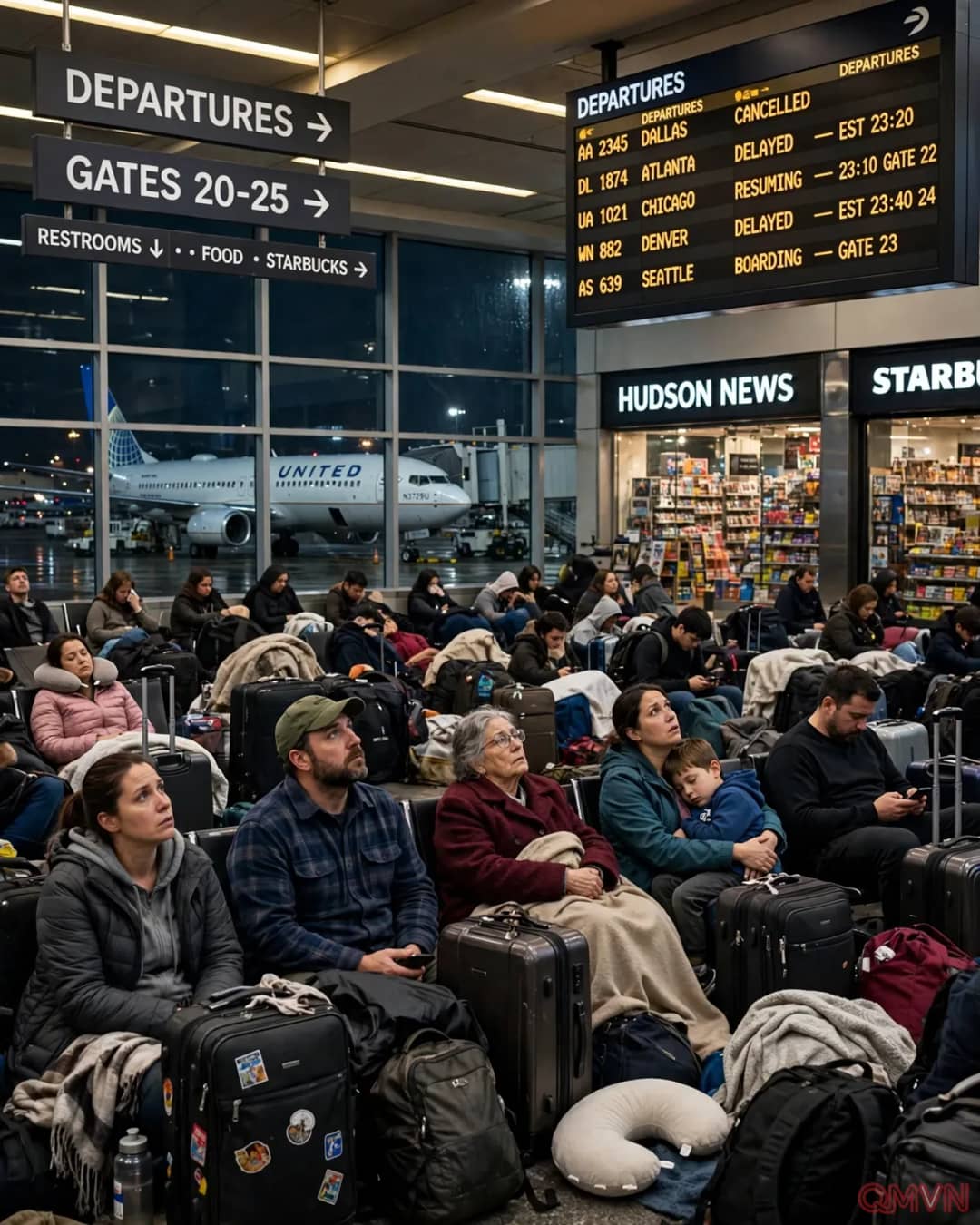
In airport terminals from Boston and Newark to Los Angeles and Seattle, departure boards filled with fresh cancellations and revised times. Reuters described travelers preparing to sleep at airports after missing international journeys.