Chebarkul and the Shadow of the Ukrainian Battlefield
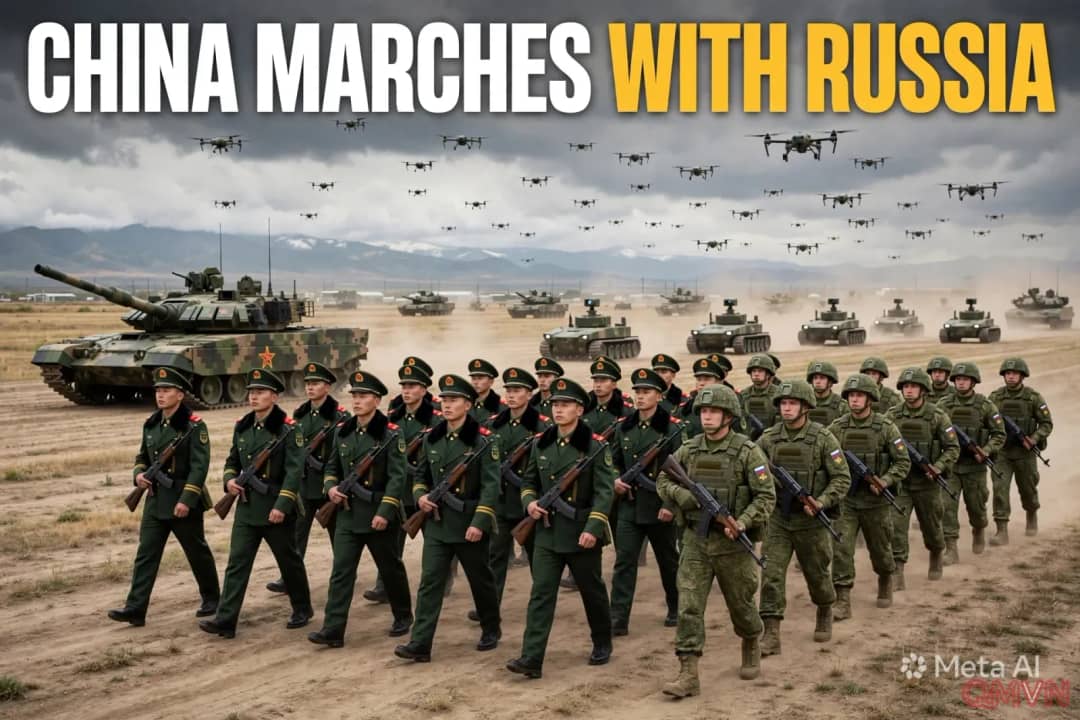
For six days, the steppe around Chelyabinsk, on the southern edge of the Ural Mountains, became a vast simulated battlefield. According to Russia’s Defence Ministry, Tsentr-2026 was a strategic command-and-staff exercise designed to “repel external aggression in the Central Asian direction,” involving more than 47,000 personnel, over 2,000 pieces of heavy equipment, 90 combat and transport aircraft and 77 warships and support vessels.
On October 2, President Vladimir Putin visited the Chebarkul training ground to watch the final stage and meet foreign military attachés, the TASS news agency reported. Interfax said representatives of 41 countries attended as observers. Reporting to Putin, Deputy Defence Minister Yunus-bek Yevkurov said the forces had not only practised repelling an attack but had also moved on to a counteroffensive.
*“The troops practised not only repelling an attack but also creating a security zone in adjacent territories.” — Yunus-bek Yevkurov*
That detail drew close attention from Ukrainian media and Western observers. The newspaper Ukrainska Pravda argued that the scenario imagined a neighbouring “aggressor state” in Central Asia, and that Kazakhstan, which shares a long border with the Chelyabinsk region, fits that description best. Moscow has not commented on this reading, stressing only that every task was carried out on the basis of combat experience in Ukraine.