Reframing the climate story
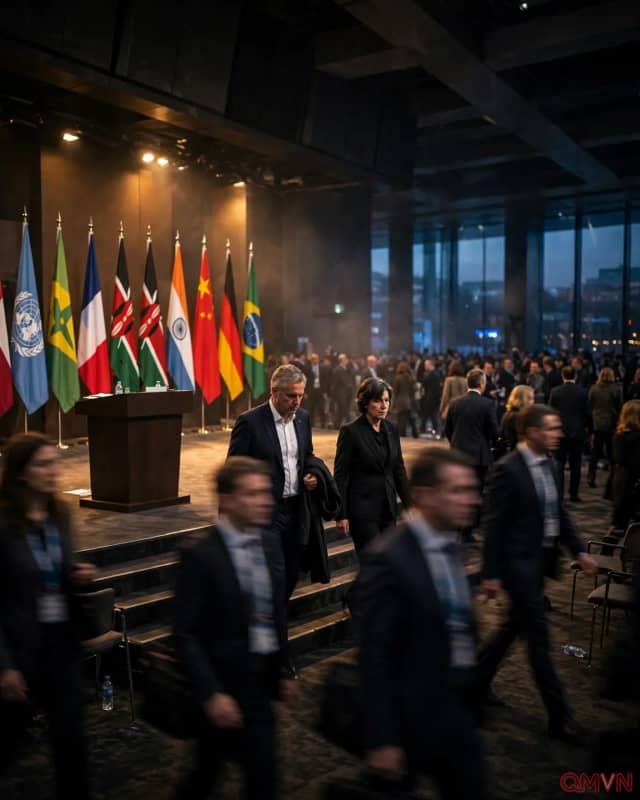
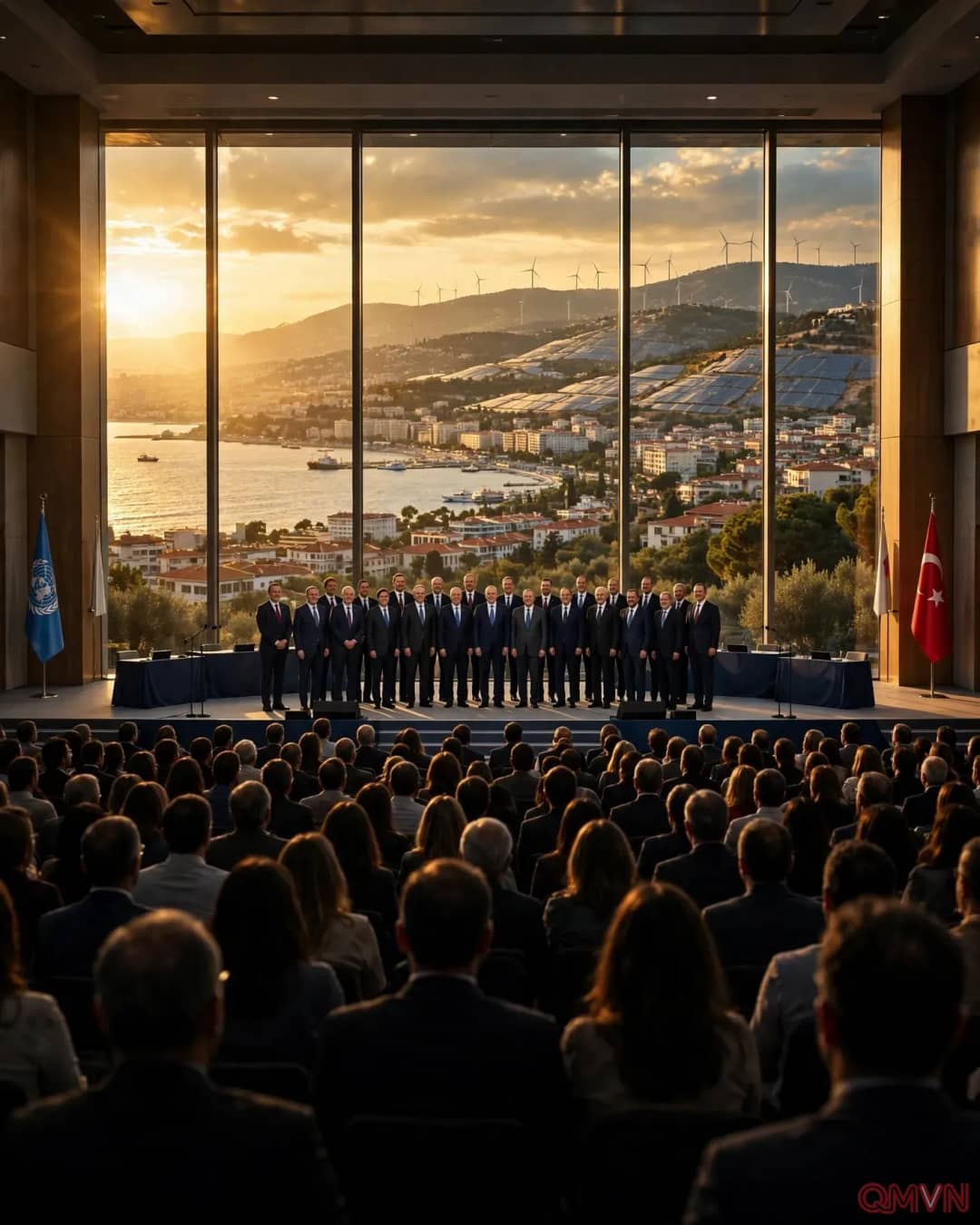
In plenary speeches and conference corridors this week, the message has been strikingly consistent. Rather than leading with melting glaciers and rising seas, organizers are emphasizing jobs, energy bills and national security, hoping to reach governments preoccupied with inflation, conflict and tight budgets. Stiell told delegates that turmoil in energy markets and climate disasters were fueling inflation, straining public finances, pushing up household bills and eroding living standards, and that climate action could ease those pressures.
The political costs of fossil fuel dependency are unforgiving.
Guterres made a similar case, noting that three-quarters of humanity live in countries that import fossil fuels and are therefore exposed to price shocks beyond their control. Recent conflicts, he said, show that this is a recipe for chronic insecurity and a cost-of-living crisis, and the clearest remedy is a shift to renewable energy.
Inflation, war and energy security
The new pitch is tailored to the times. Since the outbreak of the Iran war and the near-closure of the Strait of Hormuz, oil supply disruptions have rippled through the global economy. Several pressures have pushed climate down the list of priorities: