Kremlin's sanctions relief demands and Kyiv's resistance to asymmetrical concessions
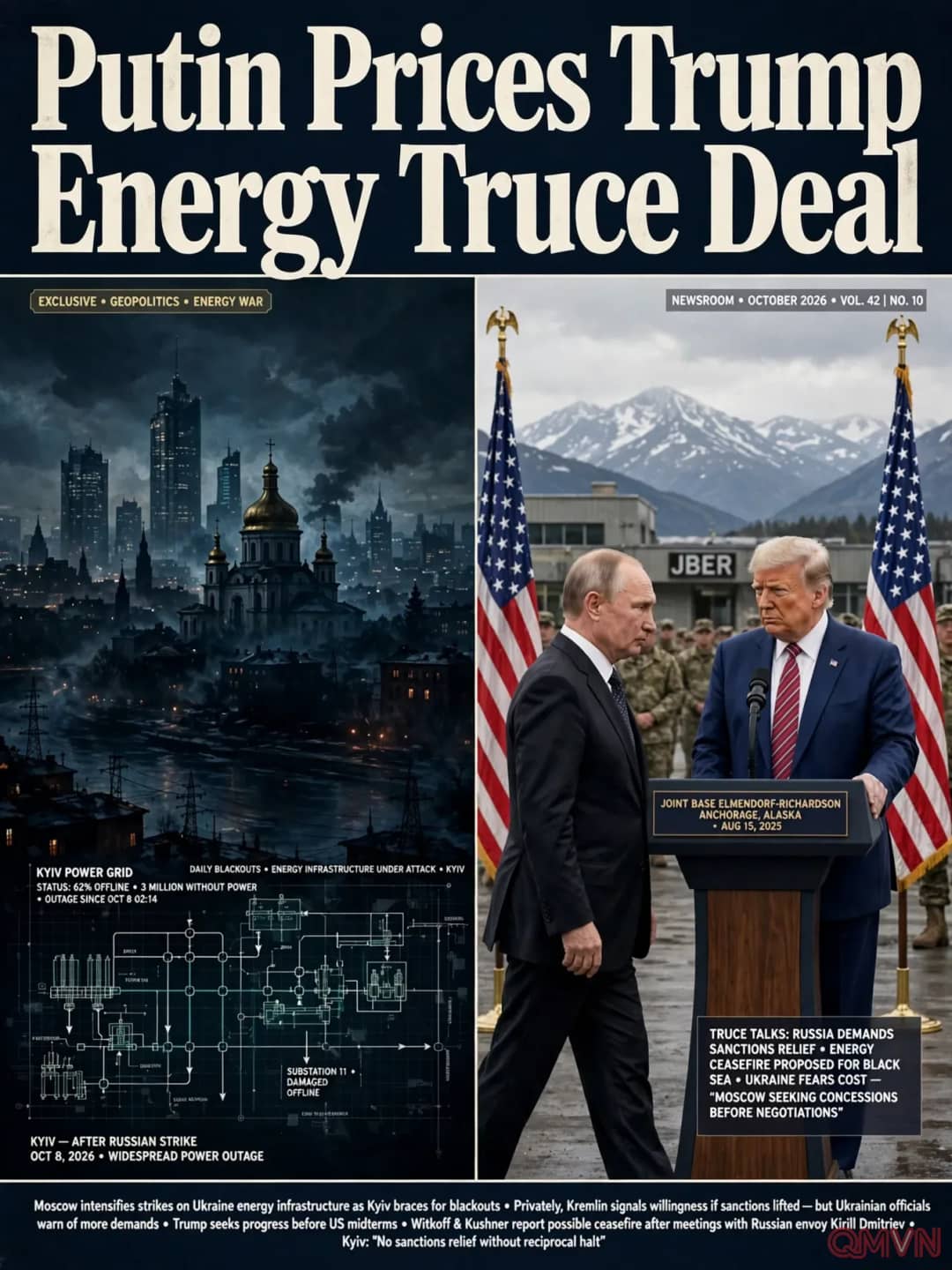
Russia has formally demanded sanctions relief from the United States as part of confidential discussions over a potential ceasefire halting strikes on energy infrastructure with Ukraine, while also seeking to link the initiative to a maritime ceasefire in the Black Sea, US and Ukrainian officials briefed on the matter disclosed to the Kyiv Independent. The aggressive diplomatic maneuvering coincides with intensified Russian aerial bombardments against Ukrainian energy nodes, calculated to inflict maximum grid paralysis to gain negotiating leverage.
Publicly, Moscow maintains a dismissive posture. Kremlin spokesperson Dmitry Peskov asserted on October 8 that Russia saw no utility in negotiating a sectoral pause, describing it as an attempt to protect Ukraine's 'Achilles' heel.'
Privately, however, Russian envoys signaled genuine willingness to entertain the proposal provided that economic restrictions imposed by the West are dismantled in return.
The diplomatic push is heavily driven by Washington. President Donald Trump is actively seeking tangible foreign policy achievements regarding Ukraine ahead of the upcoming US midterm elections. Trump’s special envoys, Steve Witkoff and Jared Kushner, held multiple meetings in September with Russian envoy Kirill Dmitriev to explore halting mutual strikes on energy infrastructure. European diplomats warn that Moscow’s primary objective may be securing the unfreezing of sanctioned state assets—capital that would almost certainly be redirected toward military escalations.
In Kyiv, the prospect of granting economic benefits to Moscow in exchange for a temporary pause in grid strikes has sparked vehement opposition. President Volodymyr Zelensky and senior defense officials insist that any energy truce must be strictly reciprocal—both sides ceasing long-range attacks on power facilities—rather than rewarding Russian aggression with unilateral economic concessions. A high-level Ukrainian delegation arrived in the US on October 9 to seek formal briefings from Trump's team regarding the Russian discussions.
Ukrainian policymakers harbor deep apprehension that Moscow is engaging in bad-faith delaying tactics, continually expanding its demands whenever talks commence. With blackouts already afflicting major metropolitan areas including Kyiv, Washington is prioritizing a narrowed bilateral agreement on energy and Black Sea navigation, aiming to pave the way for a proposed trilateral summit in late October despite pervasive skepticism over the Kremlin's willingness to honor any truce.
Every time negotiations begin, they come up with more and more demands. Now this lifting of sanctions has come up.
Russia is demanding US sanctions relief as a prerequisite for entering an energy infrastructure ceasefire with Ukraine.
Moscow seeks to link the energy agreement to a simultaneous maritime shipping truce in the Black Sea.
Kyiv rejects granting economic concessions to Moscow, insisting that any energy truce must remain strictly reciprocal.