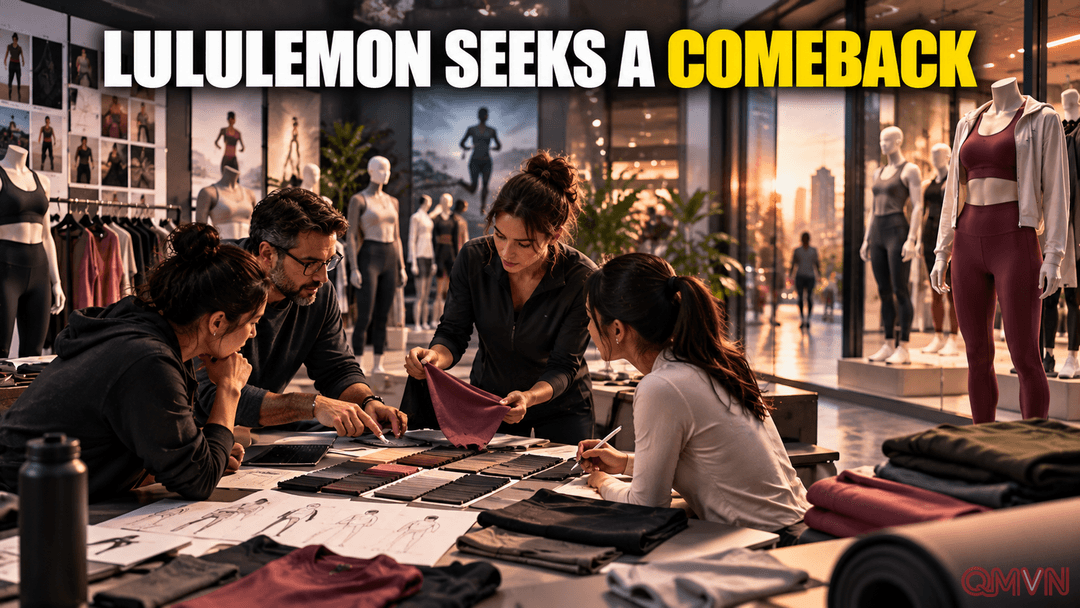
A new product chief with Nike experience
Gauger previously held a vice-presidential role at Nike and most recently served as chief executive of Athleta, Gap’s performance-apparel brand. She also worked at Nike alongside O’Neill. Their professional overlap may help the company connect product decisions more closely with its wider turnaround strategy.
She is set to take up the product role on October 26. For a label that built its reputation on fit, fabrics and technical details, product leadership touches the core of what shoppers encounter, rather than being merely a boardroom reshuffle.
The appointment of Godsey as chief operating officer also suggests a focus on linking design ambitions with execution, logistics and costs. The company has not demonstrated that the appointments alone will lead to an immediate sales recovery.
Market expectations are changing
Lululemon built much of its recognition around premium leggings and a loyal fitness community. Customers now have more athleisure options, however, and product problems and recalls have tested confidence in the brand.
Reuters reported that its shares have nearly halved in 2026 and are heading toward a third consecutive annual decline. LSEG data indicate analysts expect net income this year to be almost 40% below fiscal 2024. That figure is an estimate rather than a finalized financial result.
Investors are asking whether Lululemon can sharpen its product range while defending premium pricing. A sustainable turnaround must ultimately appear in customer response, revenue and margins, not simply in the résumés of its newest executives.
The leadership reshuffle broadens
Chief brand officer Nikki Neuburger and chief supply chain officer Ted Dagnese are due to leave on November 6. Lululemon is looking for replacements, according to its announcement reported by Reuters.
Until successors are appointed, chief financial officer Meghan Frank will take on additional oversight of global brand and technology functions. This arrangement keeps management responsibilities covered but also raises the importance of coordination across finance, marketing and operations.
O’Neill described the appointments as an opening step toward renewing customer connections and building sustainable growth. Whether that promise holds will become clearer as new collections reach stores and subsequent earnings reports reflect actual demand.
A comeback requires more than personnel changes
One challenge is understanding what shoppers want when a signature product can no longer carry an entire company’s growth story. New fits, colors and uses must still live up to Lululemon’s reputation for quality.
The company must also choose the pace of product launches. Chasing trends too quickly could bring inventory and quality risks; responding too slowly could encourage customers to move elsewhere.
For investors, the reshuffle is a sign of intent, not proof of recovery. For employees and shoppers, the real measure lies in whether merchandise, messages and the retail experience begin to reinforce each other. Durable progress is likely to emerge from many consistent choices rather than one headline appointment.