New guidelines for local authorities
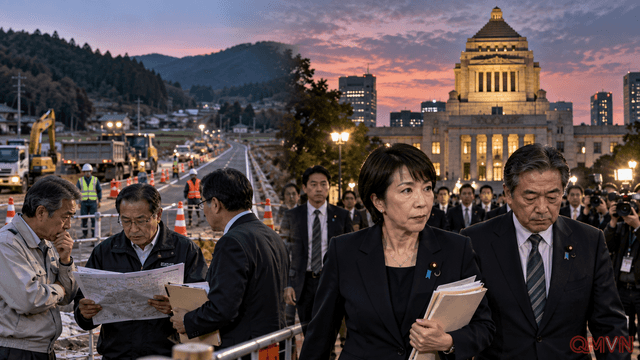
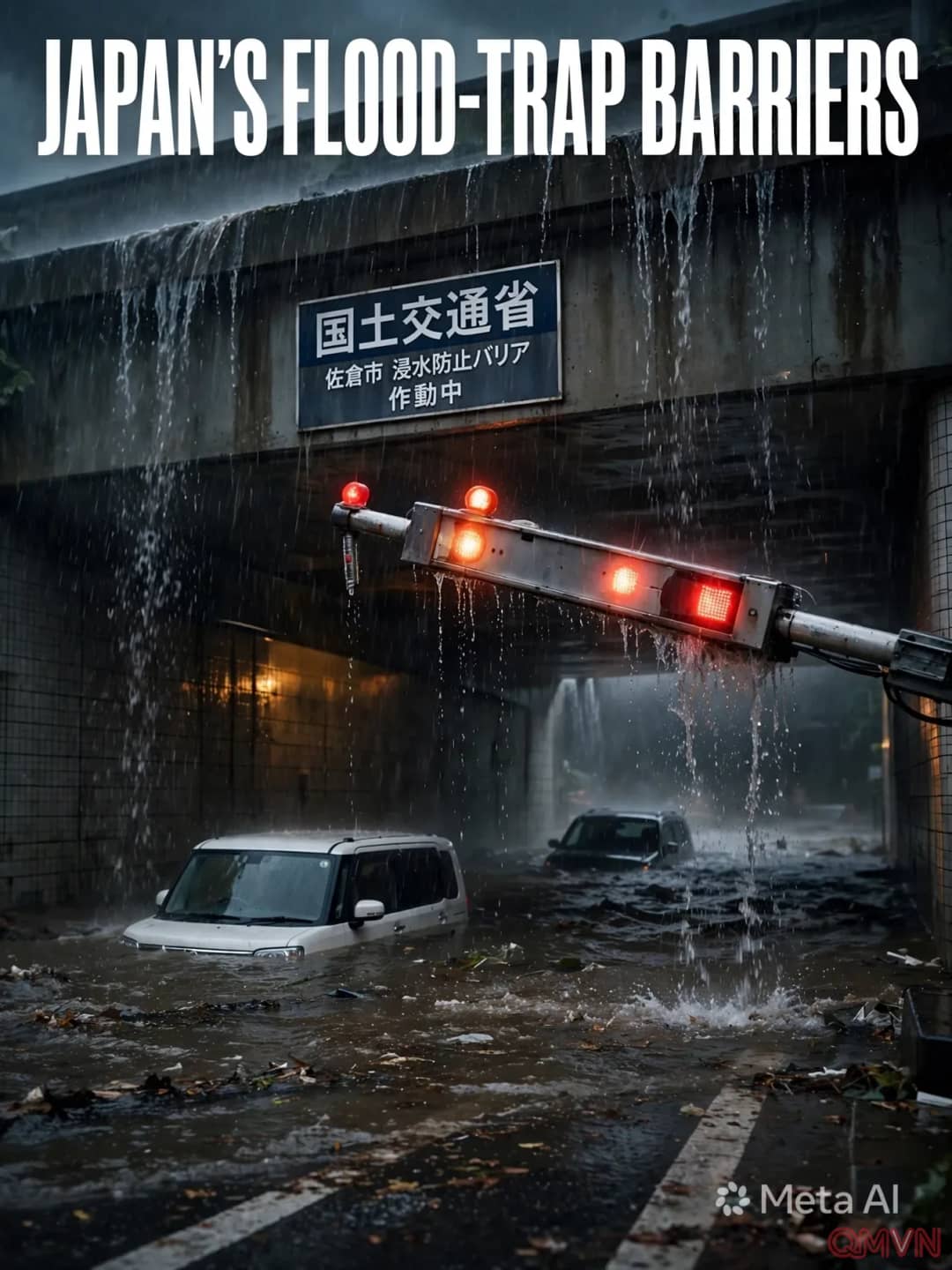
According to Jiji, the guidelines were compiled for road administrators, including local governments. The aim is to install barriers that can be opened and closed remotely at underpasses with a high flood risk, to stop vehicles entering during heavy rain.
Underpasses, low sections of road passing beneath railways or other roads, are often where rainwater collects fastest. Within a short time, the water can rise high enough to submerge a car.
Four levels of risk
Under the guidelines, administrators will determine the classification of each underpass, with the main provisions as follows:
- Underpasses nationwide will be categorised into four levels based on flood risk.
- Barriers will be installed at those at particularly high risk, especially where flooding has caused casualties or property damage in the past.
- Traffic will be restricted in advance when weather alerts corresponding to Level 4 are issued or when hourly rainfall reaches or is expected to reach a certain level; vehicles must also be blocked when drainage facility problems are detected.
The tiered approach helps concentrate resources on the most dangerous spots rather than spreading them thinly.