A boom shadowed by doubt
AI has spread faster than any technology in modern history, the essay notes. Within three years of ChatGPT's launch, 53 percent of the world's population had adopted generative AI, while organisational adoption reached 88 percent last year. Global corporate investment in AI has more than doubled, much of it flowing into data centres and power grids.
Yet doubts are growing almost as quickly. An S&P Global survey found that 42 percent of companies abandoned most of their AI initiatives in 2025, up from 17 percent a year earlier, and a PwC poll found 56 percent of CEOs reporting no measurable benefit. Communities are resisting new data centres, and documented incidents of AI harm rose by more than 55 percent last year. The authors argue that both utopian and dystopian camps share the same blind spot: assuming humanity's future depends mainly on the future of AI.
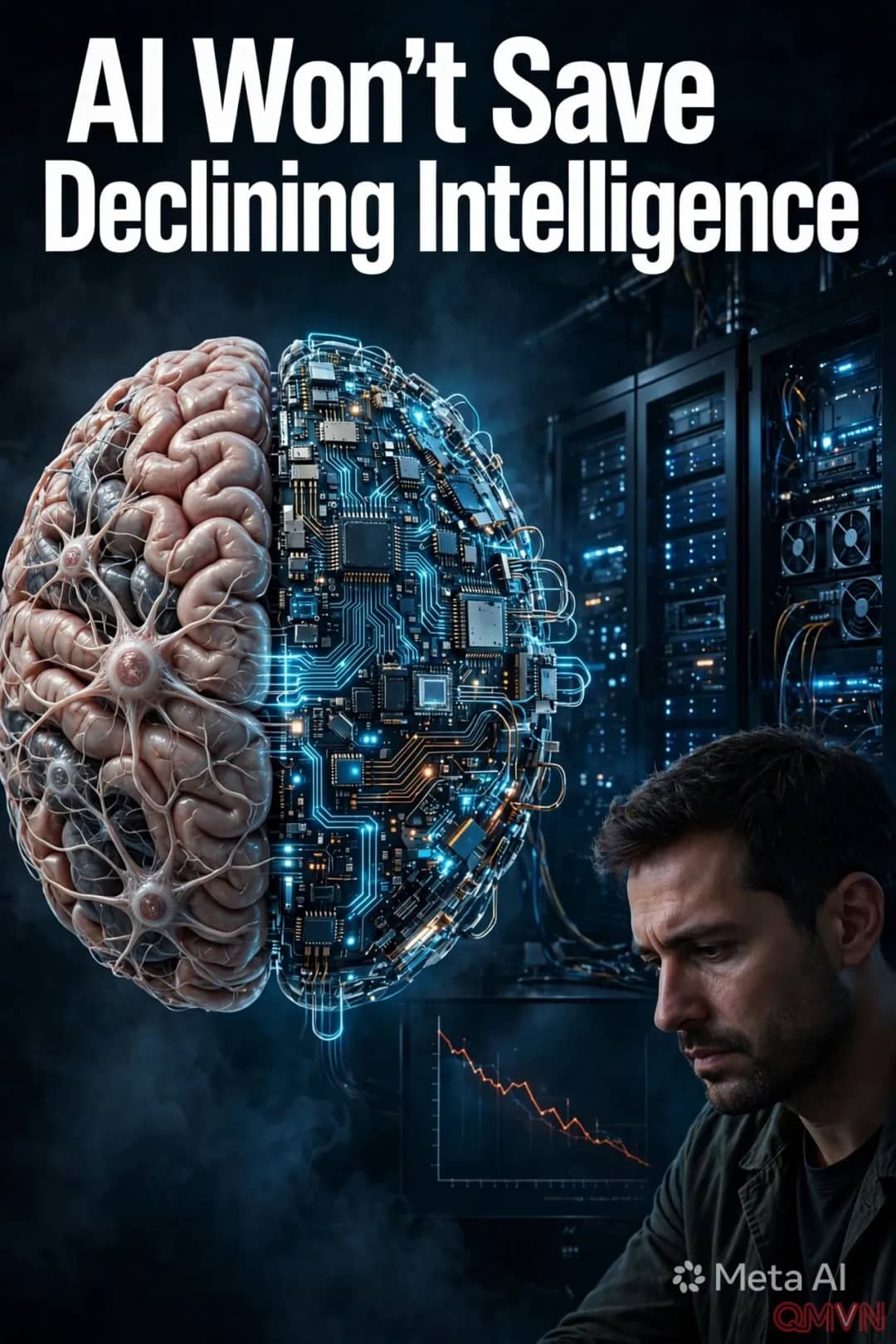
The overlooked decline in brain health
According to the essay, the real crisis lies in the deterioration of human brain capital. Key indicators include:
- Mental and neurological conditions, substance-use disorders, strokes and self-harm account for roughly a quarter of the global disease burden.