MAIN CONTENT
An alarm heard everywhere except by the family
The first warning arrived late on a Saturday night in July, when the home-security system detected activity at the back entrance. Jargon, away with her family for the weekend, had set her phone to Do Not Disturb from 9 p.m. until 8 a.m. By morning it carried urgent alerts and messages from neighbors. Security personnel had already contacted police, who searched the residence for intruders. The family’s delayed awareness was not a failure of the alarm itself; it exposed a weak link between automated notification and the human attention that must follow.
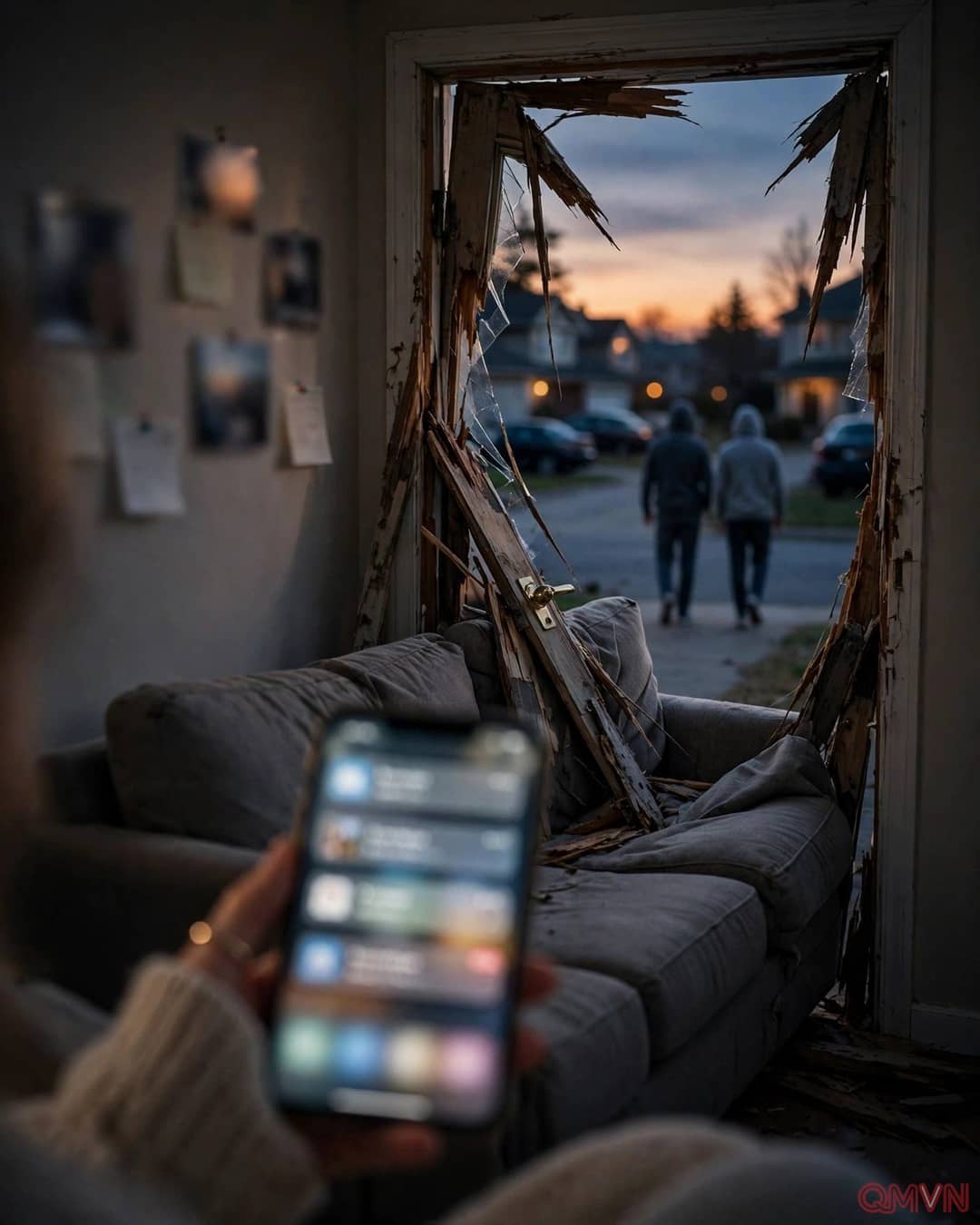
At home, the scene was more forceful than a harmless knock. The wooden door frame was splintered and the lock could not secure the entrance. Deputies had moved a couch against it until the family returned. Investigators identified a shoe impression consistent with a hard backward kick, while an audible siren appeared to have interrupted the attempt. Police found no evidence anyone had entered or stolen property. Even so, for the residents, the line between a safe house and an exposed one had been crossed.
Small digital traces assemble a larger picture
An unusual ride-share request offered investigators a second thread. A driver had reportedly been sent to a dark stretch of road near the residence and declined to collect two people whose faces were obscured. The family also considered who might have known the house was unoccupied.