MAIN ARTICLE
Energy security changes the investment calculation
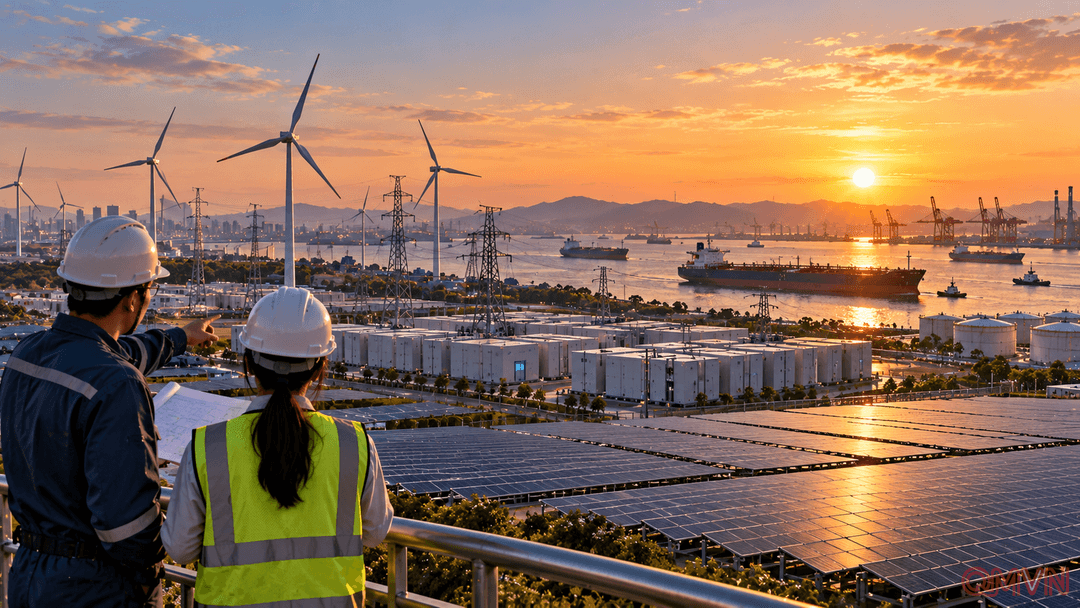
For an economy that imports oil and gas, fuel prices are more than a market variable. They are a strategic exposure. Interruptions to shipping through the Strait of Hormuz can transmit through electricity bills, transport costs and industrial inputs to household budgets. DNV’s Energy Transition Outlook 2026 argues that this vulnerability is pushing importing economies toward energy sources that can be produced domestically.
The report’s central comparison concerns the share of non-fossil sources in total primary energy. That share increased by 2.2 percentage points across China, India and Europe over the past five years, compared with 0.7 points across the Middle East, North America and Russia. It is a comparison of changing energy shares, not a precise claim that renewable generating capacity increased threefold in one group.
DNV sees domestic power production, improved efficiency and diversified supply as ways to manage geopolitical exposure. They do not eliminate dependence entirely: minerals, equipment, batteries and manufacturing networks create their own supply-chain vulnerabilities.