Sanctions As The Stick, Business Deals As The Carrot
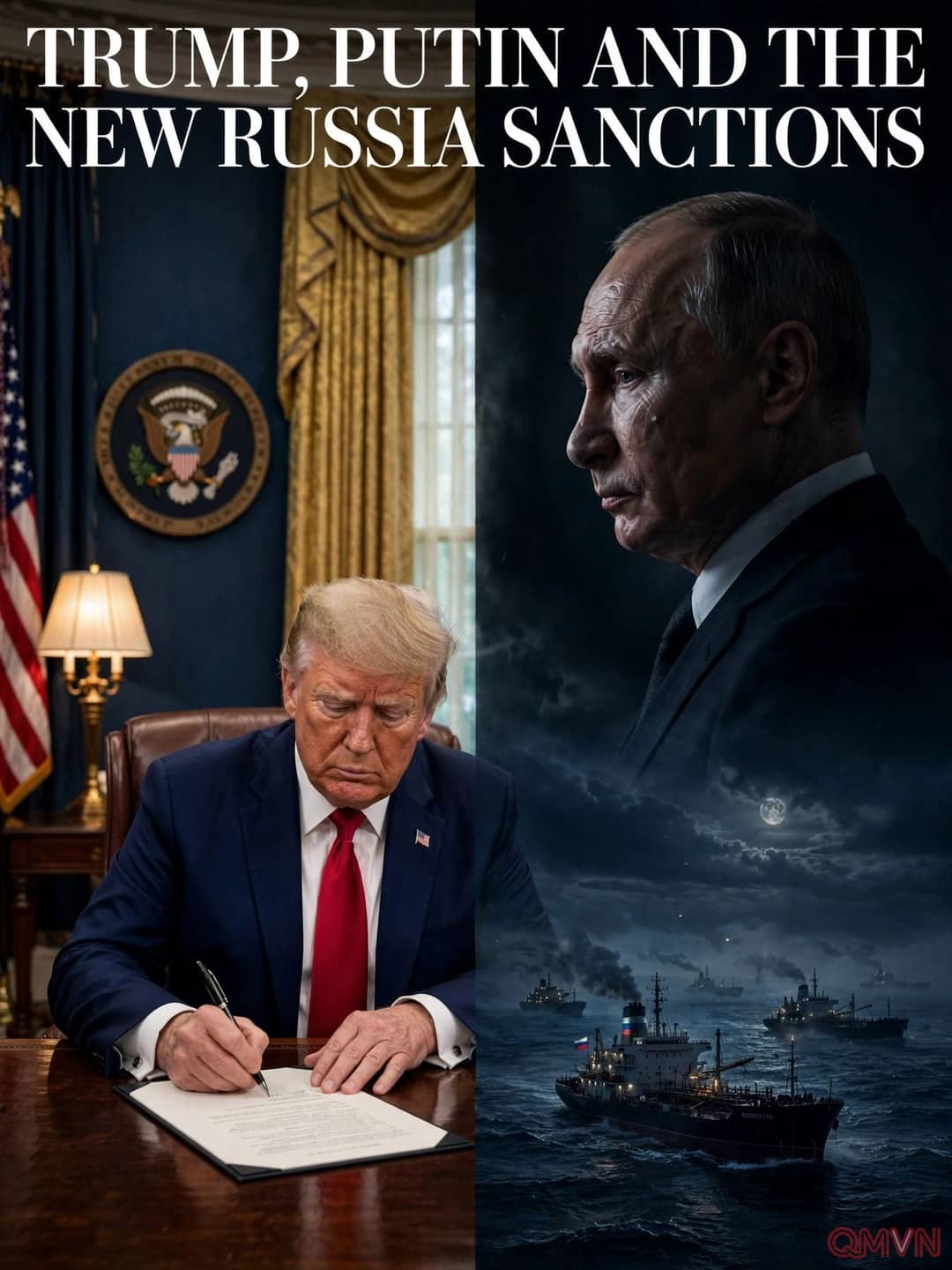
The sanctions bill the House passed 262 to 159 would let Trump impose tariffs of up to 100 percent on the biggest buyers of Russian oil and gas, while also penalizing Russian officials, businesspeople and financial institutions. Representative Michael McCaul, one of the bill's top champions, said the measure would cripple Russia's war machine and ultimately force Putin to the table. The legislation bears the imprint of the late Senator Lindsey Graham, who championed it until his death in July; his sister, Senator Darline Graham, who succeeded him, said it would strengthen the president's hand in negotiations. Yet officials suggest the administration's real emphasis right now sits with the carrot rather than the stick: one US official said the goal is to give Russia's elite more incentive to push for peace, and that striking some business deals before the war ends could help convince hawkish figures around Putin that Trump genuinely wants a new relationship with Russia.
The Kremlin's Offers, A Shift In Washington
Since Trump returned to office, the Kremlin has repeatedly floated economic opportunities, from rare-earth and aluminum deals to Arctic joint ventures and inviting American firms to help sell Russian natural gas to Europe. After Putin met Witkoff and Kushner in Moscow on September 5, Kremlin foreign policy adviser Yuri Ushakov said the two sides discussed potential mutually beneficial economic projects in some detail.