Two sets of samples, two sets of answers
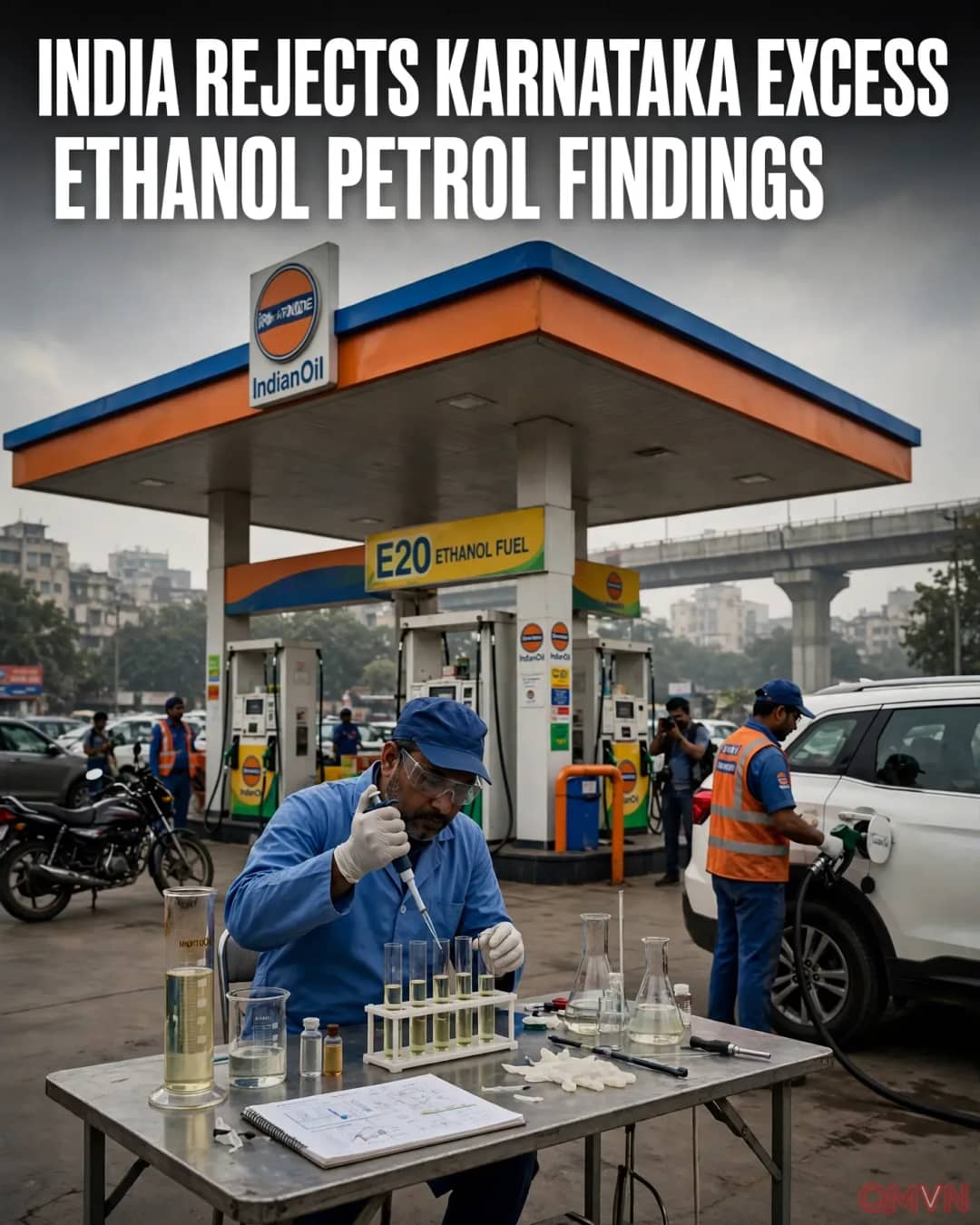
The dispute began on Friday, November 6, when Karnataka minister Rizwan Arshad announced the results of testing on petrol from seven districts. According to figures cited by Gandhi, 11 of 14 samples exceeded the limit. An accredited laboratory in Bengaluru, the Shriram Research Institute, reported ethanol content of 31.2% in a sample from Indian Oil and 30.5% in one from Hindustan Petroleum.
The central government's response came within a day. The petroleum ministry said 56 samples had shown an average of 19.30%, and that E20 sold across the country complies with the standards of the Bureau of Indian Standards. It also cast doubt on how the state's samples were drawn and tested, which is often where such disputes are decided: ethanol readings can depend on handling, storage and method.
Karnataka has not retreated. On Monday, Arshad reaffirmed the findings and rejected what he described as self-certification by the oil companies. With retailers seeking independent tests of the state's samples, a neutral examination is emerging as the obvious means of resolving a disagreement in which each side is relying on its own numbers.
From the laboratory to the campaign trail
The politics arrived almost as quickly as the rebuttal. Gandhi seized on the results with a phrase built to travel, invoking the number of the old penal code section on cheating, and demanded that Modi disclose actual ethanol levels and act against any company found to be over-blending.