MAIN CONTENT
A cooler labor market sends a complicated signal
The Labor Department reported that US employers created 29,000 jobs in September, dramatically below the 90,000 median forecast cited by Reuters, with August’s gains also revised lower. Unemployment rose from 4.1% to 4.2%. Yet the rise partly reflected more people entering the labor force rather than broad layoffs; unemployment claims remained low, and wage growth moderated.
This combination does not in itself establish a recession. Nor does it automatically argue for higher interest rates. Slower hiring increases the risk that additional monetary restraint could reduce demand for labor, while relatively limited layoffs leave policymakers concerned that inflation can remain elevated. The task is to judge which danger has become more immediate.
Why waiting in October has gained support
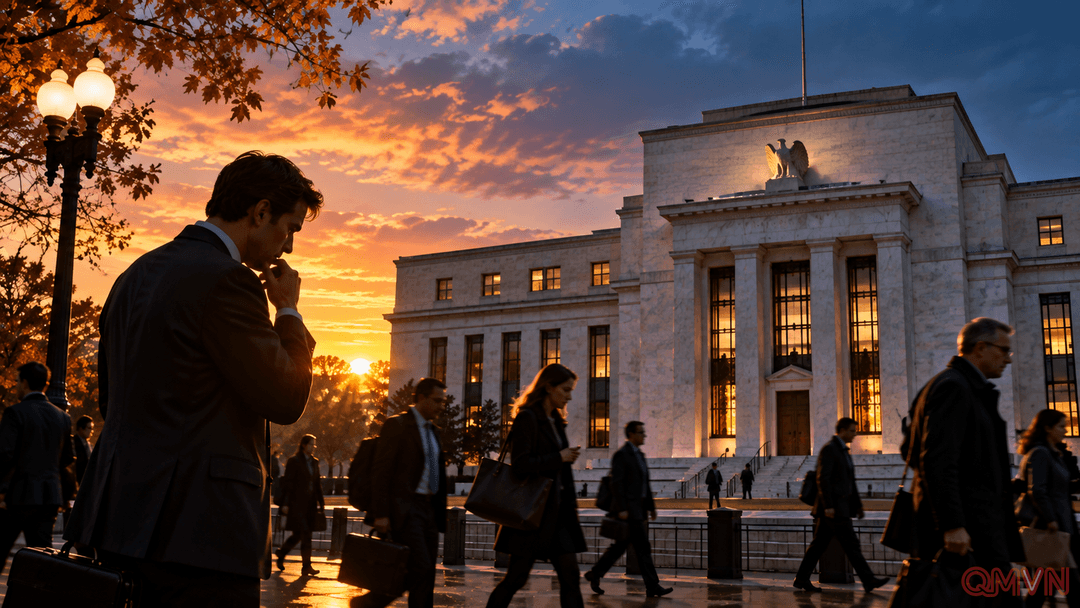
The Fed increased its target rate range to 3.75%–4% at its September 16 meeting. Vice Chair Philip Jefferson and New York Fed President John Williams have since emphasized the value of seeing more information.