New Tariff Policies and Opposition from WSJ
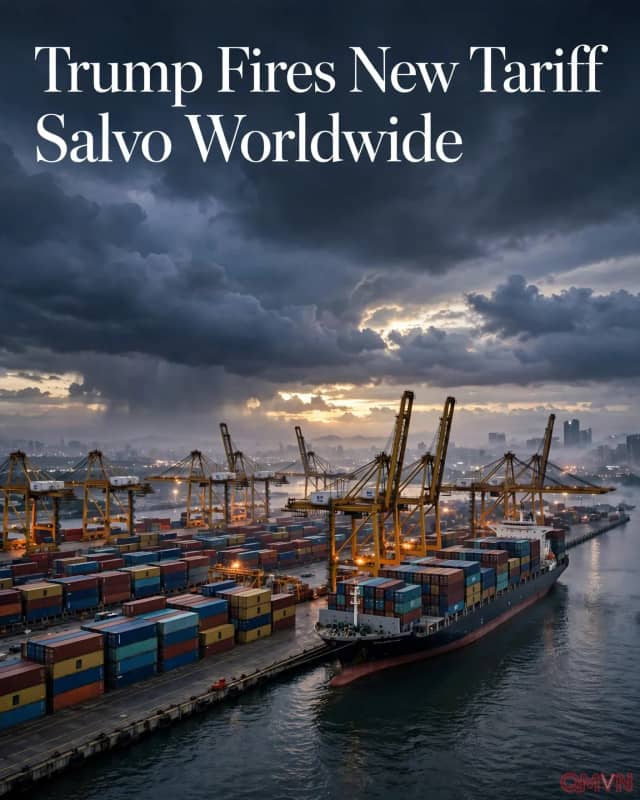
The editorial board of the Wall Street Journal (WSJ) publicly criticized President Donald Trump on July 24, 2026, for what it described as 'obsessive' tariff policies that are harming the economy. According to the report, the Trump administration announced a new series of tariffs applied under Section 301 of the 1974 Trade Act to replace expiring Section 122 tariffs.
In the editorial, WSJ noted that President Trump apparently does not care about the damage caused by this policy because the tariff costs are widely distributed among businesses, consumers, and workers. This policy specifically targets countries accused of using forced labor in the production of imported goods into the United States, including the European Union, Canada, and more than 50 other countries.
Details of Tariff Rates and Application Purposes
Tariff rates applied to countries that have committed to eliminating forced labor in supply chains are set at 10%, while countries that have not issued such measures must bear a tariff rate of 12.5%. In addition, the Trump administration proposed tariffs of up to 50% for Canada under Section 338, due to allegations that the country has engaged in discriminatory trade practices related to cheese and retaliatory tariffs.
Regarding Section 232, tariffs are justified under the guise of national security, applied to items such as automobiles, metals, generic drugs, and other products. However, there are notable exceptions, such as the pharmaceutical industry, which can be exempted if companies commit to investing in domestic manufacturing plants in the U.S. and selling drugs to the Medicaid program at preferential prices deemed the 'most favored national price'.