MAIN REPORT
When a narrow strait shakes a much larger economy
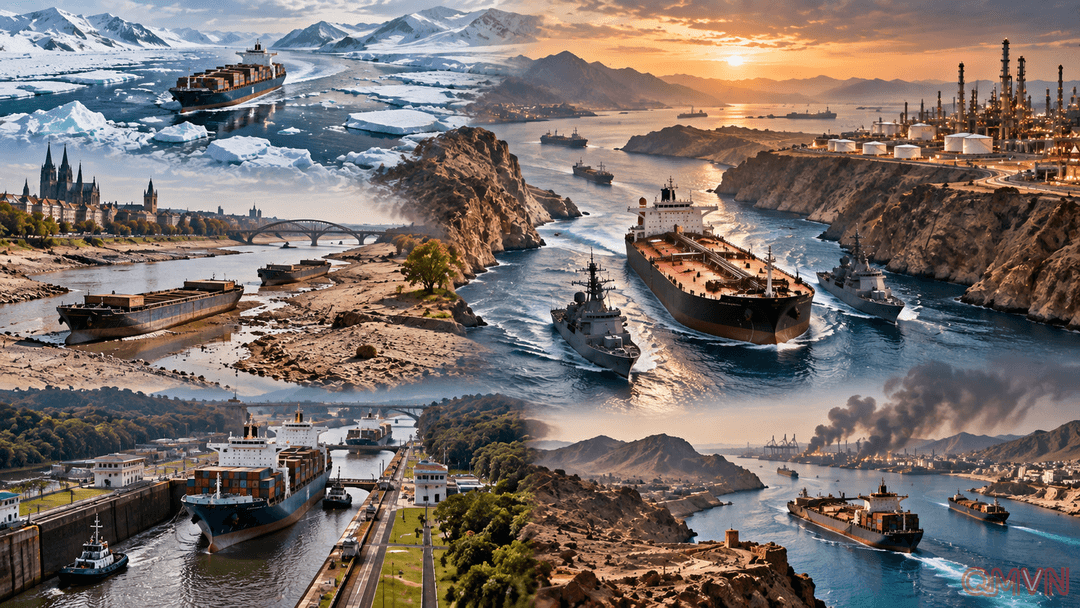
The Strait of Hormuz is the clearest example of geography’s leverage. The narrow waterway connecting the Persian Gulf with the Arabian Sea normally carries roughly one-fifth of globally traded oil. During the 2026 Iran conflict, traffic was sharply disrupted, pushing up oil prices, insurance costs and tanker rates. Reuters reported in early October that crude flows had recovered to about 14.2 million barrels a day, close to 80% of prewar levels, yet the transport system remained strained by security measures and soaring logistics costs.
Farther southwest, Bab al-Mandab forms another pressure point. The strait links the Red Sea to the Gulf of Aden and anchors the southern entrance to the Suez route. Recent fighting between Yemeni government forces and the Houthis has repeatedly altered control around the passage. Even the threat of closure can send vessels around the Cape of Good Hope, adding days at sea and raising fuel, labor, insurance and financing costs.
“We often forget the basic plumbing of the global economy: stuff still needs to get from here to there.” — Shannon O’Neil