China leads a new standards body
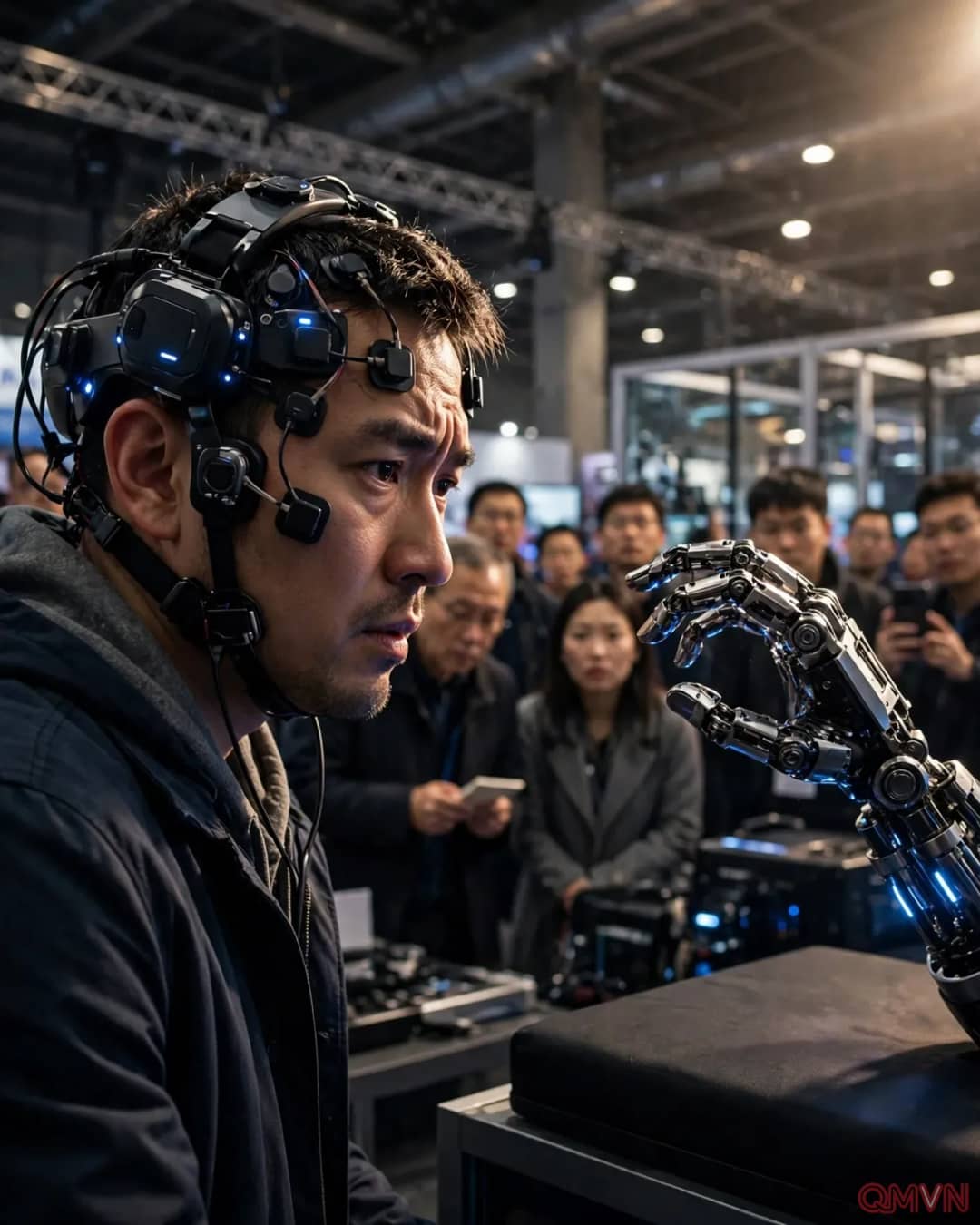
Brain-computer interfaces translate neural signals into commands for external devices, allowing people to control computers, prosthetics or robotic limbs with their thoughts. The China-led subcommittee is tasked with developing global standards on how brains and computers communicate and interact across different uses, according to information published by ISO and the IEC.
Under the chairmanship of Yu Yuntao, a technical director at the China Electronics Standardization Institute, the committee has already released standards covering BCI terminology, data formats for non-invasive brain information collection, a reference architecture and use cases. A US delegation also took part in drafting the BCI standards, reflecting the international nature of the process.
A national priority
Beijing has made brain-computer interfaces a central part of its technology ambitions. Key policy signals include:
- BCI is listed as one of six industries of the future in China’s 15th five-year plan, guiding investment and research priorities.
- This year, the technology was included for the first time in the government work report delivered to the National People’s Congress.