MAIN CONTENT
Inspections become another front in the conflict
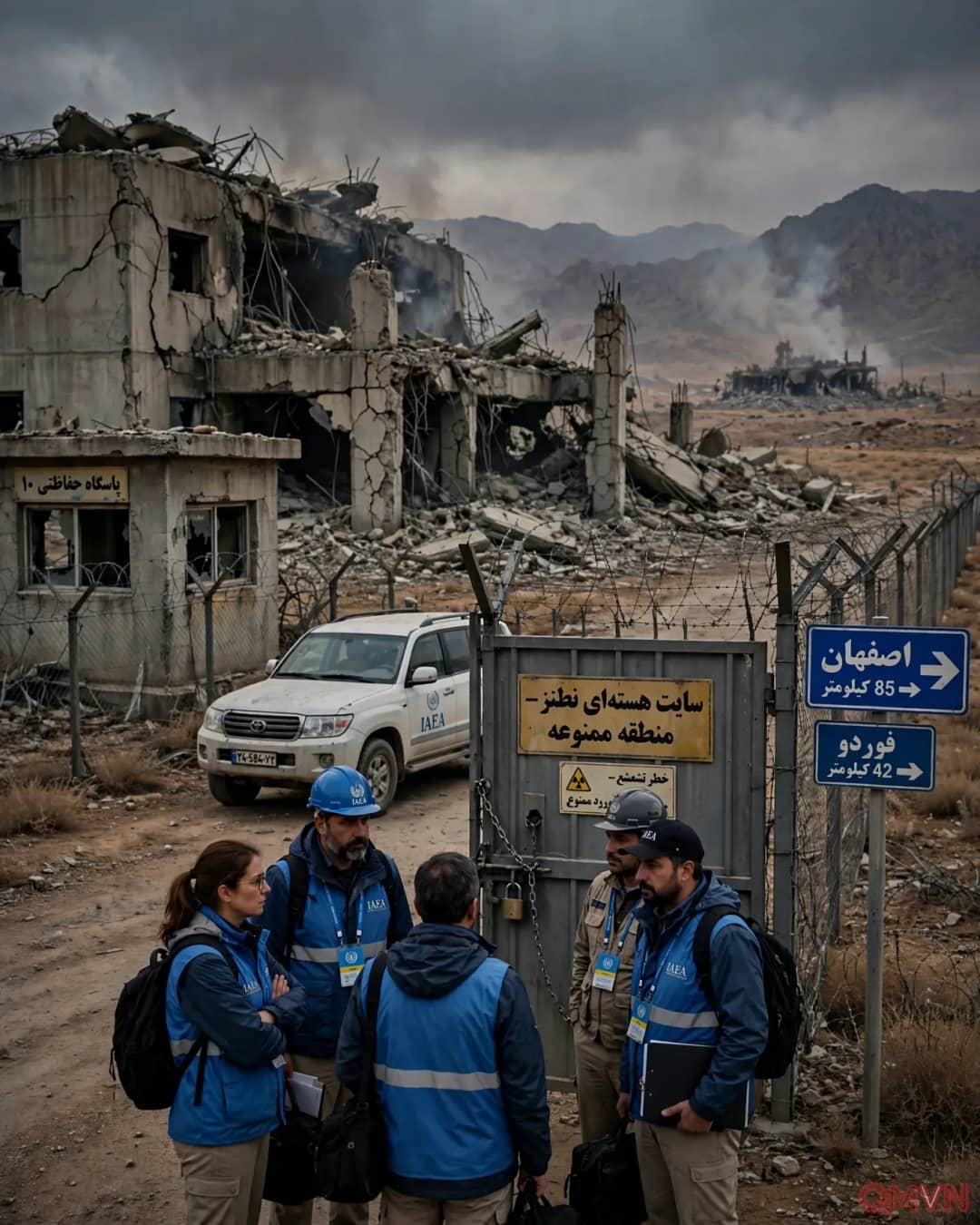
In a televised interview on November 15, Deputy Foreign Minister Kazem Gharibabadi said Iran would not permit inspectors to enter bomb-damaged nuclear sites until hostilities ended and Tehran’s conditions were fulfilled. He suggested that the agency’s request might serve to assess how effective American weapons had been. That suggestion is an allegation by an Iranian official, not an independently established account of the IAEA’s motives.
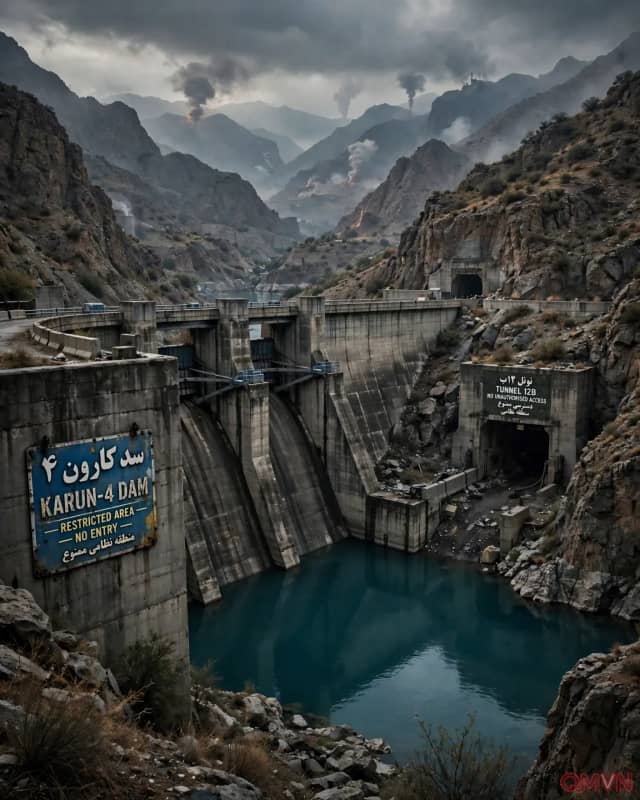
His comments followed a November 13 IAEA report urging technical, incremental steps toward resuming verification. There is an important distinction between blocking access to damaged facilities and terminating every inspection. Agency specialists inspected the Bushehr nuclear power plant in September. Yet access to the crucial sites at Natanz, Fordow and Isfahan remains unavailable, leaving inspectors unable to perform key safeguards work.
Why the missing information matters
The central issue extends beyond documenting physical damage. Inspectors must establish where declared nuclear material is located, whether it has moved and whether its inventory remains under credible safeguards.