A promise timed to the ballot box—and its limits
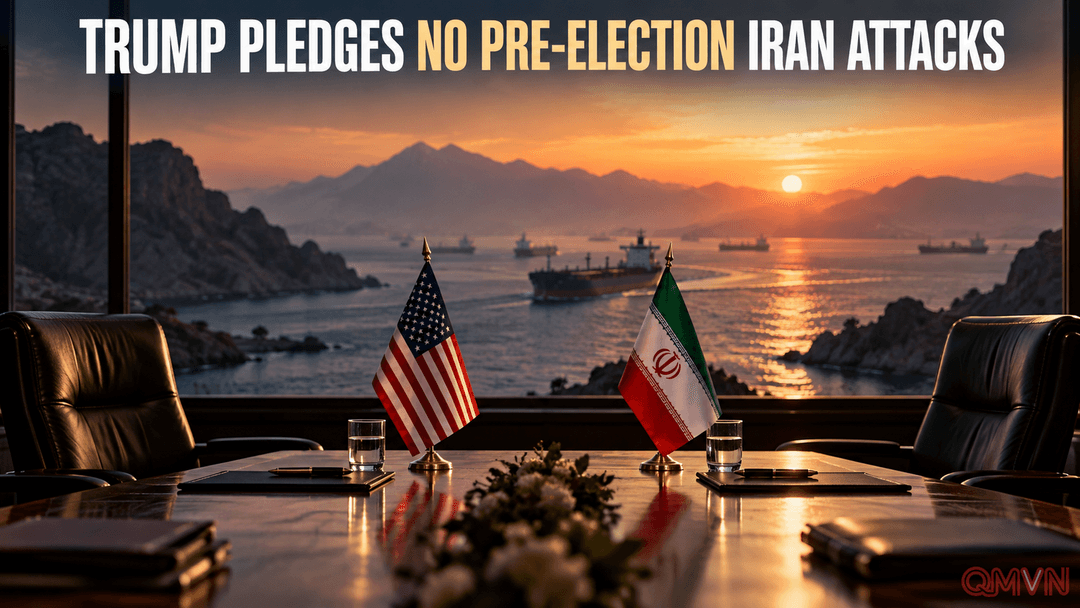
On October 8, Donald Trump used Truth Social to describe US–Iran discussions in upbeat terms and set a specific deadline for restraint: Washington would not attack Iran before the November 3 vote. Reuters reported the statement as the administration searched for a way through a war that has become increasingly controversial at home. The precision of the date made the announcement politically striking, even though the diplomatic substance remains uncertain.
The distinction is important. A unilateral pledge covering several weeks is not a mutually accepted ceasefire with monitoring arrangements. Trump did not present a jointly signed document, implementation procedures or corresponding guarantees from Tehran. His announcement may ease fears of another immediate US strike, but it cannot by itself halt every military operation in the region or settle the wider confrontation.
We will not be attacking Iran at any time prior to the midterm elections to be held in the United States on November 3rd.
Events unfolding alongside the announcement underline that fragility. Reports by Reuters and The National indicated that American pressure on Iranian maritime access had not been lifted. Talks proceeding alongside continuing economic and security restrictions point to an approach that combines leverage with negotiation. It would therefore be premature to read the president's words as a restoration of ordinary relations between the two governments.