Political and Legal Context Driving Trump to Tariff Measures
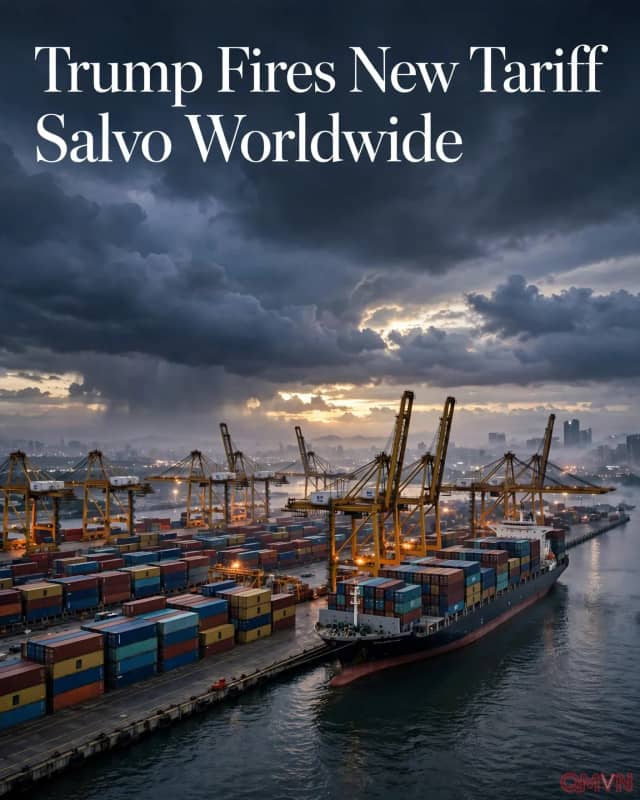
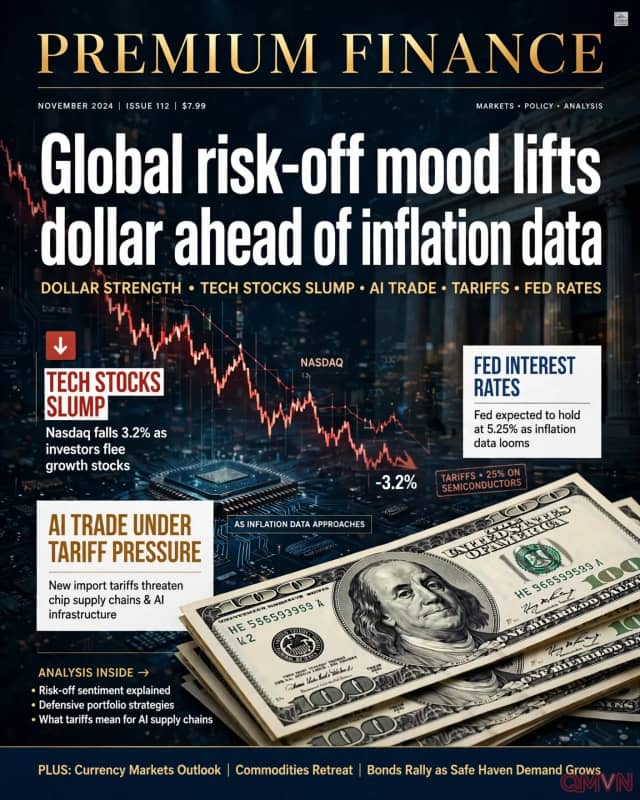
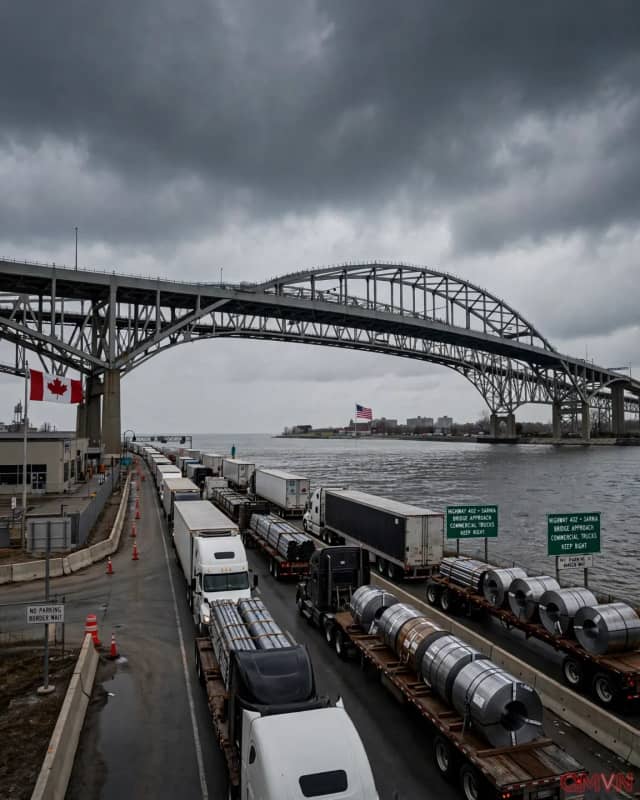
U.S. President Donald Trump is using import tariffs as a leading tool in his trade strategy amid heavy pressure from multiple fronts. Recently, he imposed 25% tariffs on many imported goods from Brazil and up to 50% tariffs on some Canadian products. This is a move to increase pressure in the trade war he initiated in his first term.
However, last year, the U.S. Supreme Court ruled that tariffs imposed under the International Emergency Economic Powers Act (IEEPA) were unconstitutional, significantly weakening Trump's initial tariff strategy. In response, Trump shifted to using a different provision in the 1974 Trade Act to impose temporary 10% tariffs, but they require congressional approval within 150 days, with the deadline falling this week.
New Tariff Strategy Based on Trade Investigations
Faced with the risk of Congress not passing it, the Trump administration expanded its strategy by using Section 301 of the Trade Act to initiate investigations to identify countries violating regulations related to forced labor or excessive production practices harmful to American businesses. Among the 60 countries under investigation are China, Mexico, the European Union, the United Kingdom, India, and Japan.