MAIN STORY
Two victory speeches, one unresolved election
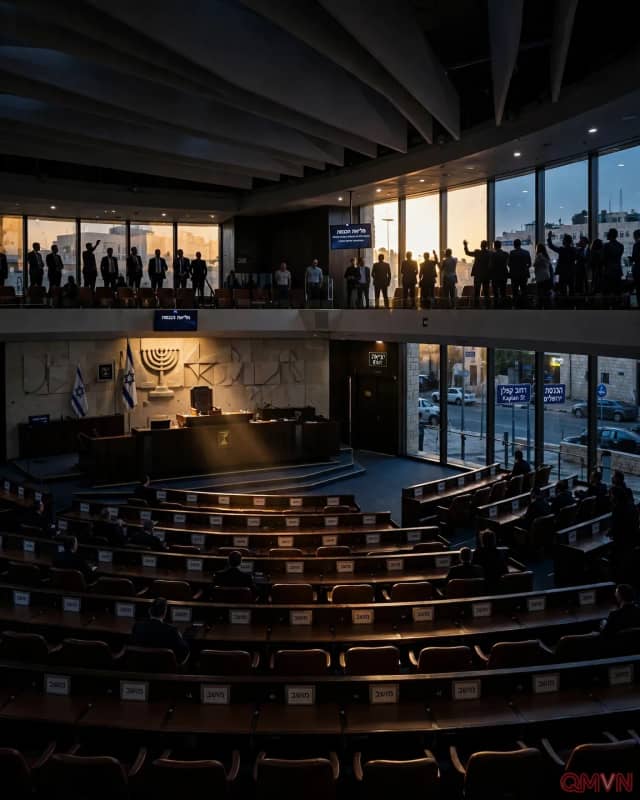
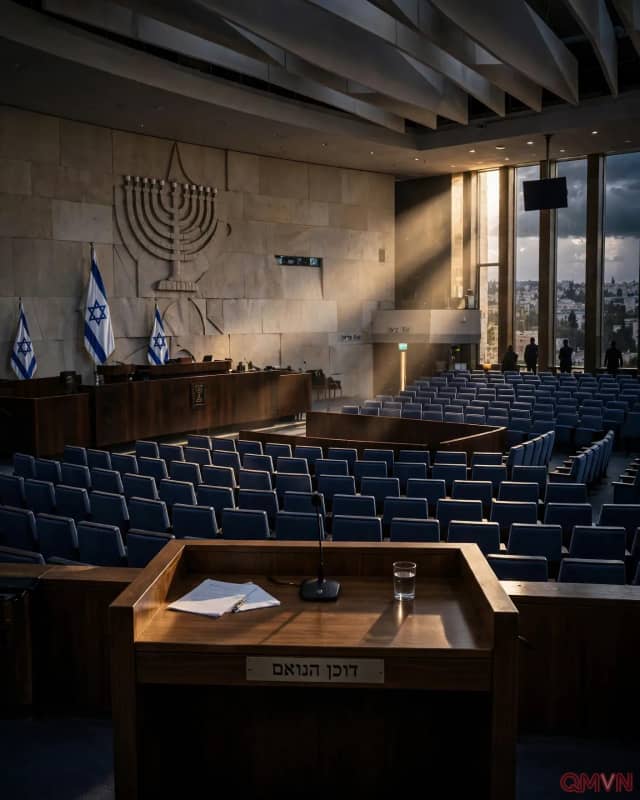
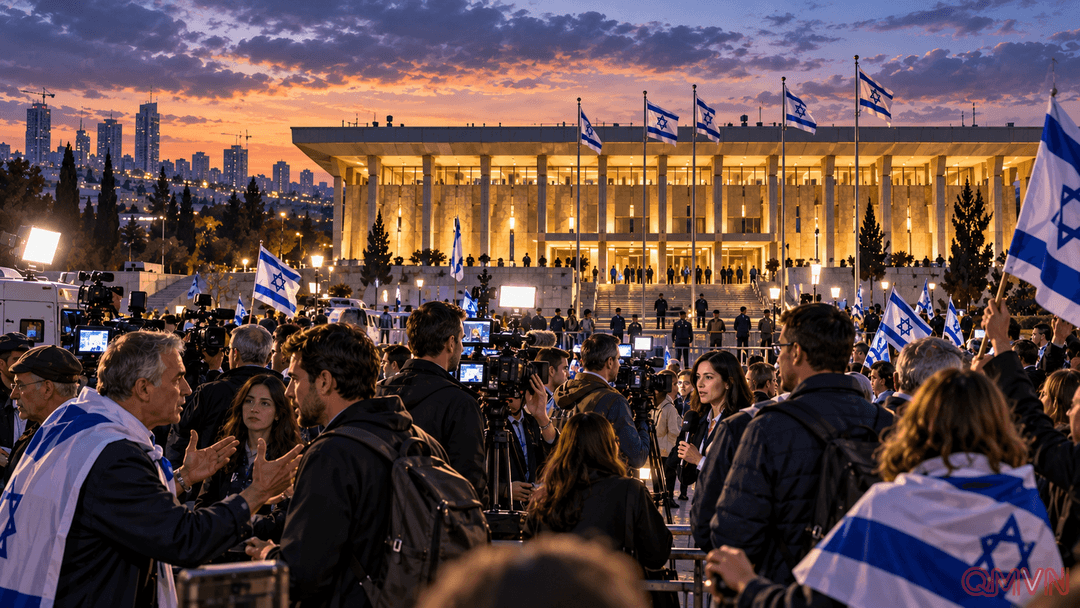
The election-night scenes in Israel exposed a paradox: Netanyahu and Eisenkot each addressed enthusiastic supporters, even though televised projections pointed to a stalemate. Reuters reported that Kan and Channel 13 had the rival blocs level at 51 seats apiece, while Channel 12 put Netanyahu’s camp ahead by 52 to 49. These were exit polls, not certified results, and could shift as votes were counted.
Netanyahu’s Likud was projected to remain the largest individual party, with approximately 27 seats, ahead of Eisenkot’s Yashar. But being the largest party is not equivalent to commanding the Knesset. Netanyahu called for a strong right-wing national government; Eisenkot argued that voters had rejected Netanyahu’s continued leadership. Both accounts sought political momentum from numbers that had yet to yield a government.
Smaller parties hold the difficult choices
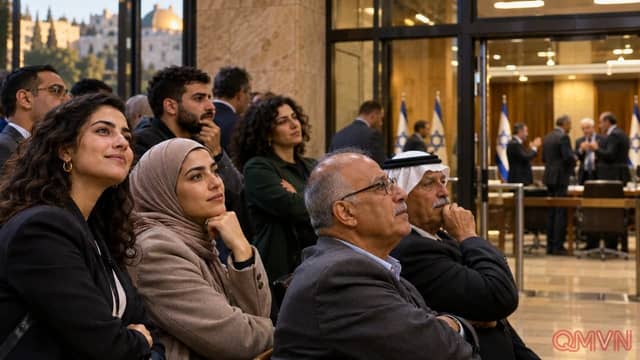
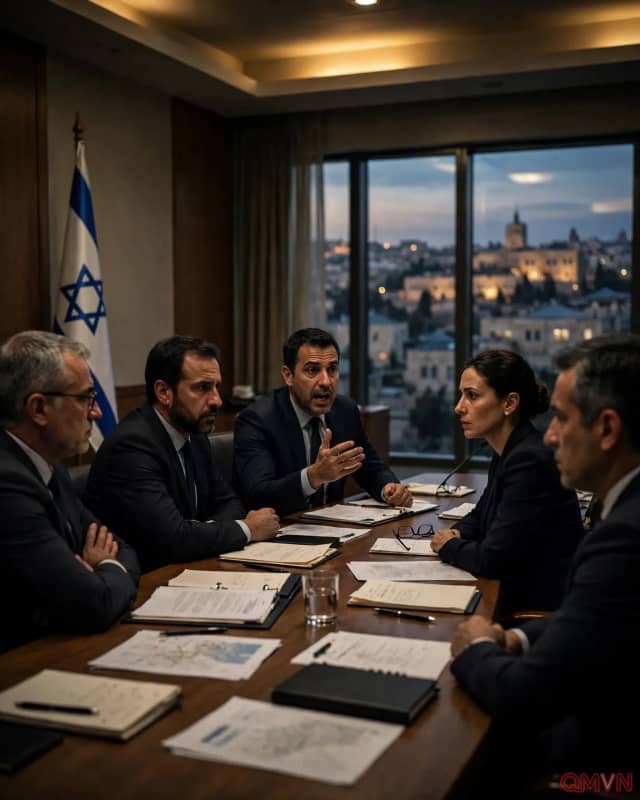
The arithmetic grows particularly delicate around the Arab-led parties, projected to control roughly 18 seats. Their representation could influence the formation of a majority, yet political leverage cannot be measured by seat totals alone.