MAIN CONTENT
A march through sites of democratic memory
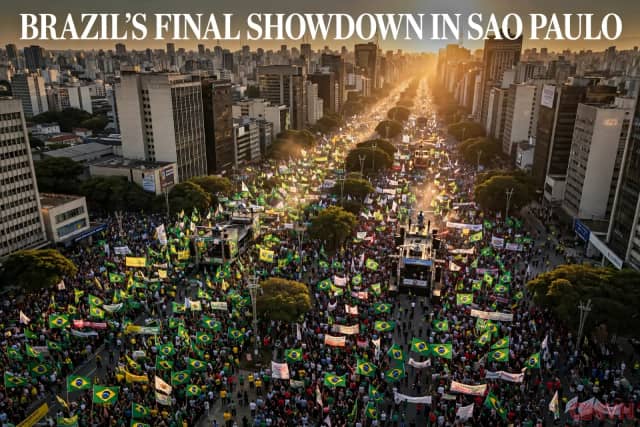
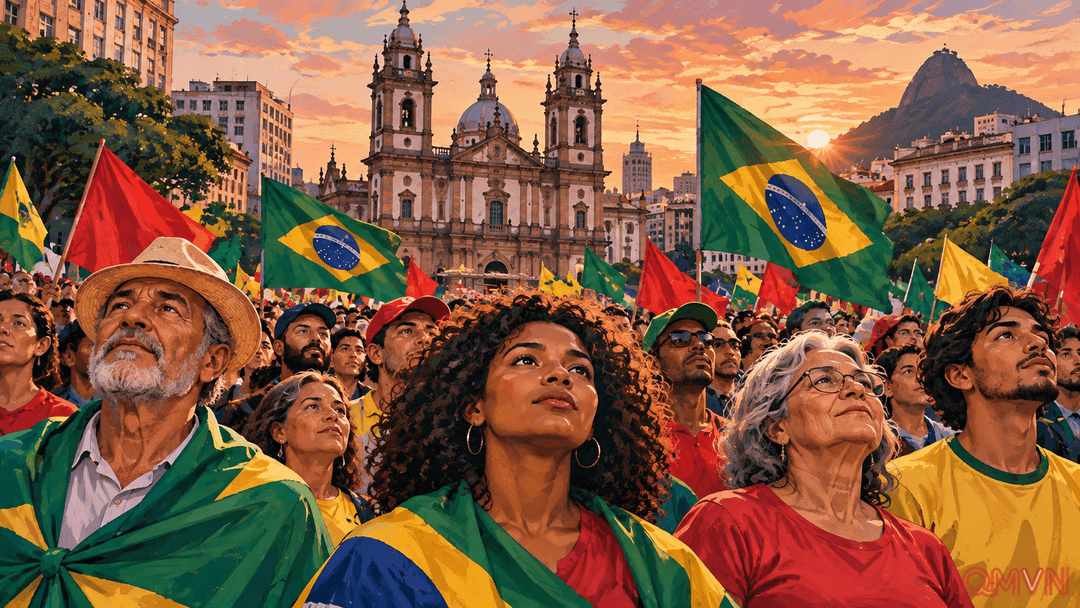
On October 2, Lula joined supporters in Rio de Janeiro during the closing stage of the presidential campaign. The march began near Candelária, associated with mass demands for direct elections in 1984, and continued toward Cinelândia, where a major protest against military government took place in 1968. Organizers thus used the physical geography of the city to connect a present electoral argument with an earlier struggle for political rights.
In an interview before the demonstration, Lula said he believed he could block the return of forces he described as “fascists.” That is the president’s contested characterization of his opponents, not an independent classification. Addressing the gathering, he spoke about defending democracy, a theme that has resonated across Brazil’s polarized political debate since the 2022 election.
Some participants carried flags and signs recalling their families’ experiences during military rule from 1964 to 1985. People interviewed by The Guardian voiced concern that institutions could weaken under a different administration. Their accounts illuminate why they attended the rally, without representing the views of Brazil’s entire electorate.