MAIN ARTICLE
Religion crosses an established party boundary
In Kansas, Adam Hamilton secured a remarkable victory in a state that had not elected a Democratic U.S. senator for generations. The pastor of a large United Methodist congregation campaigned less as a religious combatant than as a bridge-builder, emphasizing fiscal responsibility, compromise and social obligations. He positioned himself as a moderate while defending women's ability to navigate difficult reproductive decisions without politicians making those choices for them.
In Texas, James Talarico made the Christian injunction to love one's neighbor central to an argument about immigration, human rights and public decency. A Presbyterian seminarian, he used religious language to promote inclusive policy positions while rejecting the idea that conservative interpretations speak for every believer. Winning in a historically Republican state showed how a candidate could combine a recognizable faith identity with progressive political priorities.
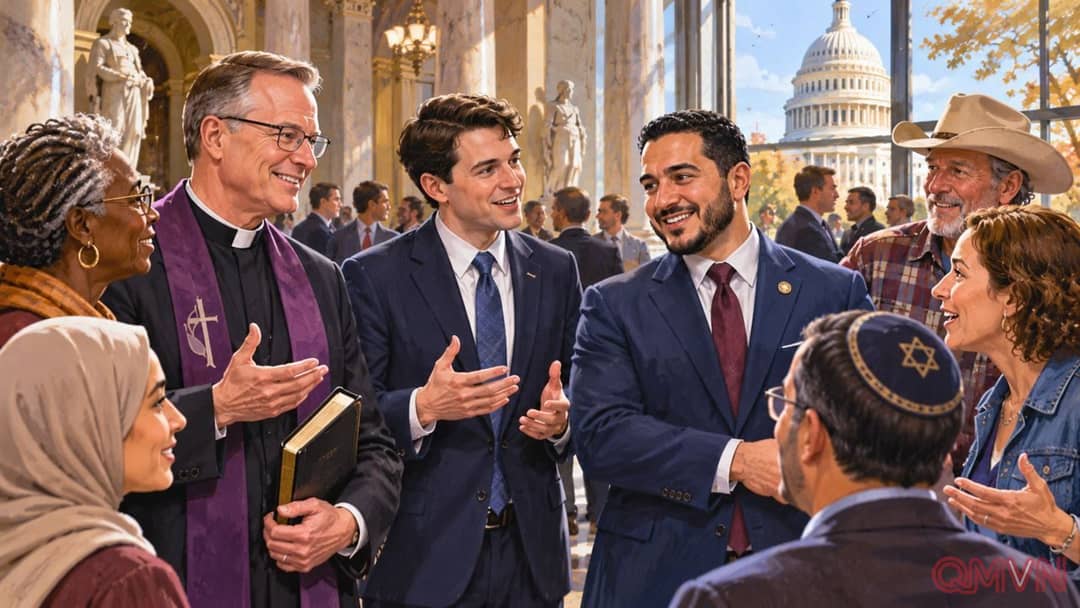
The breakthrough extends beyond Christianity
Michigan's election of Abdul El-Sayed added a different historical first: a Muslim won a seat in the U.S. Senate. His victory broadens the significance of this election beyond arguments among Christians over how scripture should guide government.