MAIN CONTENT
A boundary between peace negotiations and Europe’s institutions
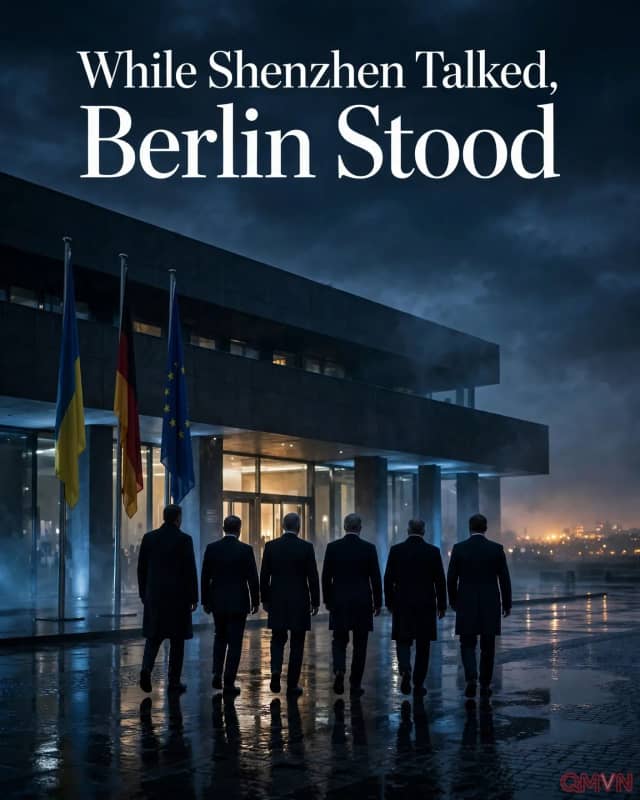
Speaking at the informal European Union gathering, Merz dismissed calls to renegotiate the foundations of continental security. His position drew a distinction between arrangements needed to stop fighting in Ukraine and Russia’s wider demands about the military and political order around its borders. NATO and the established European security principles, he argued, are not matters for Moscow and Washington to redesign on behalf of others.
Kallas took a sequencing approach: stop the shooting, pursue a peace agreement and only then discuss wider security questions if necessary. Her warning reflected concern that a sweeping agenda could displace immediate questions of civilian protection, territory and enforceable commitments. The disagreement is therefore about both substance and timing, not simply who gets a seat at the table.
A shared declaration, but no single negotiator
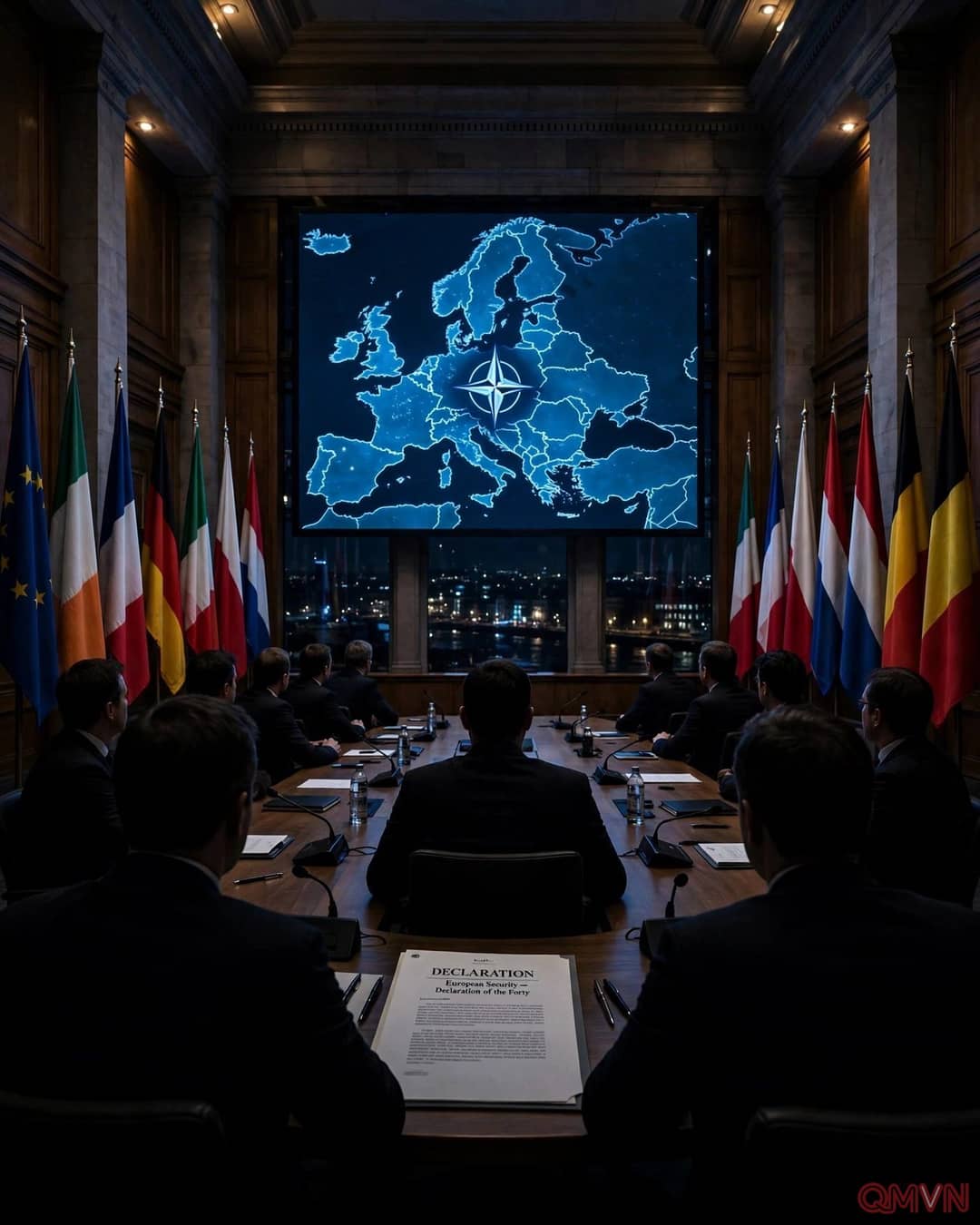
Countries gathered in Dublin adopted a declaration asserting that decisions affecting European security require European participation. The statement gave collective form to a principle leaders repeatedly invoked, but it did not appoint a negotiator.