MAIN ARTICLE
A deadly tally prompts new rules
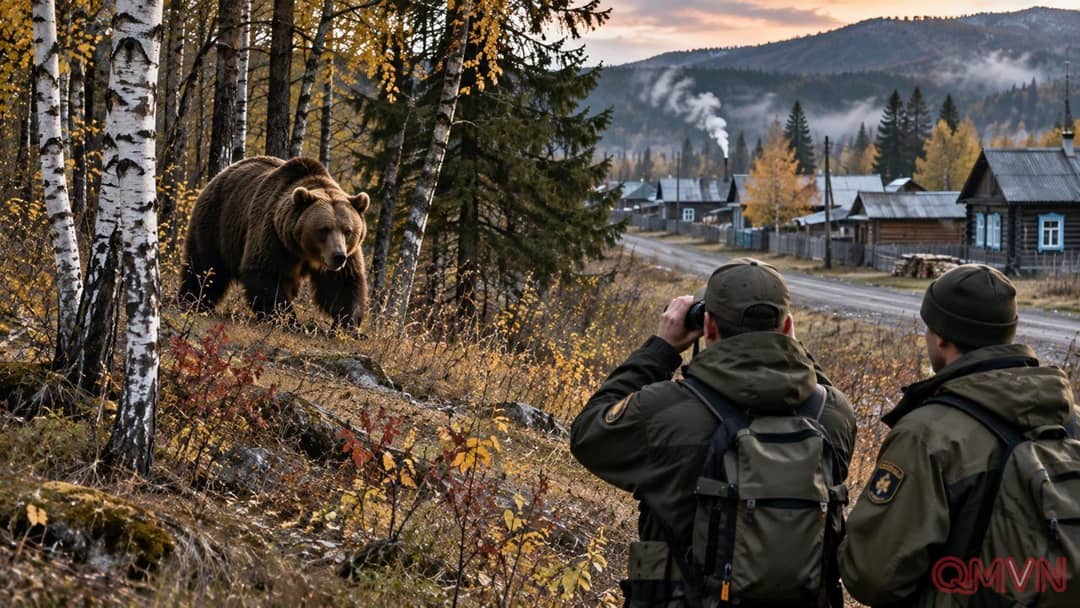
Figures provided by Russia’s Natural Resources Ministry and reported by Interfax and Reuters on November 13 show more than 12,000 notifications of brown bears approaching areas used by people this year. Authorities counted 87 attacks and 36 fatalities. Those numbers have intensified pressure on forestry officers, regional administrations and households in remote settlements. They do not, by themselves, establish how many individual animals caused the incidents or whether encounters were evenly distributed geographically.
The new framework sets the maximum allowable removal at 30 percent of a region’s brown bear population. Previous regional quotas included 14 percent in Kamchatka and 19 percent in Krasnoyarsk. A higher ceiling does not mean every region must reach it. Decisions about actual removals should still depend on population surveys, licensing, local risks and the capacity to monitor consequences.
Why are bears appearing near villages?
Several explanations may overlap: shorter and milder winters, shifts in wild food supplies, forest fires and greater human activity along forest margins. When poorly secured rubbish or discarded food is available near homes, bears may learn that settlements provide an unusually easy meal.