MAIN CONTENT
An investor at a strategic crossroads
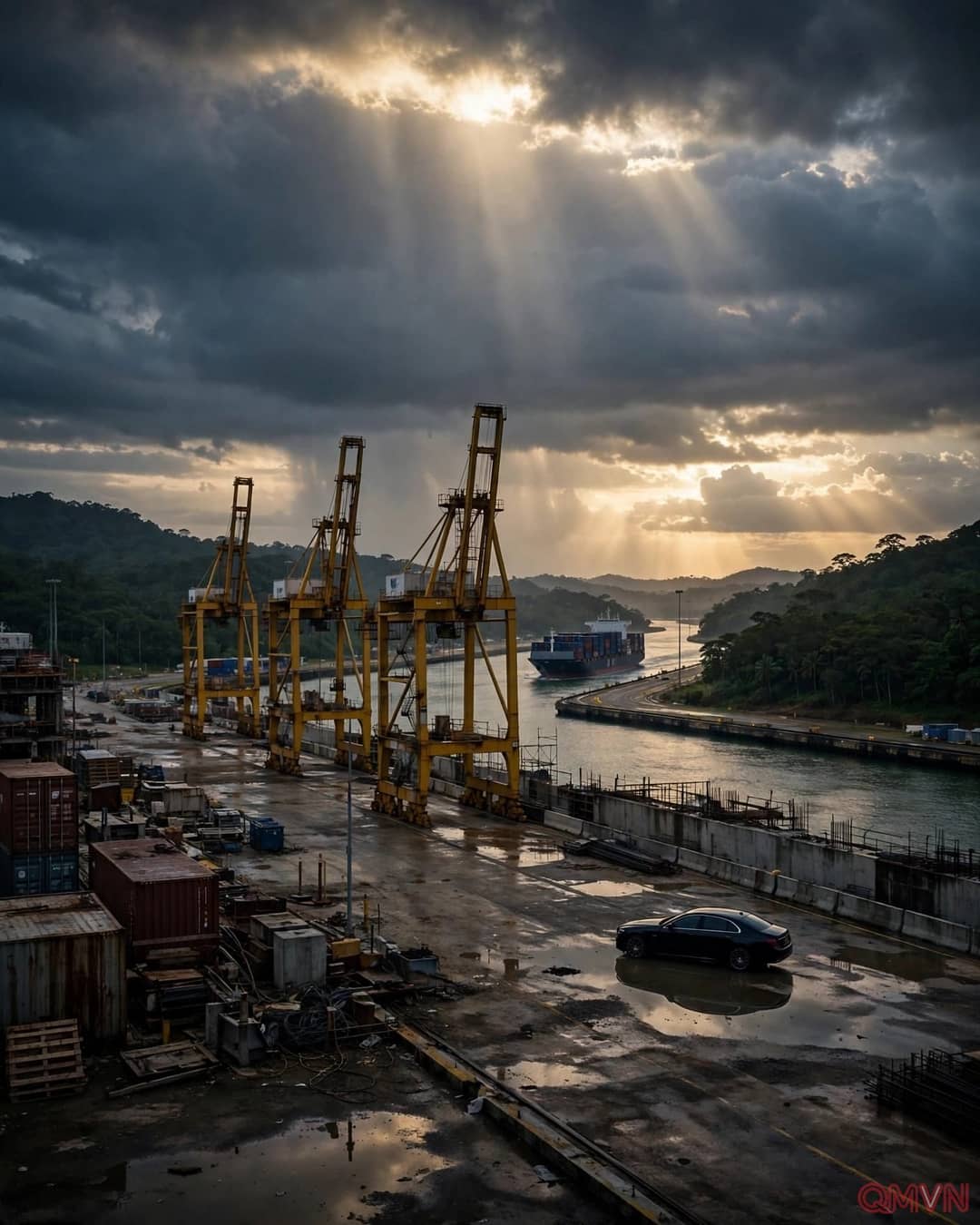
In 2016, Zhang arrived in Panama to oversee investments backed by Chinese capital. The lawyer and dealmaker secured approval for a container-terminal project on Margarita Island, a location whose value was not merely commercial. Sitting near the canal’s Atlantic approach, it promised access to shipping flows that bind Asian factories, American consumers and Latin American markets. He also promoted a gas-fired power plant, presenting his ventures as engines of jobs and cheaper energy.
The political moment appeared favorable. Panama established diplomatic relations with Beijing in 2017, ending its recognition of Taiwan, and joined China’s Belt and Road Initiative. The projects attracted attention because port infrastructure can be simultaneously an economic asset, a logistical chokepoint and a source of strategic leverage. Yet approval and publicity were not the same as completed construction: the Margarita Island venture later stalled as political support and financing weakened.
The deal that turned partners into adversaries
Panama’s political climate changed after President Juan Carlos Varela left office in 2019. Zhang’s principal financial backer, Gao Tianguo, also encountered severe financial problems in China.