A funeral payment that no longer covers a funeral
For eligible low-income households in England, Wales and Northern Ireland, the funeral expenses payment covers reasonable cemetery or crematorium fees plus up to £1,000 for other funeral costs, such as the coffin, the hearse and the funeral director's services. Scotland runs its own scheme. While the fees element tracks actual costs, the £1,000 cap has risen only once in 23 years and has been frozen since 2020.
Lindesay Mace, co-manager of Down to Earth, a funeral costs support service run by the charity Quaker Social Action, said the payment was originally intended to pay for a simple funeral.
*"Today, that is a pipe dream." – Lindesay Mace, co-manager of Down to Earth*
According to a recent report by the Social Security Advisory Committee, essential funeral director services now average £2,605, meaning the capped payment covers less than 40 per cent of that bill. Had the cap risen in line with consumer price inflation, it would be worth about £1,300. Industry research by the insurer SunLife puts the average cost of a simple attended funeral at £3,828.
Support for widowed parents losing value
The bereavement support payment, which helps people after the death of a spouse, civil partner or, in some cases, cohabiting partner with children, has not changed since 2017. Its higher rate, for those with children, consists of a £3,500 lump sum and up to 18 monthly payments of £350, a total of £9,800.
The advisory committee calculates that, had it kept pace with inflation, it would now be worth £13,448.
The consequences are personal and painful. The Down to Earth helpline, which supports around 1,000 people a year, recently helped a mother whose daughter died unexpectedly. Even with a simple funeral and the state payment, she was left about £1,000 short and is still saving to place a headstone on the grave.
Goodbyes without mourners
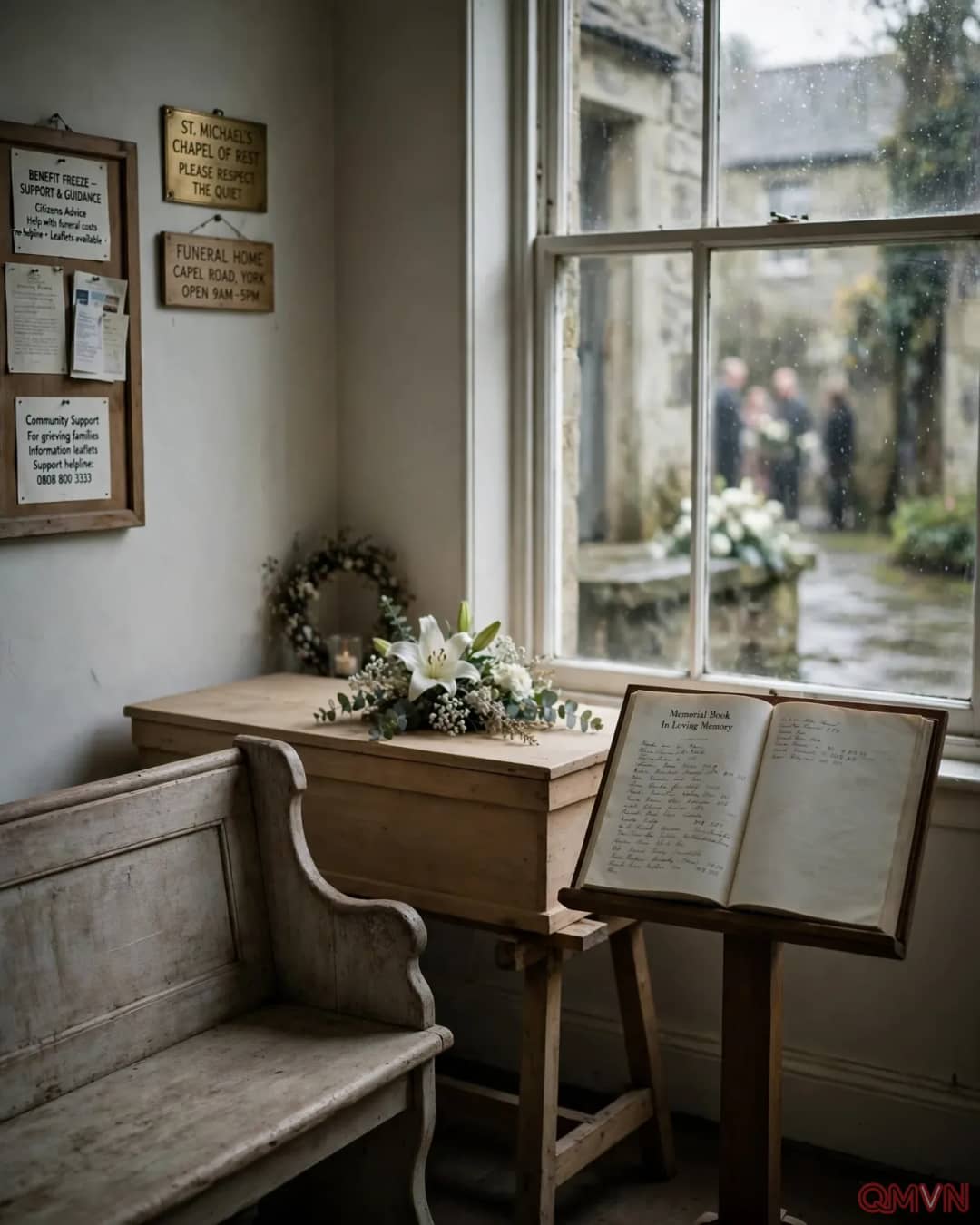
Funeral directors warn that financial pressure is changing how Britons mourn. Terry Tennens, chief executive of the National Society of Allied and Independent Funeral Directors, says more families are choosing unattended, or direct, cremations because they are cheaper. These have no service and often no place for relatives to gather or remember, which can make grieving harder. The advisory committee's report found that many families face difficult choices:
- borrowing money, sometimes from illegal lenders, to pay for a funeral;
- selling valuables that belonged to the person who died;
- going without a headstone, memorial or gathering.
The government's position and the debate in Parliament
The Department for Work and Pensions says the bereavement support payment is meant to provide short-term help with the immediate costs of a death, that its rate is reviewed each year on a discretionary basis, and that longer-term needs can be met through means-tested benefits such as universal credit. Campaigners, including widowed parents behind the petition, want the payment uprated every year and extended beyond 18 months. The Westminster Hall debate does not change the law on its own, but it puts pressure on ministers to explain whether these frozen benefits will be reviewed.