MAIN CONTENT
A modest loaf in a difficult household budget
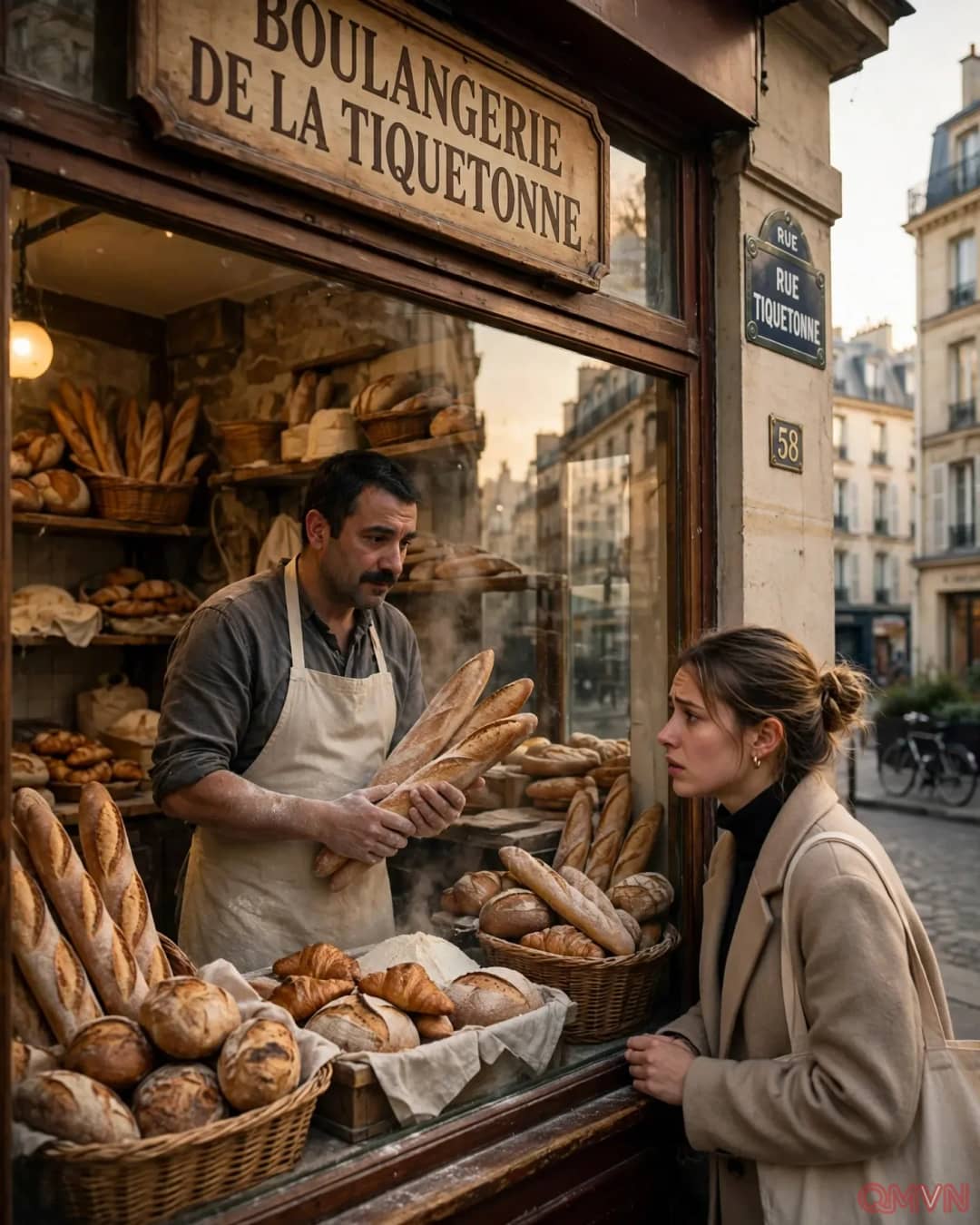
In Boulogne-Billancourt, a prosperous suburb of Paris, a 26-year-old unemployed woman told The Times that buying baguettes herself had become unaffordable. Bread remained on her family table because she lived with her parents, but paying for it independently would be another matter. A €1.20 loaf may seem a negligible purchase for higher earners; to someone dividing a limited income among transport, bills and food, it presents a real choice. A quinoa-flour baguette at a premium bakery was priced at €1.90.
Pressure extends well beyond the bakery counter. When meat, electricity and other essentials become dearer, families alter the composition of meals as well as their shopping lists. Another shopper described buying a baguette only once or twice a week, partly because dishes with rich sauces that normally call for bread had also become less affordable. That observation reveals something statistics alone can miss: inflation can quietly reshape everyday food culture long before an established ritual disappears entirely.
A food-price argument becomes a political one
A January survey by Elabe, cited by The Times, found that around 5% of respondents said they had stopped eating bread because of its price. The newspaper also reported average consumption of about 100 grams of bread per person a day, compared with roughly 700 grams in the period after the Second World War.