MAIN CONTENT
A diplomatic setback becomes a domestic leadership fight
On November 23, Albanese portrayed the COP31 outcome as evidence of difficult geopolitical times rather than the failure of a single Australian negotiator. He highlighted cooperation with Pacific leaders and argued that climate action is the price of credibility in a region exposed to rising seas. It is an uncomfortable balancing act for Canberra: its neighbors regard warming as an immediate threat to their homes, while the Australian economy remains closely connected to coal and gas exports.
The Coalition’s energy spokesperson, Dan Tehan, demanded that Bowen resign or be dismissed, describing the outcome as a catastrophic diplomatic disaster. However, The Guardian reported that Tehan offered no specific alternative bargaining strategy beyond saying Australia should not have sought a leadership role. The Greens reached a harsh judgment from a very different premise, arguing that Labor had failed to confront climate destruction. The dispute illustrates how one diplomatic defeat can be used to support sharply conflicting political arguments.
Why a few words could not be agreed
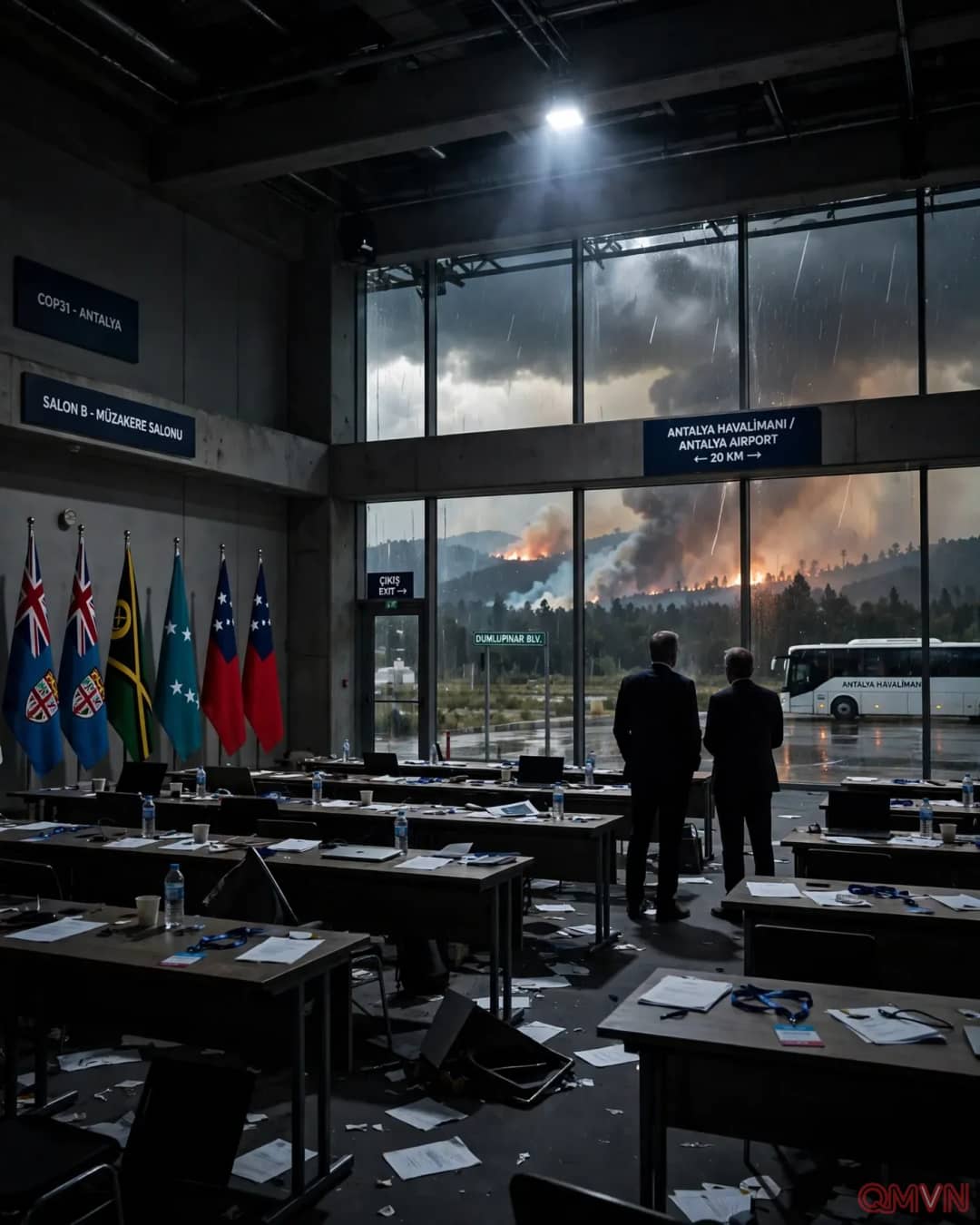
The Antalya conference closed on November 22 after more than two weeks of negotiation and two additional days of overtime, making it the longest COP on record. Australia and Turkey shared leadership functions: Bowen was president of negotiations, while Turkey’s Murat Kurum presided over the conference.