MAIN TEXT
A count needs a method
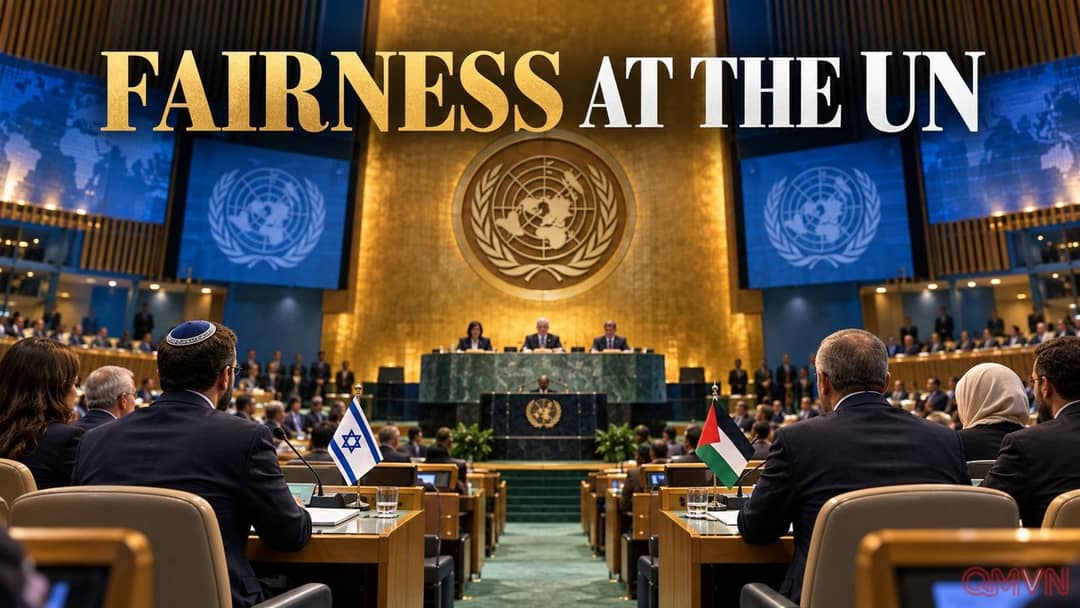
The Wall Street Journal cites UN Watch’s figure of 187 General Assembly resolutions critical of Israel since 2015. This is the tally and classification of an organization that campaigns on the U.N.’s treatment of Israel. Readers need the underlying texts, years and definition of “critical” before comparing countries. A humanitarian measure, a rights resolution and a political declaration may carry different purposes and consequences. A responsible comparison should also distinguish resolutions of the General Assembly from measures adopted by other U.N. bodies.
UN Watch separately reported 17 critical resolutions concerning Israel in 2024, against seven on other countries under its methodology. That gap warrants examination. It does not show that every resolution is unfounded, nor does it explain why many governments vote on questions of occupation and Palestinian self-determination. Publishing the texts and votes makes the discussion more useful than trading sweeping conclusions.
Fairness cannot mean ignoring violations
In July 2024, the International Court of Justice concluded in an advisory opinion that Israel’s continued presence in occupied Palestinian territory is unlawful. The opinion is not a finding on every allegation in the present conflict, but it is crucial context for repeated General Assembly attention.