MAIN ARTICLE
A November tragedy that refuses to fade
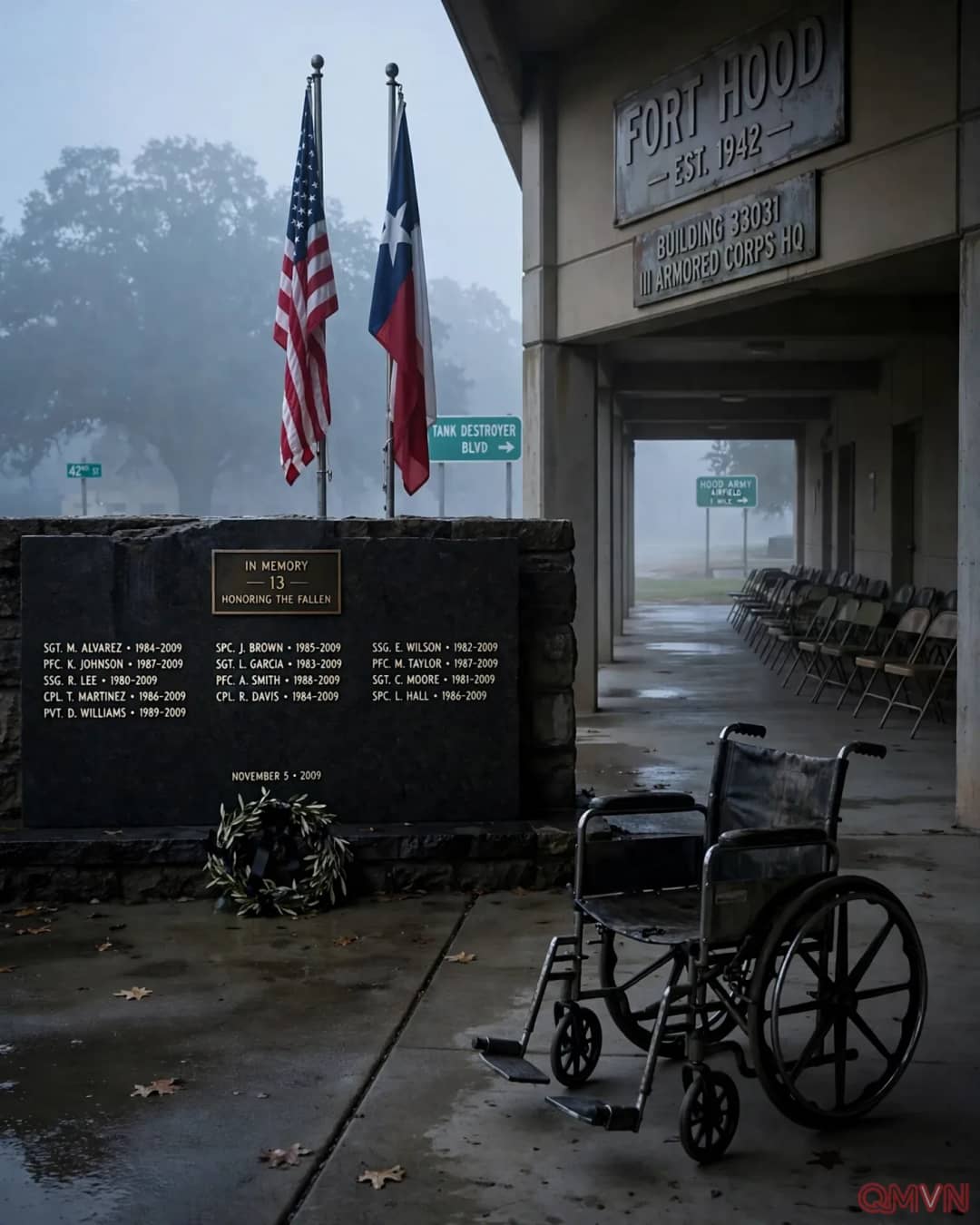
On November 5, 2009, a shooting at Fort Hood killed 13 people and wounded dozens more. Hasan, then an Army major and psychiatrist, was convicted by a military court in 2013 and sentenced to death. The gravity of his crimes is not the central dispute today. Rather, Americans are divided over what the final punishment should accomplish for bereaved families, survivors and the justice system itself.
Among those interviewed by The Times, Keely Cahill Vanacker said she did not need Hasan's execution to find closure after the murder of her father, Michael Cahill. Teena White, whose son Aaron Nemelka was killed, supported the death penalty and wanted the sentence implemented. Their contrasting responses show why one tragedy cannot produce a single, uniform definition of justice among victims' families.
Why a planned livestream was abandoned
The US Army scheduled Hasan's execution by firing squad at Fort Hood for December 3. In October, a proposal to broadcast the killing provoked questions about precedent and public decency. On October 15, Trump canceled the livestream plan. Reporting by the Associated Press and Reuters described objections from across political and religious lines, rather than one partisan camp alone.
Hasan's lawyer, John Galligan, has described his client as paralyzed and dependent on a wheelchair. That creates practical questions about transport, medical needs and how the sentence would be administered. The decision not to broadcast it, however, did not commute the sentence or cancel the stated method of execution. Further legal proceedings, if pursued, could still affect the scheduled date.
Public opinion shifts beneath an old argument
A Gallup poll released in November found that 49% of American adults favored the death penalty for convicted murderers, while 45% opposed it. Support has slipped below a majority for the first time in decades, with substantial differences across age groups and political affiliations. Polling measures public attitudes; it does not determine Hasan's legal status.
Opponents cite the possibility of judicial error, the prolonged suffering associated with death-penalty litigation, the psychological burden on execution personnel and the danger of turning punishment into entertainment. Supporters emphasize accountability for exceptionally serious crimes, the desire of some families to see a sentence enforced and an anticipated deterrent effect. Whether executions actually deter crime remains disputed in research and public policy.
State policies reveal a widening political divide
The Times described starkly different approaches by American governors: California's Gavin Newsom moved to commute death sentences, Florida's Ron DeSantis defended executions, and Ohio's Mike DeWine expressed doubts about capital punishment's deterrent value. Those contrasting choices indicate that the death penalty is also becoming a prominent dividing line in debates about political leadership and the 2028 elections.
Civilian state systems and the federal military justice system operate under different legal arrangements. A highly unusual military case should not be taken as a simple proxy for every death-penalty decision in the country. Yet the prospect of a wheelchair user before a firing squad has brought an abstract argument into family conversations: how far should the state go to punish, and what limits should it maintain even when guilt is established?
Justice cannot be reduced to a spectacle
The scheduled December 3 execution carries unusual historical weight because the US military has not carried out a death sentence for many decades. Abandoning the livestream underscores that even people who support severe punishment can recoil when the process is framed as an event for public viewing.
The story's essential subjects remain the 13 people who died, those who were wounded and the relatives who continue to live with loss. A responsible debate can honor that suffering while examining legal safeguards, accountability and the boundaries of state power. No public broadcast could replace the private, difficult work of recovery.