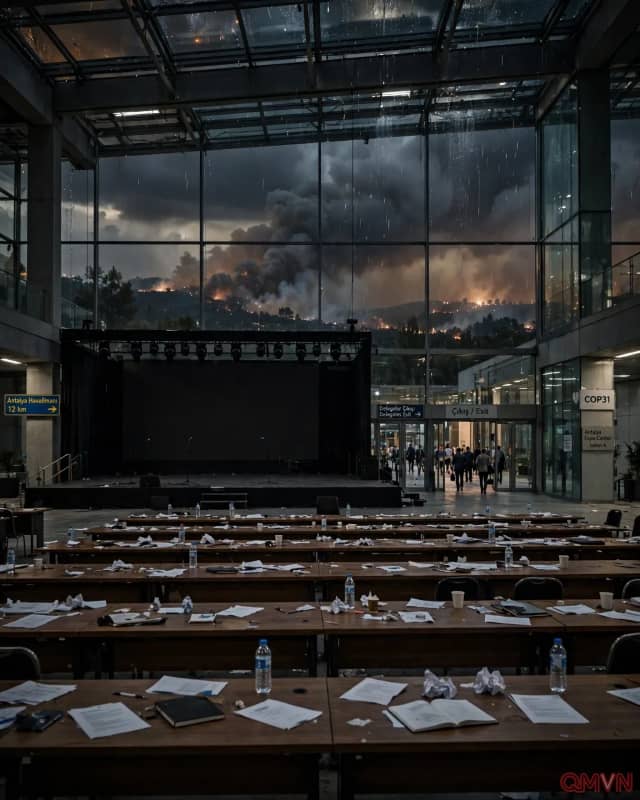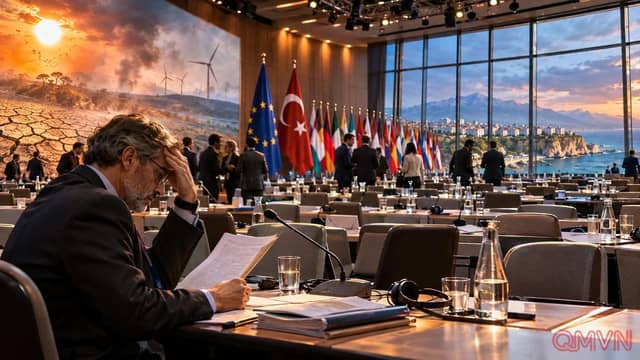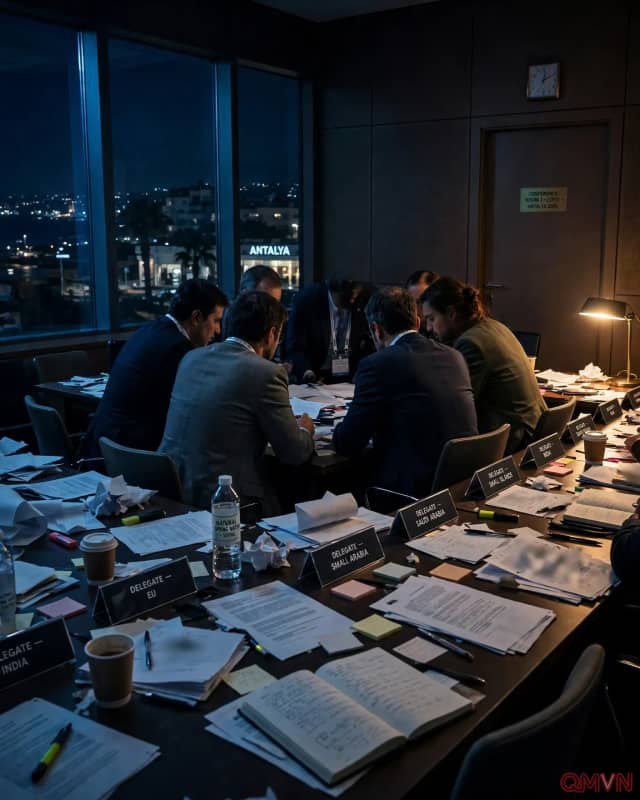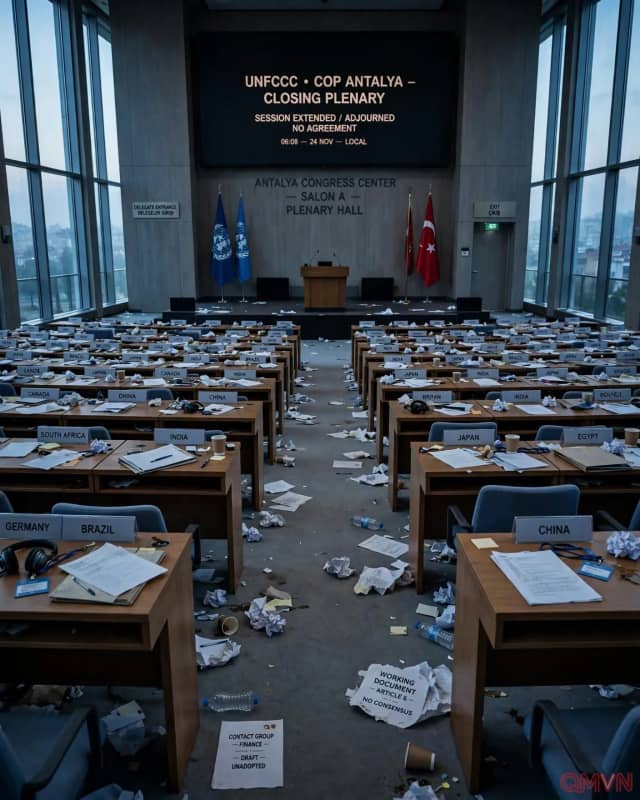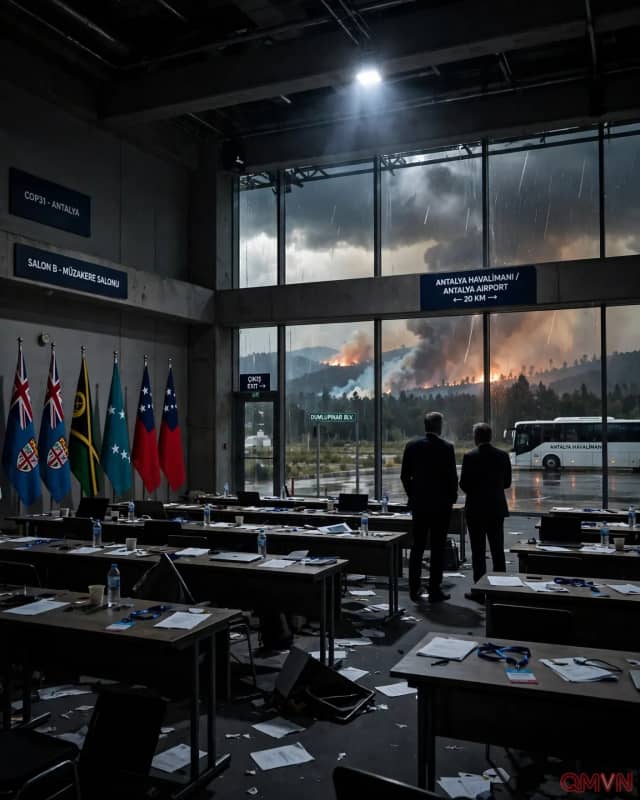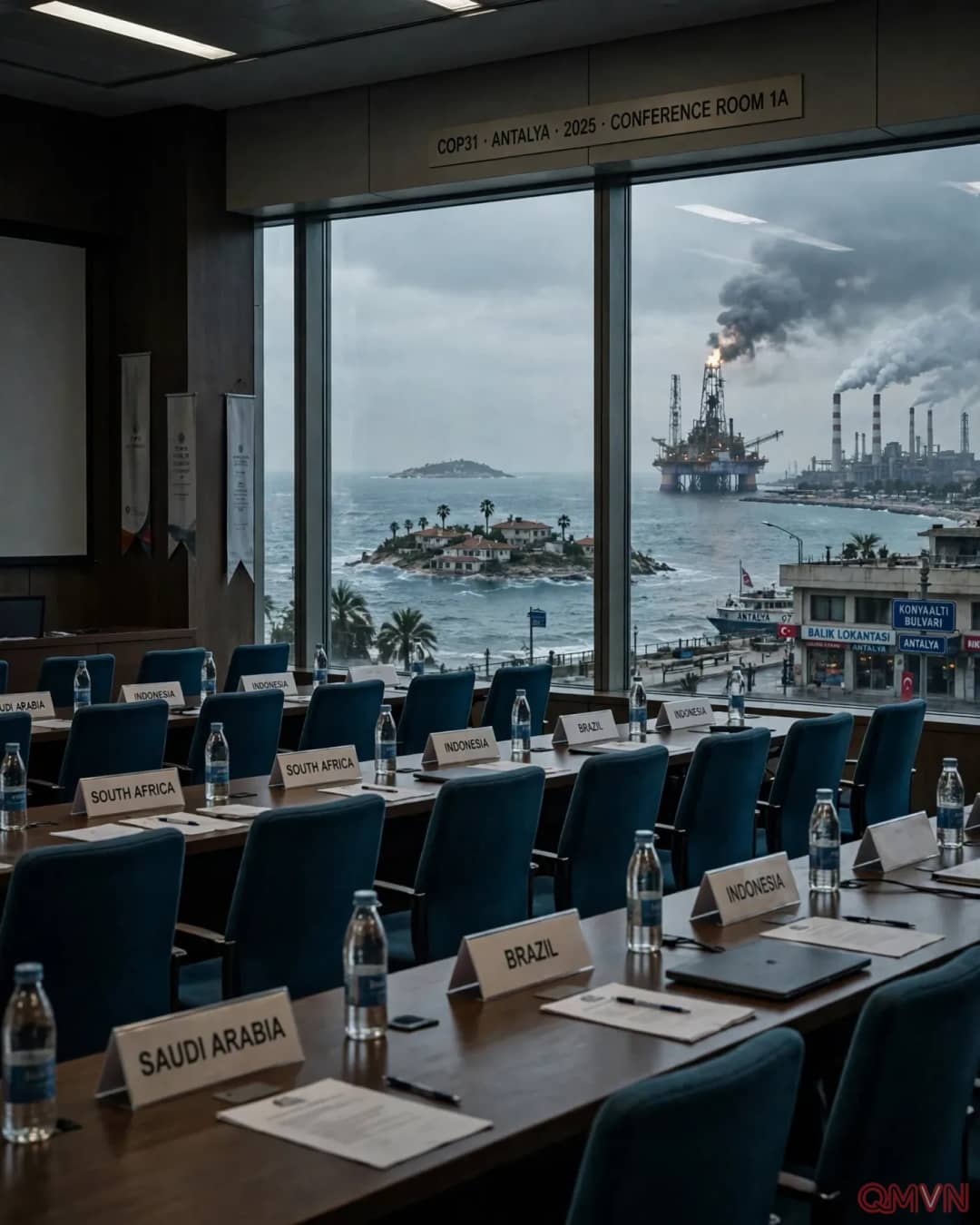
A conference that ended in disappointment
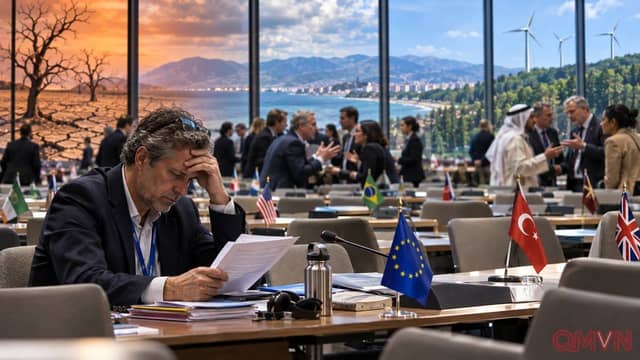
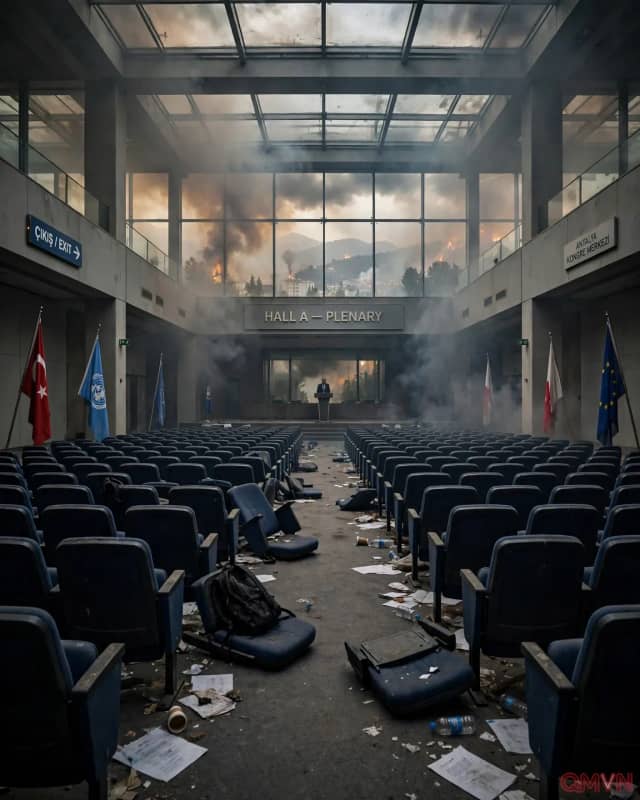
On Sunday afternoon, November 22, as the closing plenary began, COP31 president Murat Kurum said he could see there was no agreement and confirmed he would not advance any new text. It was the end of a conference that ran into record overtime, as many delegates were already leaving Antalya to catch flights.
COP31 began with modest expectations. Turkey was pushing a pledge to boost global electrification and promised to emphasize implementation of past climate deals. But divisions deepened after the presidency released a revised draft cover text that omitted any reference to fossil fuels.
Riyadh’s red lines
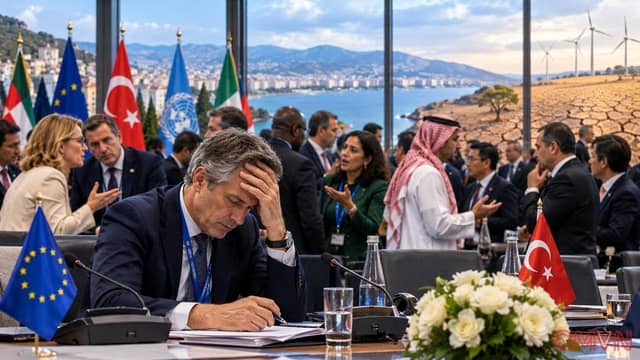
According to delegates and observers, throughout the second week Saudi Arabia kept a fixed position: the text must not mention fossil fuels and should include language boosting carbon capture technologies to reduce their emissions. One Asian delegate said Riyadh framed these positions as non-negotiable, even existential.
Saudi Arabia and fellow members of the Organization of the Petroleum Exporting Countries (OPEC) have long opposed climate language targeting fossil fuels, arguing that they need to remain part of the global energy mix for the foreseeable future. Representatives for Saudi Arabia did not immediately comment on the accusations.