MAIN ARTICLE
How a network bottleneck became a national shutdown
Transportation Secretary Sean Duffy said the problems began at about 3:36 p.m. on November 13, when aging routers became overloaded with data. Failures were not universal, but they were sufficiently widespread for the FAA to suspend departures nationwide. The ground stop was a precaution designed to reduce pressure on air traffic management while specialists assessed and addressed the disruption.
Homeland Security Secretary Markwayne Mullin said officials had found no evidence of a cyberattack. He suggested that newer technology added to an older network might have contributed to the overload. Duffy emphasized the legacy equipment itself. Their different emphases underline why investigators must distinguish an immediate trigger from underlying vulnerabilities before drawing final technical conclusions.
The human cost of uncertainty
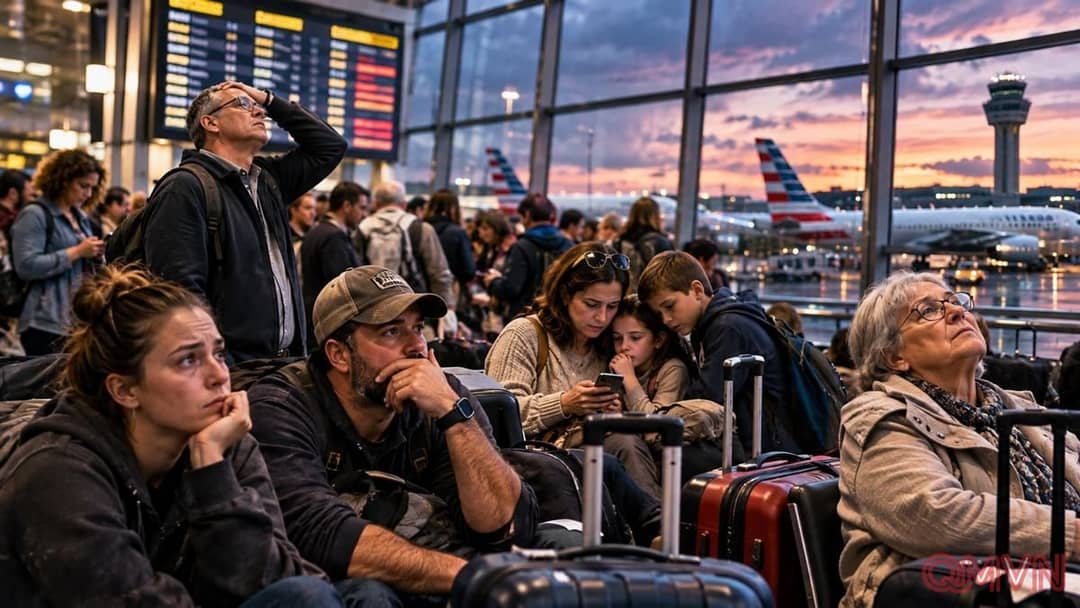
A ground stop lasting several hours can disrupt schedules for far longer. Aircraft end up in the wrong cities, crews approach duty-time limits, gates remain occupied, and connecting passengers miss their onward flights.