MAIN ARTICLE
A close result that hides a larger political impasse
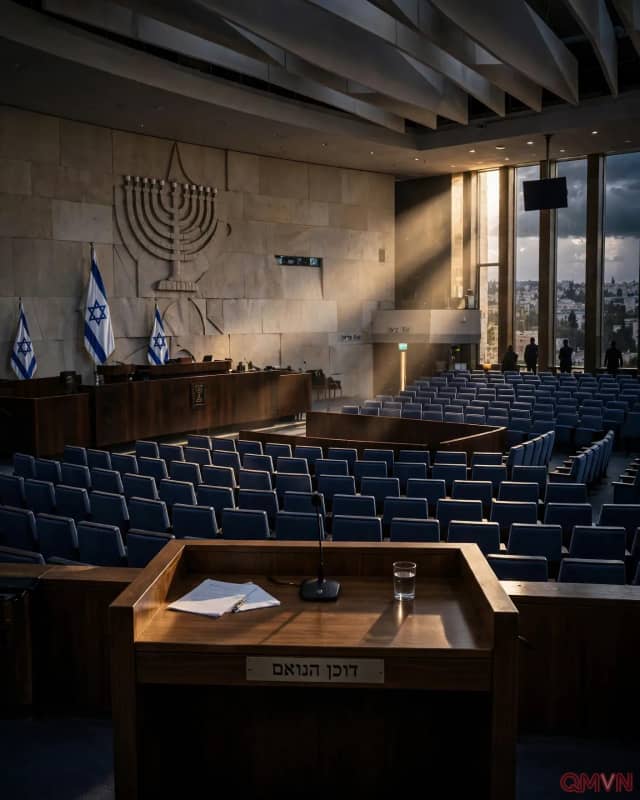
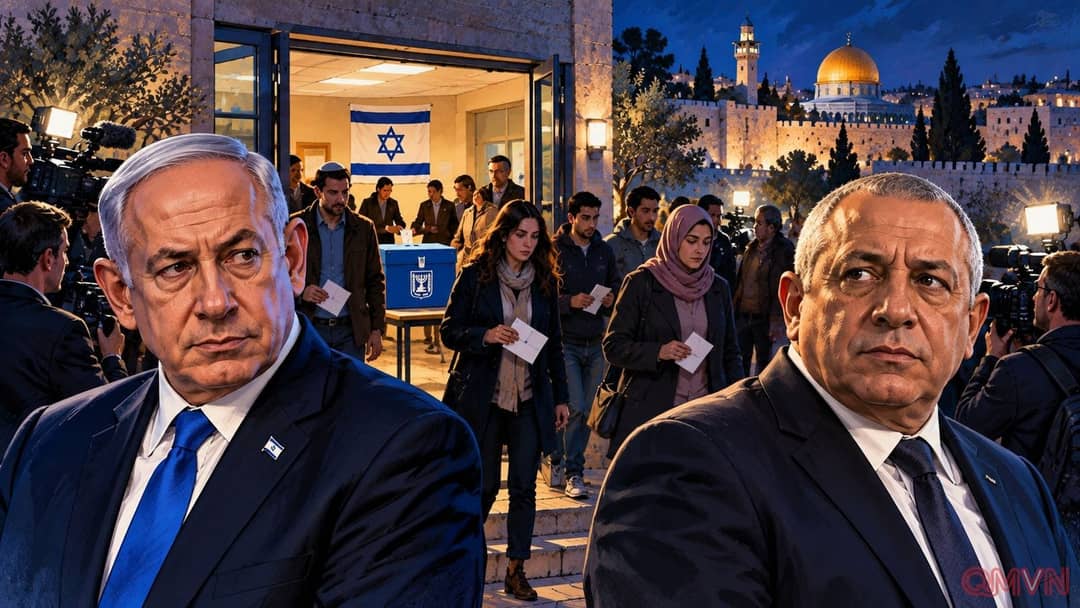
Likud appears poised to remain Israel's largest party according to several television exit polls, with forecasts ranging around 24 to 27 seats. Eisenkot's centrist Yashar follows with approximately 21 to 23. Neither number, however, confers the premiership. In Israel's proportional parliamentary system, governing depends on negotiating a coalition rather than merely finishing first in the party vote. The distance between winning an election-night headline and securing legislative confidence is unusually important this year.
Revised projections from public broadcaster Kan and Channel 13 put Netanyahu's bloc and the principal opposition grouping on 51 seats apiece, with 18 allocated to Arab-led parties. Other broadcasters showed variations, including more favorable outcomes for the prime minister. Official counting is continuing, and narrow margins can change once all ballots are incorporated. Treating one exit poll as a definitive seat allocation would obscure the uncertainty at the heart of this election.
Arab voters reshape the coalition arithmetic
The Joint List and Ra'am are projected to secure around 18 seats between them, a sharp increase in Arab representation compared with the outgoing legislature. Arab citizens account for roughly one-fifth of Israel's population.