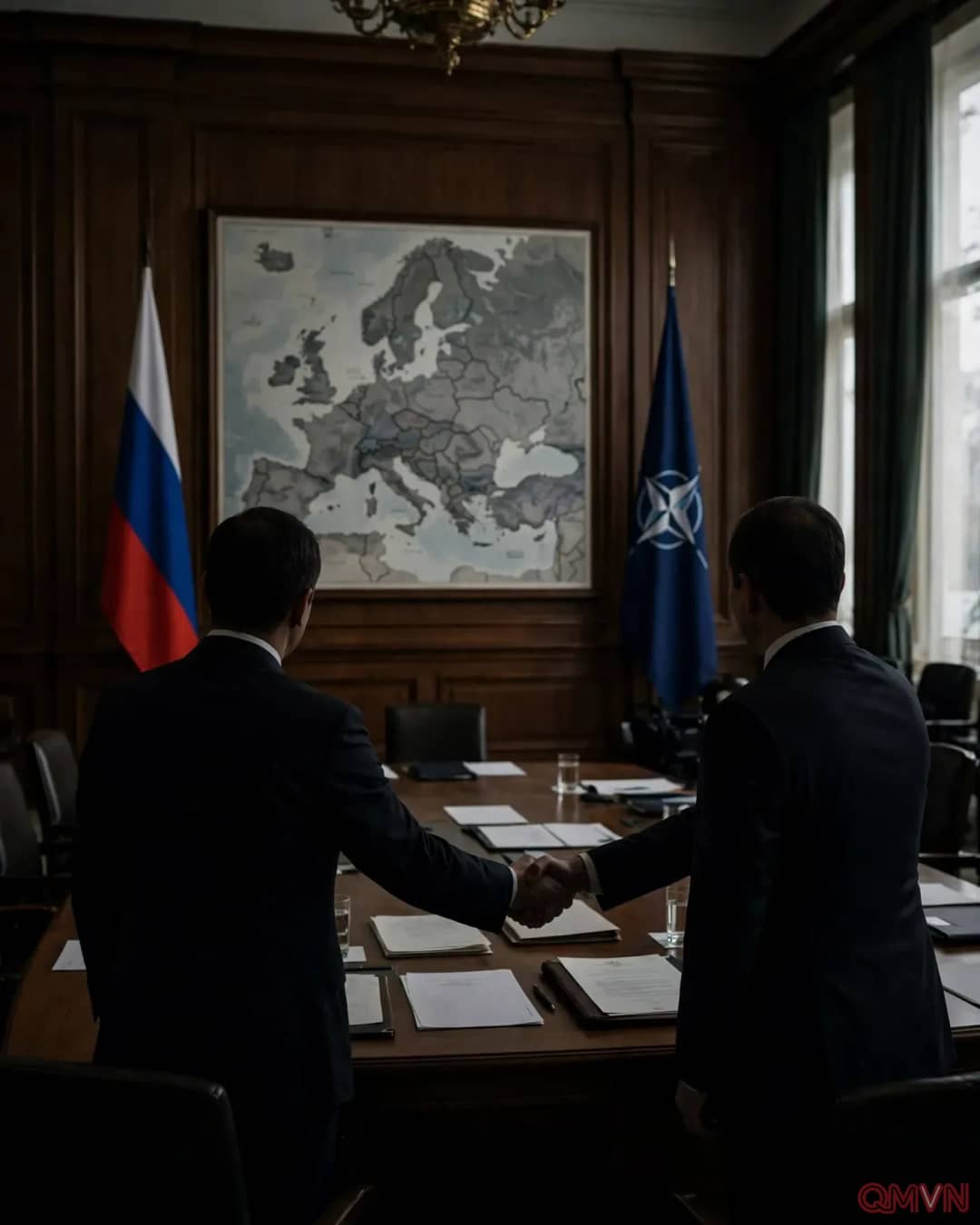
Three models for a new order
Drobinin’s speech was one of the most detailed public outlines yet of how Moscow envisions a post-war security arrangement in Europe. Rather than a single treaty, he presented a menu of options that Russia could offer to different countries depending on their relationship with Moscow.
The proposals range from full military alliances to more limited political commitments, reflecting the patchwork of agreements Russia already has with partners such as Belarus, North Korea and Iran. The options he described are:
- A collective defensive alliance or bilateral mutual-assistance agreements, like Russia’s ties with Belarus and North Korea.
- Political agreements not to help each other’s adversaries in case of aggression, like Moscow’s pact with Iran.
- Bilateral mutual non-aggression pacts, including with individual NATO member states.
- Additional individual security guarantees from Russia for countries that sign such pacts.
An offer aimed at NATO’s members, one by one
The most striking element was the suggestion that Russia could sign separate deals with individual NATO countries. Such agreements, Drobinin said, would provide those states with their own security guarantees from Moscow.