A message of unity and open markets
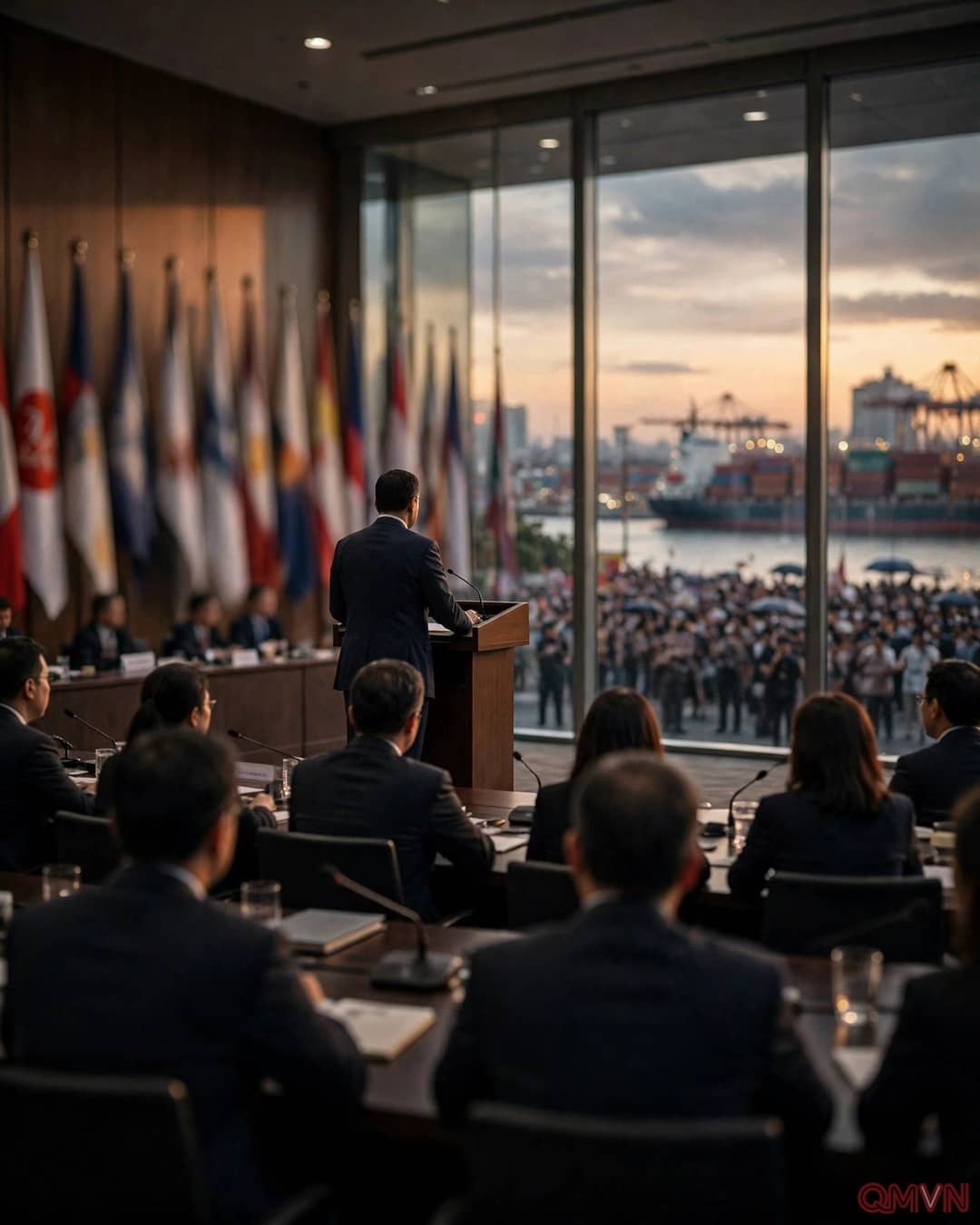
Li framed the past five years as a period of resilience. At a time when tariffs and trade barriers are reshaping global commerce, he argued, the relationship between China and the 11-member bloc has delivered tangible gains, and both sides should continue to make the pie bigger rather than retreat behind walls.
According to a readout from state news agency Xinhua, he also stressed that in a turbulent world it is all the more important for China and ASEAN to stand together and resist outside interference, a phrase widely read as a reference to growing US engagement in the region.
The past five years have been truly extraordinary, and the achievements we scored have not come easily.
Southeast Asia between Beijing and Washington
China is ASEAN's largest trading partner and a key source of investment for a bloc with a combined GDP of more than $3.9 trillion. Yet the region's biggest economies are also keen to deepen ties with the United States, seeking to hedge against trade and diplomatic uncertainty under the Trump administration.
Other partners are courting the bloc too. South Korean President Lee Jae Myung proposed new initiatives on artificial intelligence and creative industries and said talks to expand the Korea-ASEAN free trade agreement were progressing, setting an ambition of $300 billion in annual trade. For ASEAN, the competition for its attention is both an opportunity and a balancing act.
Trump's arrival, protests and the Quad
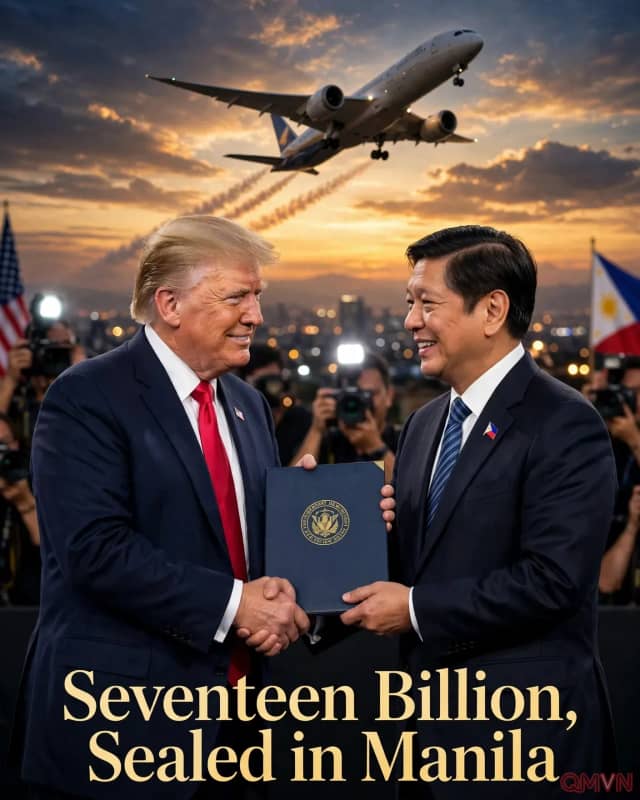
Trump is due in Manila on Tuesday towards the end of the summit. Leftist groups, students and workers have staged four days of demonstrations, burning effigies of the president and demanding an end to the Middle East war and the scrapping of the US-led Pax Silica initiative, and further protests are expected on his arrival.
In the Philippine capital, Trump will meet ASEAN leaders and attend his first meeting of the Quad, the grouping of the United States, Japan, Australia and India, in what will be its first gathering in two years. His predecessor Joe Biden regarded the Quad as a signature achievement. Beijing sees it as an effort to counterbalance China, though members insist it is not aimed at any single country.
Unfinished business in the region
The ASEAN leaders' summit ended on Sunday without concluding the long-negotiated code of conduct with Beijing on the South China Sea, which the Philippines, as chair, had hoped to finalise this year. The disputed waters remain among the most sensitive issues in relations between China and several ASEAN members.
The bloc also decided to keep excluding Myanmar's leaders from its summits, while leaving the door open if sustained and concrete progress is made on the peace plan agreed long ago. In a rare gesture of regional candour, Indonesian President Prabowo Subianto apologised to Singapore and Malaysia for the transboundary haze caused by months of wildfires.
Cautious hopes for denuclearisation
UN Secretary-General Antonio Guterres, who also met ASEAN leaders, repeated calls for a ceasefire in Ukraine and greater humanitarian access in Myanmar. Looking ahead to the planned talks in Shenzhen on Thursday, he said the United Nations was ready to fully engage in any denuclearisation initiative involving the United States, Russia and China.
Trump has said he believes such a deal is possible, and China's Foreign Ministry said the trilateral meeting would promote world peace and stability. Guterres, however, struck a note of caution about the outcome.
This is what we would like to see. It's not yet guaranteed that we will get there.