MAIN CONTENT
A first for American elections
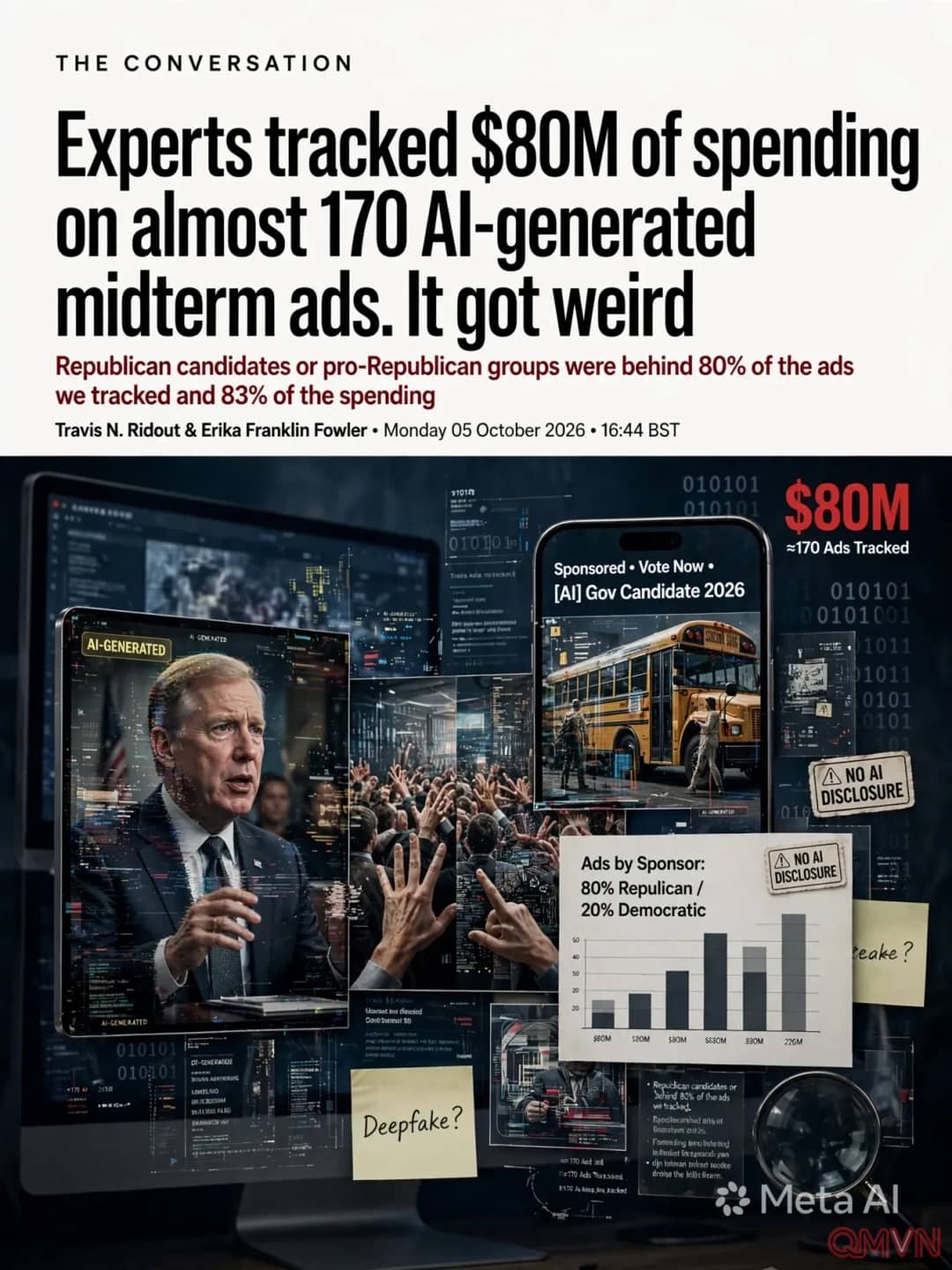
The Wesleyan Media Project has studied political advertising since 2010. This election cycle, using media reports, trained student coders and data from the ad-tracking firm AdImpact, its researchers identified almost 170 unique ads using AI, backed by around 80 million dollars in spending.
The researchers say three findings surprised them: the wide range of ways AI is used, the strong partisan imbalance among sponsors, and the fact that many ads carry no disclosure at all, thanks to a patchwork of state rules.
From deepfakes to subtle edits
Some ads use AI to create entirely fictional scenes. According to the researchers, examples include:
- Hyperrealistic deepfakes of prominent politicians, with Alexandria Ocasio-Cortez appearing in at least five Republican ads.
- Fabricated scenes such as a Louisiana Republican Senate candidate driving a school bus full of undocumented immigrants, or Liz Cheney, Mitt Romney and Mike Pence carrying pitchforks on the White House lawn.
- A fake Anthony Fauci running around a state fair with a giant syringe, and AI-generated crowds and constituents.